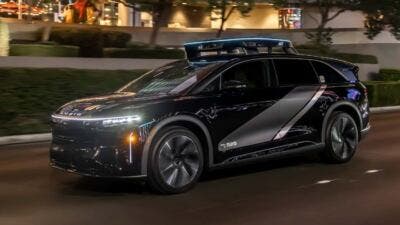
American automakers keep churning out electric vehicles and launching gas-guzzling trucks. But plug-in hybrids, once pitched as the diplomatic solution between combustion loyalty and electric commitment, are vanishing from US showrooms faster than campaign promises after election day.
The concept seemed sensible enough: combine a rechargeable battery with a gasoline engine, letting drivers cover short distances on electric power before switching to fuel for longer trips.
Unlike conventional hybrids, which use small batteries to assist gas engines, plug-in hybrids were designed to reduce fuel consumption without demanding full devotion to an EV. Despite years of promotion, this powertrain is now being phased out across much of the industry, leaving several major automakers without a single plug-in hybrid in their American lineups.
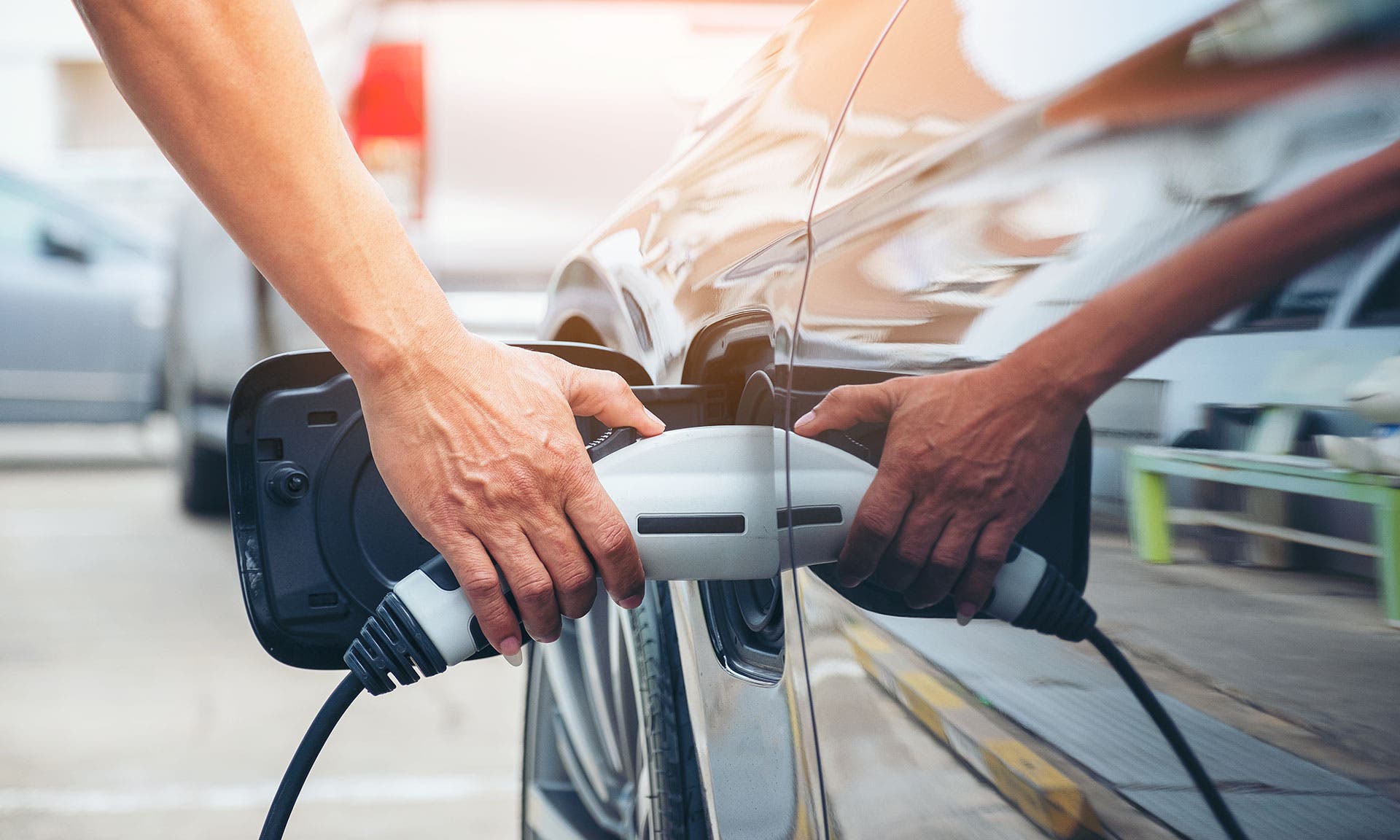
In January, plug-in hybrid sales plummeted 51.8% year-over-year, according to CarGurus data. This happened while mild hybrid sales climbed 12.7%. For months, the average list price of plug-in hybrids kept rising despite falling demand. The average plug-in hybrid price was $70,565 in January 2026, up from $62,079 the previous year. With weakening demand and rising prices, automakers began pulling plug-in hybrid models from their US ranges.
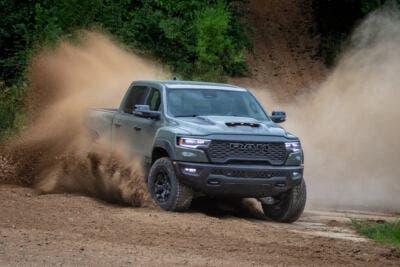
The most dramatic downsizing came from Stellantis. Over the past year, the automaker canceled or discontinued production of several plug-in hybrid models, including the Jeep Grand Cherokee 4xe, Jeep Wrangler 4xe, Chrysler Pacifica Hybrid, Alfa Romeo Tonale Hybrid, and Dodge Hornet R/T. Stellantis told Business Insider it’s focusing instead on “more competitive electrified solutions, including hybrid and extended-range vehicles”.
Ford will discontinue production of the Escape and Lincoln Corsair, including their plug-in hybrid variants, leaving the automaker without plug-in hybrids in its American lineup. Kia stopped US sales of the Niro plug-in hybrid.
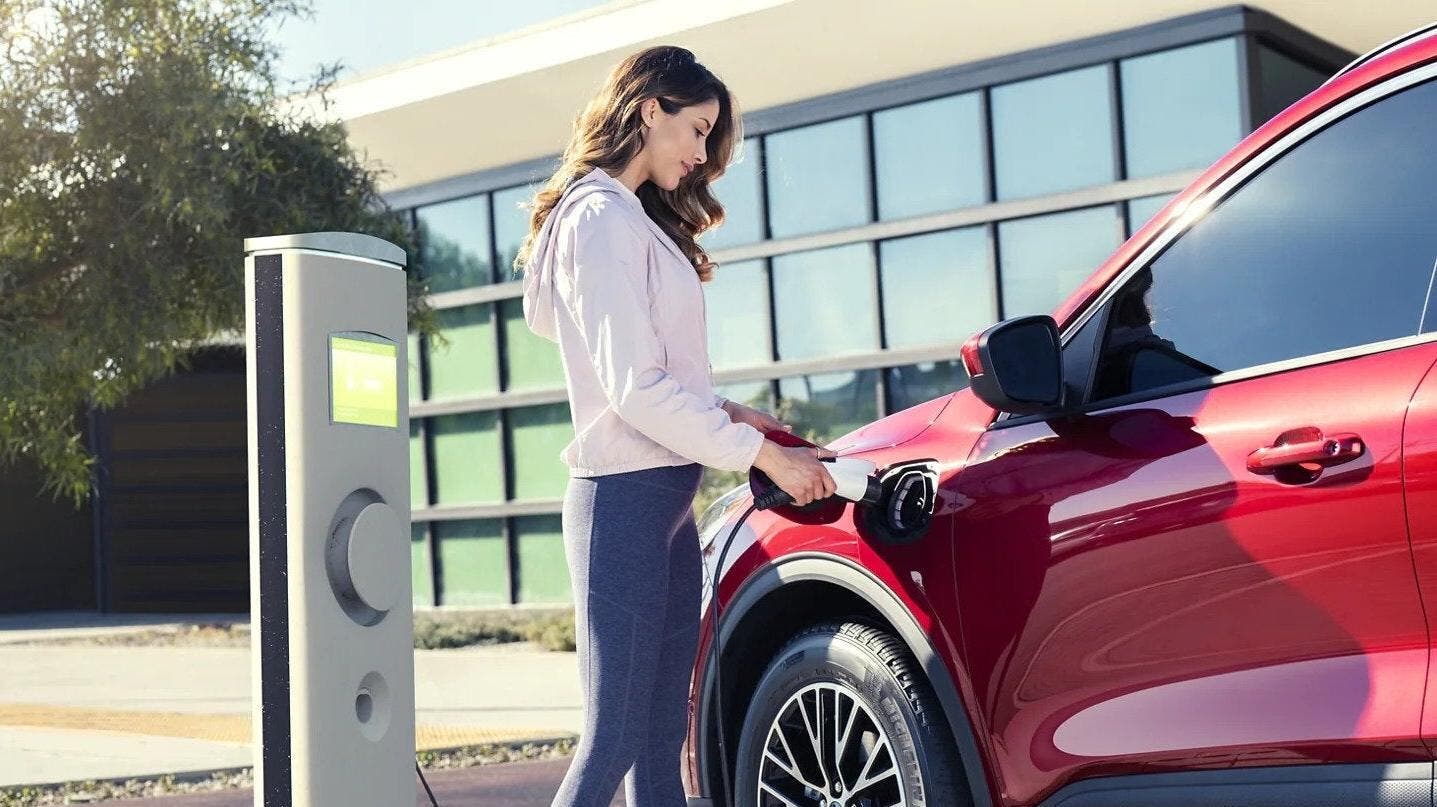
According to CarGurus dealer data, plug-in hybrid availability at US dealerships fell 46.9% over the past year. The retreat comes as American automakers reassess their electric strategies. Detroit’s Big Three have announced losses of tens of billions tied to electrification investments, while Chinese automakers have continued expanding EV and hybrid production and gaining market share abroad.
The shift away from plug-in hybrids stands out because it hasn’t been replicated across other powertrains. Automakers continue producing battery-electric vehicles and conventional hybrids. The other major bet automakers are placing is investing in extended-range electric vehicles (EREVs), which rely primarily on electric motors but house small gas generators capable of recharging batteries while driving.
While Chinese automakers have bet heavily on plug-in and long-range hybrids as a mass bridge to electrification, US automakers appear to be abandoning plug-in hybrids in favor of a more polarized strategy, focusing on simpler hybrids or fully electric vehicles.