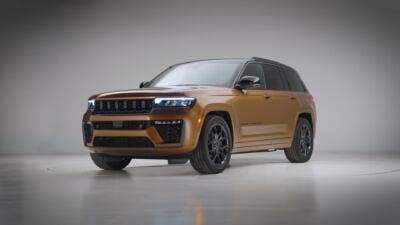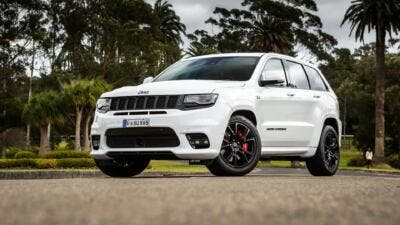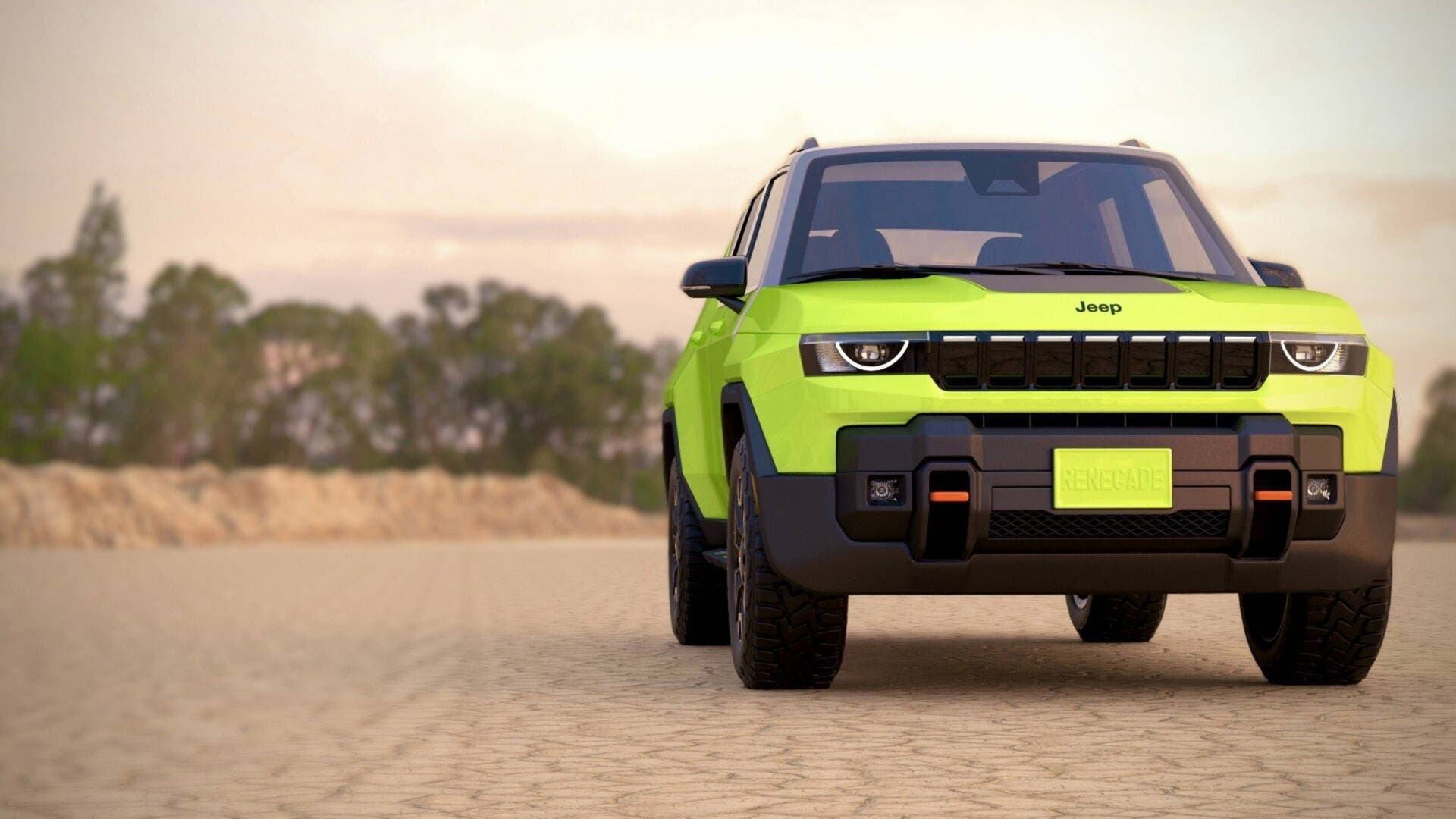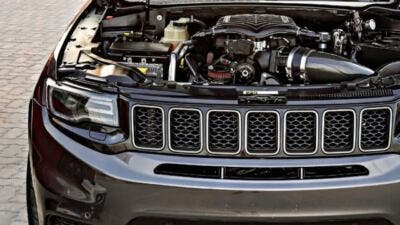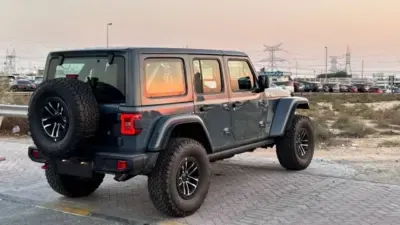
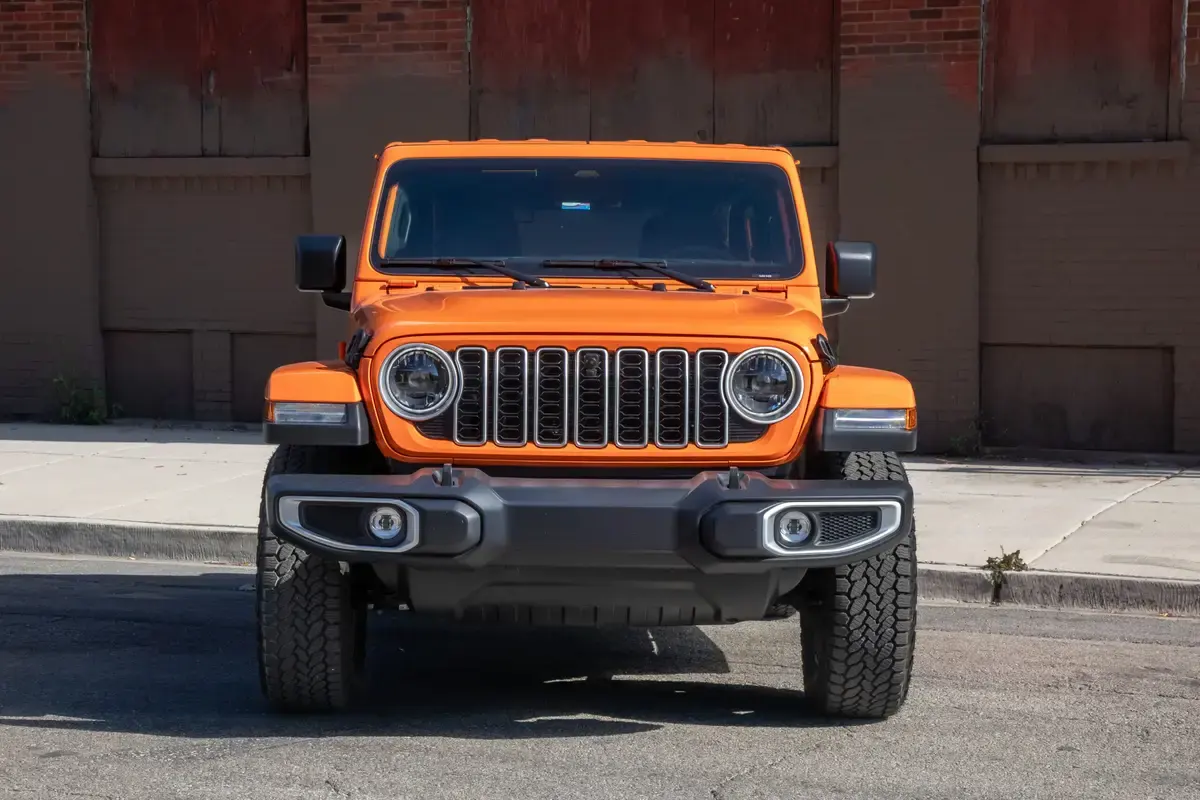
The Jeep Wrangler, a vehicle designed to survive war zones, has finally met an obstacle it can’t climb over. It’s European bureaucracy. The legendary 4×4 has been unceremoniously pulled from the British market, a casualty of the strict GSR2 regulations and the UK’s aggressive ZEV mandate. It turns out that while the Wrangler is great for the soul, its 269 g/km of CO2 emissions are absolute poison for a manufacturer’s fleet average.
Under the current ZEV mandate, a system of carbon math, Stellantis is under immense pressure. For every Wrangler it doesn’t sell, the company effectively “sells” 1.6 electric vehicles in the eyes of regulators. With the EV sales target jumping from 28% to 33% this year, and the Society of Motor Manufacturers and Traders reporting that industry targets were missed for two years straight, the math is brutal. Every internal combustion engine sold over the threshold triggers a staggering £12,000 fine.
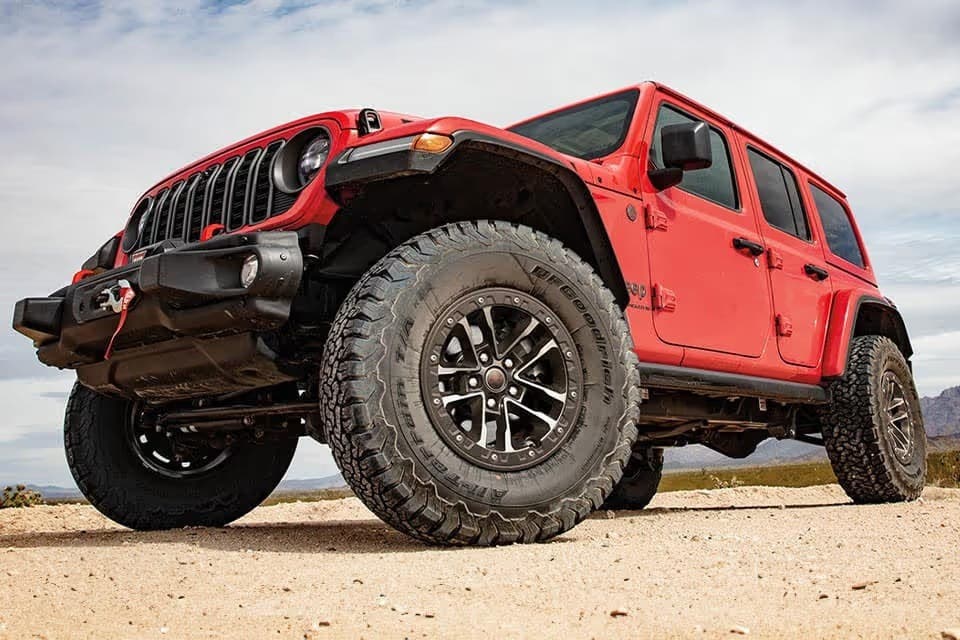
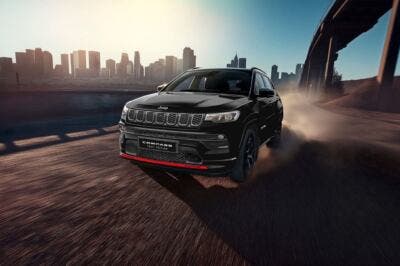
Kris Cholmondeley, Managing Director of Jeep UK, confirmed that production has been suspended because of “regulatory and accountability pressure”. In short, they aren’t building any more this year. While the brand insists the icon will return in an “evolved” form, the immediate future looks a lot more like the Jeep Avenger and Compass.
Cholmondeley noted that while the Wrangler is an “everlasting icon,” a brand can die by being too niche. To survive, Jeep is pivoting to models with “broader appeal” that actually help meet the fleet’s environmental goals.
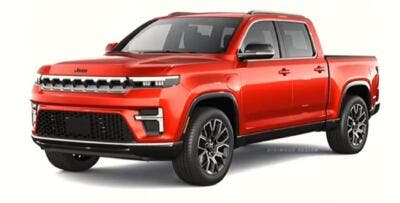
The challenges don’t stop at the tailpipe. The introduction of Euro 7 standards means even tires and brakes are now under the regulatory microscope. Meanwhile, the electric future remains hazy. There’s no firm date for the UK arrival of the Recon (the electric Wrangler sibling), the new Cherokee, or the Wagoneer S, as planning production in America has become increasingly difficult. For now, Jeep is betting its survival on the Avenger and Compass, which cover 50% of the market.