Western automotive purists are currently losing their minds over the unstoppable wave of cheap, high-tech Chinese electric vehicles threatening to colonize global roads. But while everyone is busy panicking about batteries, touchscreens, and software tariffs, the ultimate industrial irony is unfolding three hours north of Shanghai in a small town called Baoying, China. Here, a little-known outfit named Jiangsu Juncheng Vehicle Industry Co. is doing the exact job that legacy brands like Toyota, Ford, and Mercedes simply gave up on decades ago: keeping automotive history alive.
Instead of stamping out forgettable electric commuter pods, this massive facility uses heavy industrial machinery and old-school craftsmanship to manufacture brand-new steel bodies and replacement panels for the world’s most worshiped vintage icons.
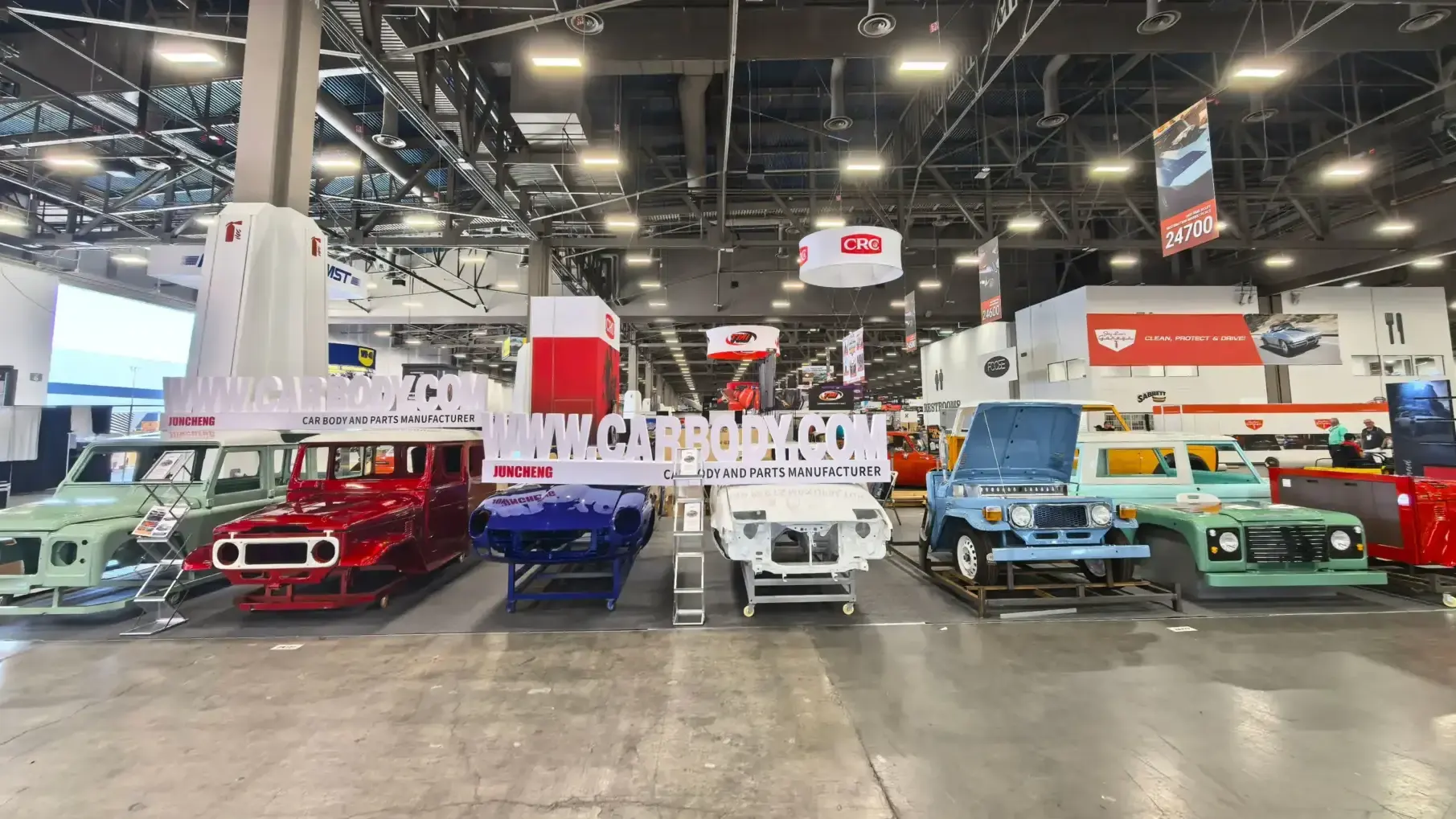
When global giants decide that supporting a forty-year-old sports car hurts their corporate balance sheets, the heritage aftermarket is traditionally left to rot in a sea of rust and overpriced junkyard scraps. The process behind this structural resurrection is a masterful mix of high-tech tooling and human touch. It starts with precision CNC machines carving high-strength steel to form massive stamping molds, which are then meticulously hand-polished and smoothed by experienced artisans. Once finalized, these dies hit the stamping floor to rapidly pump out flawless, rust-free hoods, doors, and even the tiny, intricate internal brackets and fittings required to rebuild a car from the ground up.
This is a high-stakes, highly profitable supply chain serving a booming global market. In fact, a fresh Ford Bronco body stamped right here in Jiangsu recently crossed the Atlantic to become the backbone of a high-end American restomod project that eventually commanded a staggering $400,000 at auction. The ultimate rolling symbol of rugged, red-blooded American freedom owes its structural integrity to Chinese heavy industry. And they aren’t stopping at vintage trucks and the legendary, drift-ready Toyota AE86.
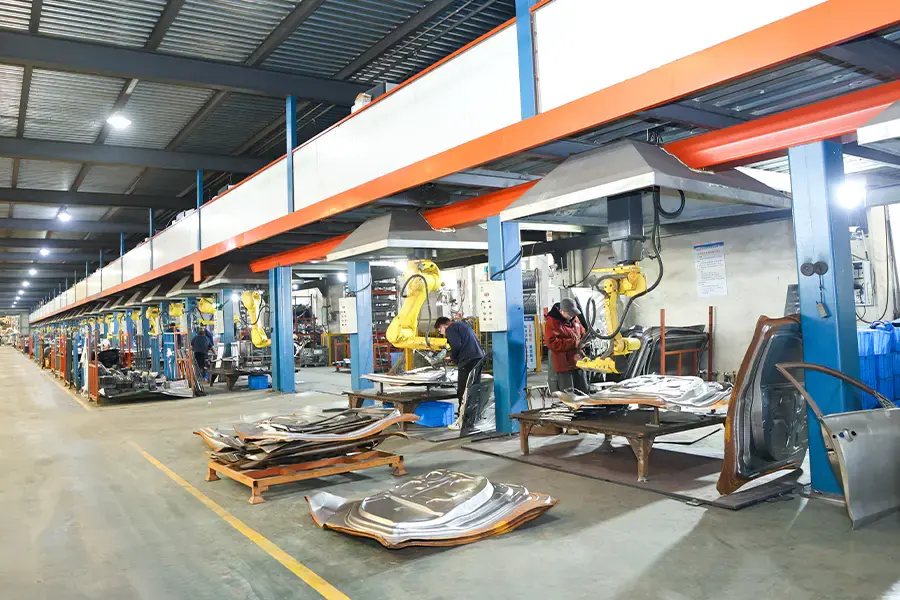
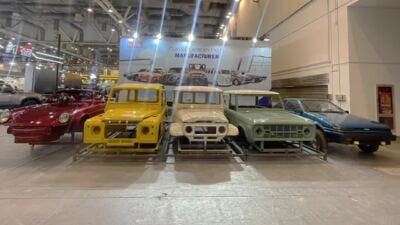
The factory is already expanding its catalog to include the Datsun 240Z, the Toyota Land Cruiser, the iconic 1967 Ford Mustang, and the beloved Porsche 911 (964 generation). Next on the assembly line? Scaffolding and shells for the holy grail of automotive luxury, the Mercedes-Benz 300 SL Gullwing. Toyota may have recently woken up from its corporate slumber to reproduce a handful of heritage components, but it’s a drop in the bucket. The real saviors of classic car culture aren’t wearing suits in Tokyo or Stuttgart.