

Once upon a time, Maserati chased a beautiful Italian dream: selling 50,000 cars a year to become a volume luxury heavyweight. Fast forward to today, and that dream has aged like milk left out in the sun. Thanks to an aging lineup and an electric vehicle strategy that failed to spark any real consumer interest, the Trident’s global sales have plunged with a devastating consistency.
The data for the first half of 2026, monitored by ItalPassion, reveals a remarkably bleak reality: Maserati registered a mere 2,737 units across its major markets, compared to 4,366 during the same period in 2025. This brutal 37% nosedive is no minor speed bump; it is a full-blown structural crisis captured in high definition.
The bleeding is aggressively global. In the United States, traditionally the brand’s favorite cash cow, sales cratered by 46%, dropping to just 876 units. Back home in Italy, the domestic pride took a hit with a 39% plunge, resulting in only 623 cars registered. Japan and Germany offered zero comfort either, retreating by 27% and 28% respectively. Sure, the United Kingdom saw a 49% surge to 255 registrations, and Switzerland ticked up 20%, but celebrating those minor victories is like bragging about finding a dollar after losing your entire wallet.
Former CEO Jean-Philippe Imparato previously dropped the corporate filter, bluntly stating that building 15,000 to 20,000 cars annually is plenty to stay competitive. Volume is officially out; profit margins, perceived quality, and bespoke customization are the new gods.
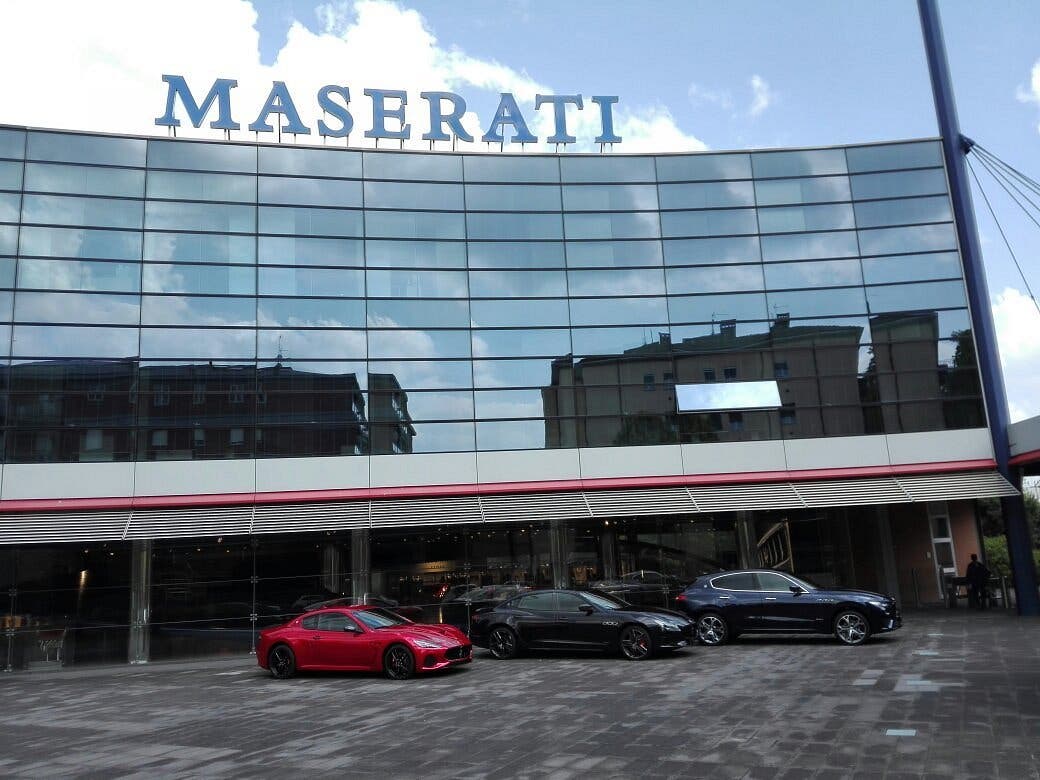
To sweeten the deal, Maserati is dialing up the aesthetic and auditory drama. Future styling will echo the aggressive, track-only DNA of the wild MCXtrema. The GranTurismo, GranCabrio, and MCPura are all getting titanium exhausts. That Nettuno powertrain continues to expand its reach, giving the Grecale variants ranging from 390 to a massive 550 horsepower. Meanwhile, motorsport takes center stage to keep everyone distracted, with the GT2 already burning rubber on the track and a GranTurismo-derived GT4 right on the horizon.
The real hurdle, however, remains the agonizing medium-term timeline. A refreshed Grecale featuring new hybrid options won’t arrive until 2027. Meanwhile, the crucial Levante successor and an all-new Quattroporte completely depend on an unconfirmed industrial partnership that is still being debated. That pushes their potential arrival out to 2029, 2030, or whenever the ink finally dries on the contracts. Until then, Maserati must keep the romance alive with an aging portfolio in a ruthless global market that eats hesitation for breakfast.