For years, European automotive manufacturing has wrapped itself in the cozy blanket of Western heritage and regional pride. Stellantis, however, just checked its corporate spreadsheets, looked at the crushing overhead costs of the old continent, and decided that heritage simply doesn’t pay the bills. Instead of fighting the uphill battle of high domestic production costs, Filosa’s mega-conglomerate is aggressively shifting its industrial gravity toward North Africa, transforming Morocco into its ultimate crown jewel for affordable global exports.
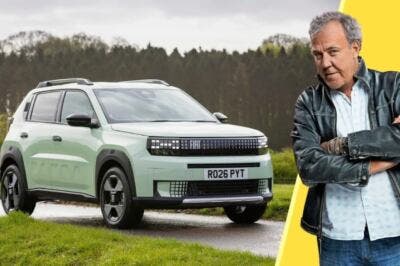
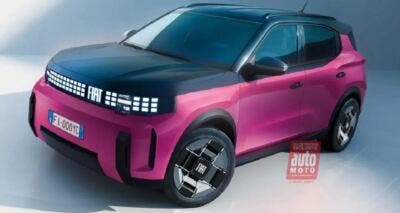
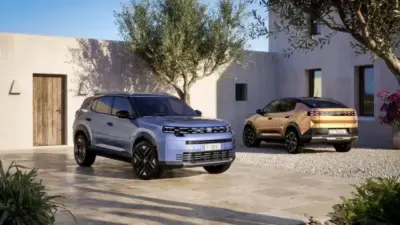
The latest signal of this shift came directly from Citroen CEO Xavier Chardon on LinkedIn, celebrating the launch of the new Moroccan-built C3 tailored for Middle Eastern and North African markets. But the real shockwave for European factory workers is what comes next. Fiat recently pulled back the curtain on the Grizzly and the Fastback, two global C-segment contenders stretching just under 4.5 meters long. In the second half of 2026, these high-riding vehicles will roll off assembly lines in Morocco, destined not just for emerging markets, but for mainstream European showrooms.
Under the skin, the Fiat Grizzly will utilize the highly flexible Smart Car platform, offering a buffet of traditional gas, hybrid, and fully electric powertrains. If that cost-saving architecture sounds familiar, it’s because it is the exact same hardware underpinning the new Grande Panda.
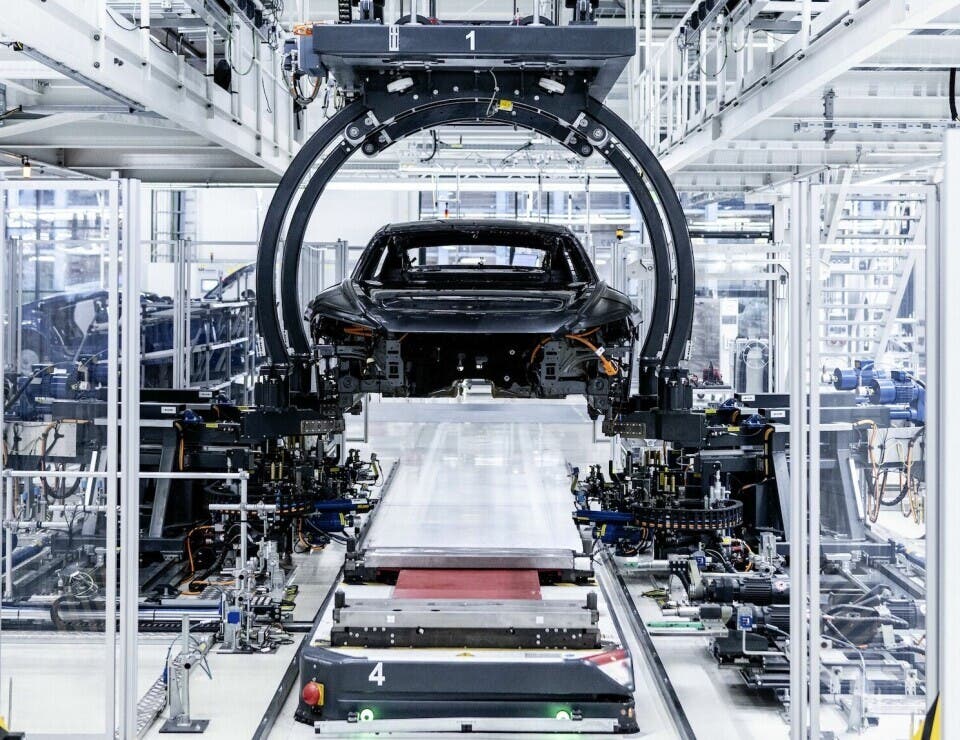
The epicenter of this strategy is the Kenitra plant, which has rapidly evolved into one of Stellantis’s most critical hubs outside of Western Europe. Following a colossal 1.2-billion-euro expansion, the site is weaponizing its capacity to pump out 535,000 vehicles annually while aggressively pushing local component sourcing to 75% by 2030.
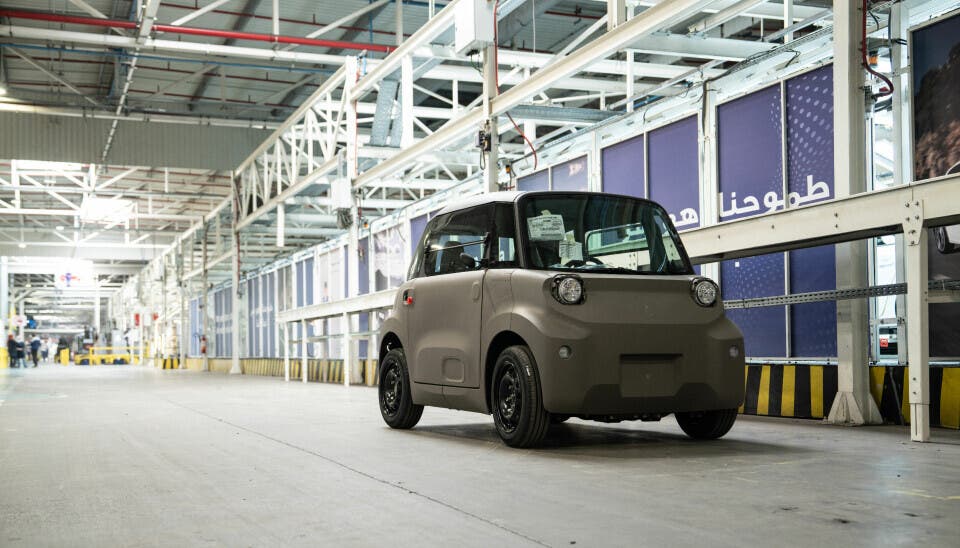
Even the Stellantis’ quirky electric microcar trio, the Citroen Ami, Opel Rocks-e, and Fiat Topolino, will see production skyrocket from 20,000 to 70,000 units a year, alongside a curious new mix of hybrid engines and three-wheeled urban contraptions.
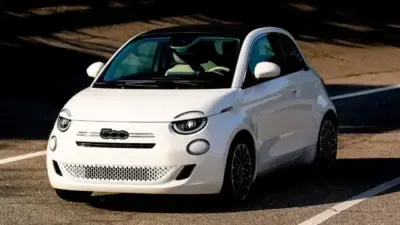
Morocco isn’t the only player eating Europe’s lunch in this regional realignment. Just across the border, Algeria’s Tafraoui plant near Oran is ramping up operations at a breakneck pace. After kicking off production in late 2023 with the Fiat 500 and the Doblò, the site is targeting 90,000 vehicles by 2026 and a whopping 135,000 units by 2028, fostering its own domestic supply chain along the way.
To wrap this entire low-cost ecosystem in a nice bow of modern environmental responsibility, Stellantis even opened its first Sustainera circular economy center in Casablanca to handle auto dismantling and recycling.