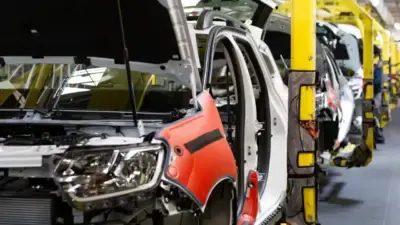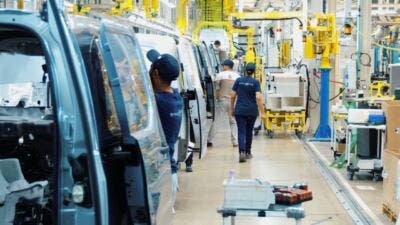
Stellantis is back with its absolute favorite corporate sport, high-stakes semantic gymnastics. On September 7, 2026, Antonio Filosa’s industrial juggernaut is hosting a forum in Algiers, cordially inviting struggling Italian automotive component and technology suppliers to pack their bags.
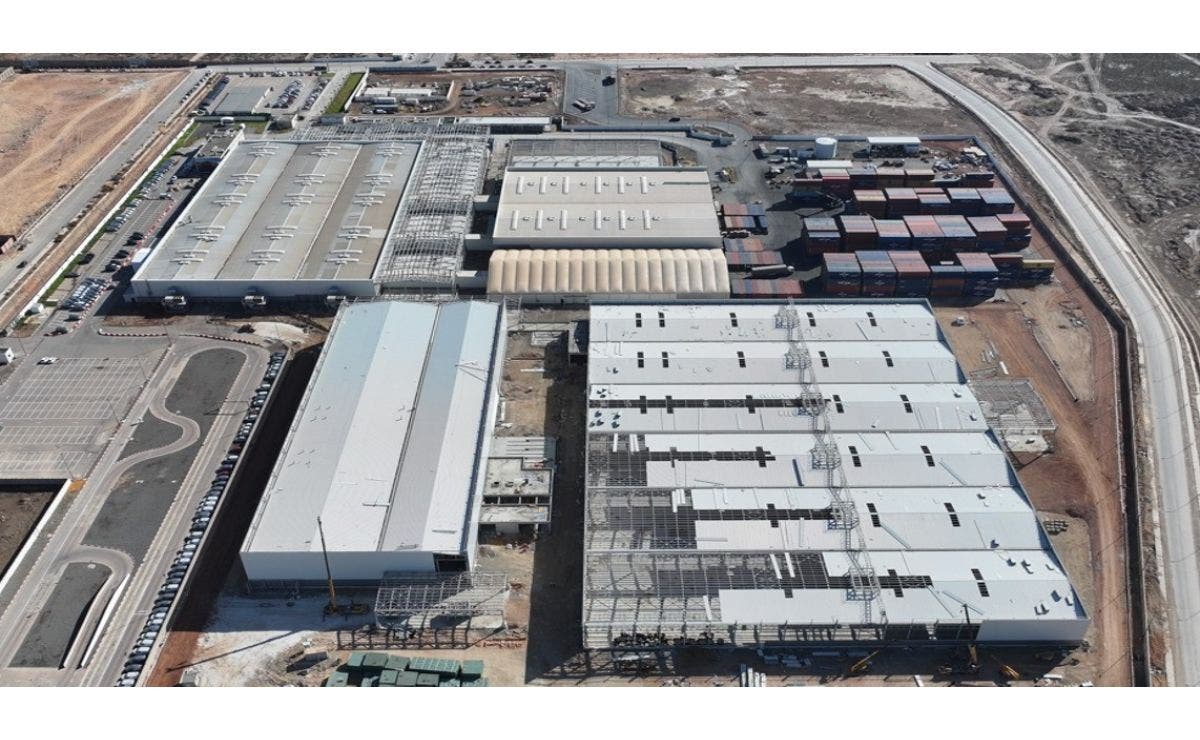
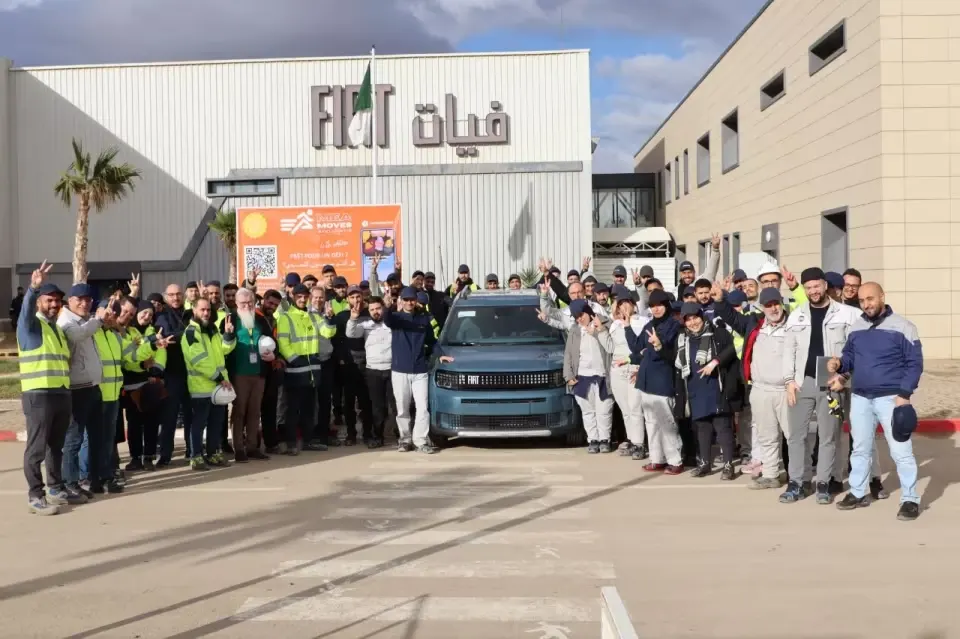
The declared objective is to aggressively beef up the local supply chain feeding the Fiat plant in Tafraoui-Oran. Launched back in December 2023 with a cool 200-million-euro initial investment, the Algerian facility has a growing appetite for parts.
If this entire setup triggers a profound sense of déjà vu, that is because we have seen this movie before. Back in February 2026, Stellantis Algeria had already courted a hundred Piedmontese companies during a gathering in Turin under the watchful eye of the Unione Industriali. The corporate mantra remains wonderfully, stubbornly unchanged: this is definitely not outsourcing; it is merely “producing on the Algerian market for the Algerian market”.
At the absolute center of this North African chess game sits the new Fiat Grande Panda. The vehicle will be pieced together via Completely Knocked Down (CKD) assembly with local part integration kicking off at a modest 20% and aiming to surpass the 30% mark by the end of 2026. While CKD operations are traditionally a stepping stone toward a more mature manufacturing ecosystem, out here it perfectly matches a pragmatic market where affordability, ruggedness, and rock-bottom running costs easily crush any consumer desire for over-engineered high-tech gimmicks.
Stellantis’ production targets are nothing short of fiercely ambitious, aiming to churn out 90,000 vehicles by late 2026. Because the corporate appetite for expansion never sleeps, an April 2026 announcement already paved the way to boost the site’s capacity to 135,000 units annually by 2028, complete with brand-new stamping and assembly lines.
For Italian suppliers, this upcoming Algiers forum undeniably opens up concrete opportunities in automation, logistics, and specialized components. The real kicker, however, is the bleak context in which this invitation arrives. Asking cash-strapped domestic suppliers to fund an overseas manufacturing adventure feels a bit like asking someone on the absolute brink of bankruptcy to co-sign a luxury mortgage. Naturally, the industry is looking at the invitation with a heavy dose of skepticism. The line separating genuine internationalization from pure, unadulterated offshoring is incredibly thin.