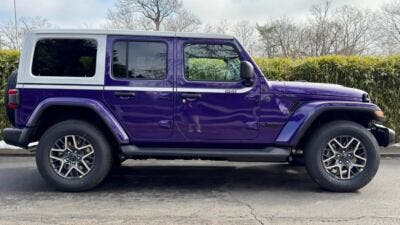
Stellantis engineers at FCA US have filed a patent that suggests the future Jeep Recon might hide its recovery system where nobody would think to look. Tucked under the hood, invisible from the outside, with just a small cable slot punched into the front fascia. Clean, protected, and quietly brilliant, assuming it ever makes it off the drawing board.
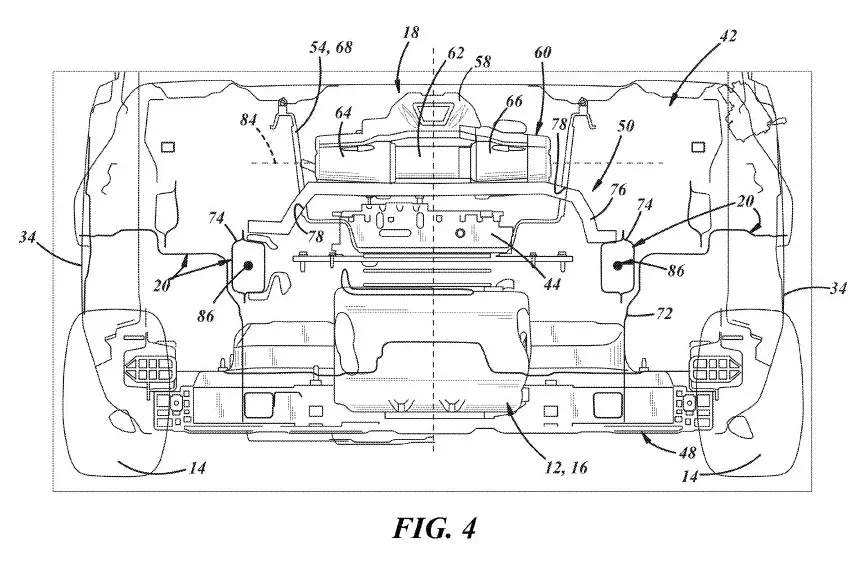
The concept is clever. Instead of strapping a traditional winch to the front bumper and exposing it to every rock, mud pit, and rainstorm a trail can throw at it, the integrated system anchors to reinforced structural rails or frame members inside the engine bay.
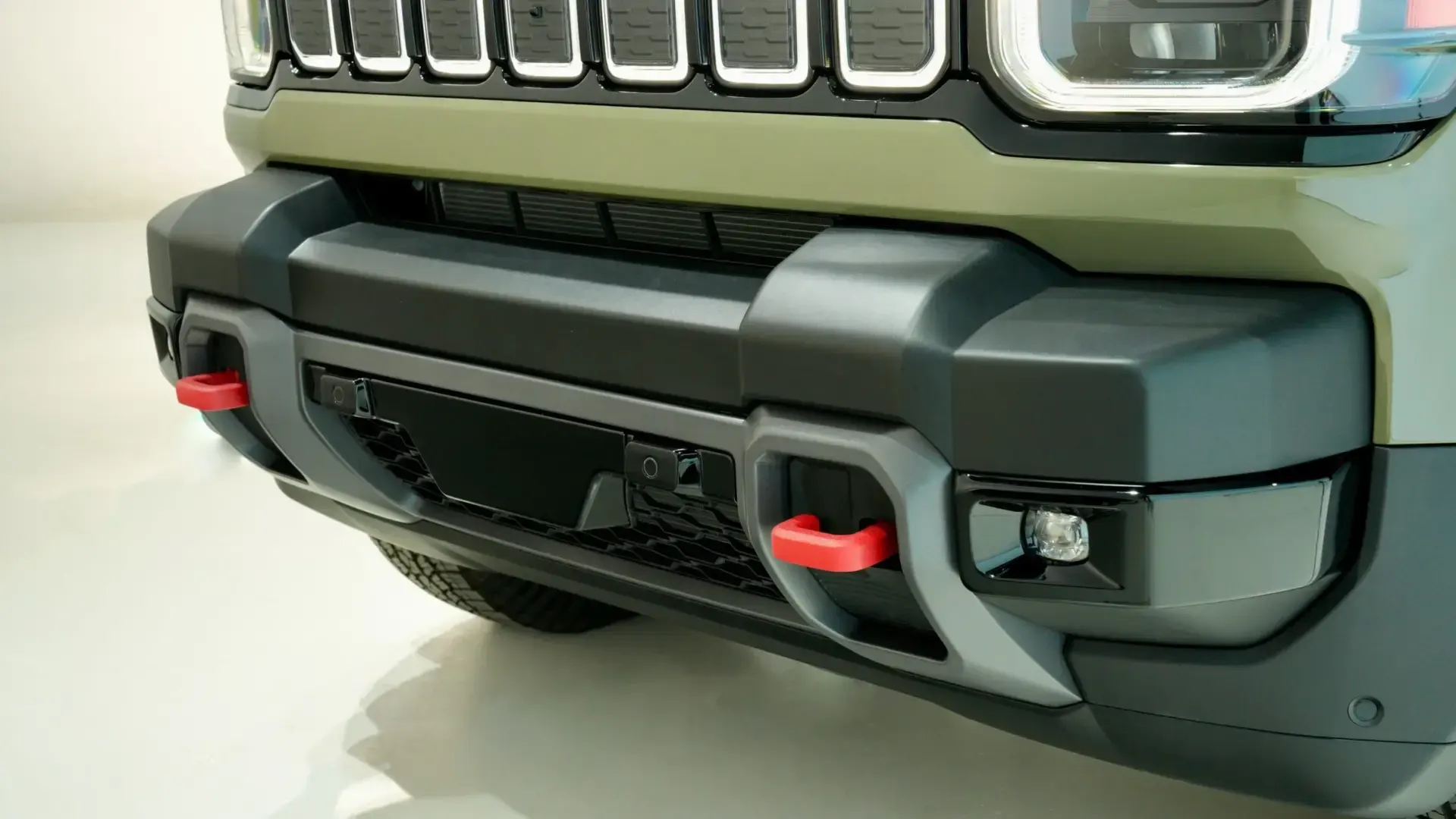
On an electric vehicle, that space is a gift, no combustion engine, no serpentine belt, no forest of accessories fighting for real estate. The frunk that most EV buyers use to store their charging cables finally has a more interesting job application.
The cable routes through a dedicated guide channel and exits through a front opening, keeping the drum and mechanical components sealed and shielded. The structural mount is designed to handle serious traction loads. A rear-mounted variant is also referenced in the documentation, which would open up more flexible recovery scenarios, though the packaging tradeoffs get messier back there.
Protecting the winch from constant exposure to water, salt, and debris could meaningfully extend its service life. Eliminating a protruding front-mounted unit also reduces aerodynamic drag. A detail that sounds minor until you remember that on a battery electric vehicle, every watt lost to air resistance is a watt not moving you down the trail or back to the trailhead.
This all matters because Jeep has positioned the Recon as a legitimate Trail Rated electric off-roader. Trail Rated means real standards: traction, ground clearance, water fording, maneuverability, articulation. A factory-integrated recovery system would send a clear message that electrification is being used to solve problems.
The caveat, obligatory but necessary: patents are not promises. Automakers file them constantly to lock down ideas, explore directions, and keep competitors guessing. This one may never see production. But the direction it points is exactly right.