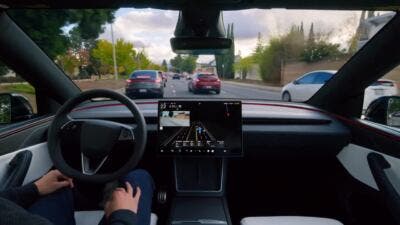
It took years of stubborn denial and billions in collected Full Self-Driving (FSD) fees, but Elon Musk finally said the quiet part out loud. Hardware 3 (HW3) is a dead end. During Tesla’s Q1 2026 earnings call, the CEO officially confirmed that the HW3 computer, which was sold to millions as “everything needed for autonomy”, simply lacks the “brainpower” for unsupervised self-driving. It’s a bitter pill for those who shelled out up to $15,000 based on a promise that has now officially hit a hardware wall. But Elon has a new shiny toy to sell you.
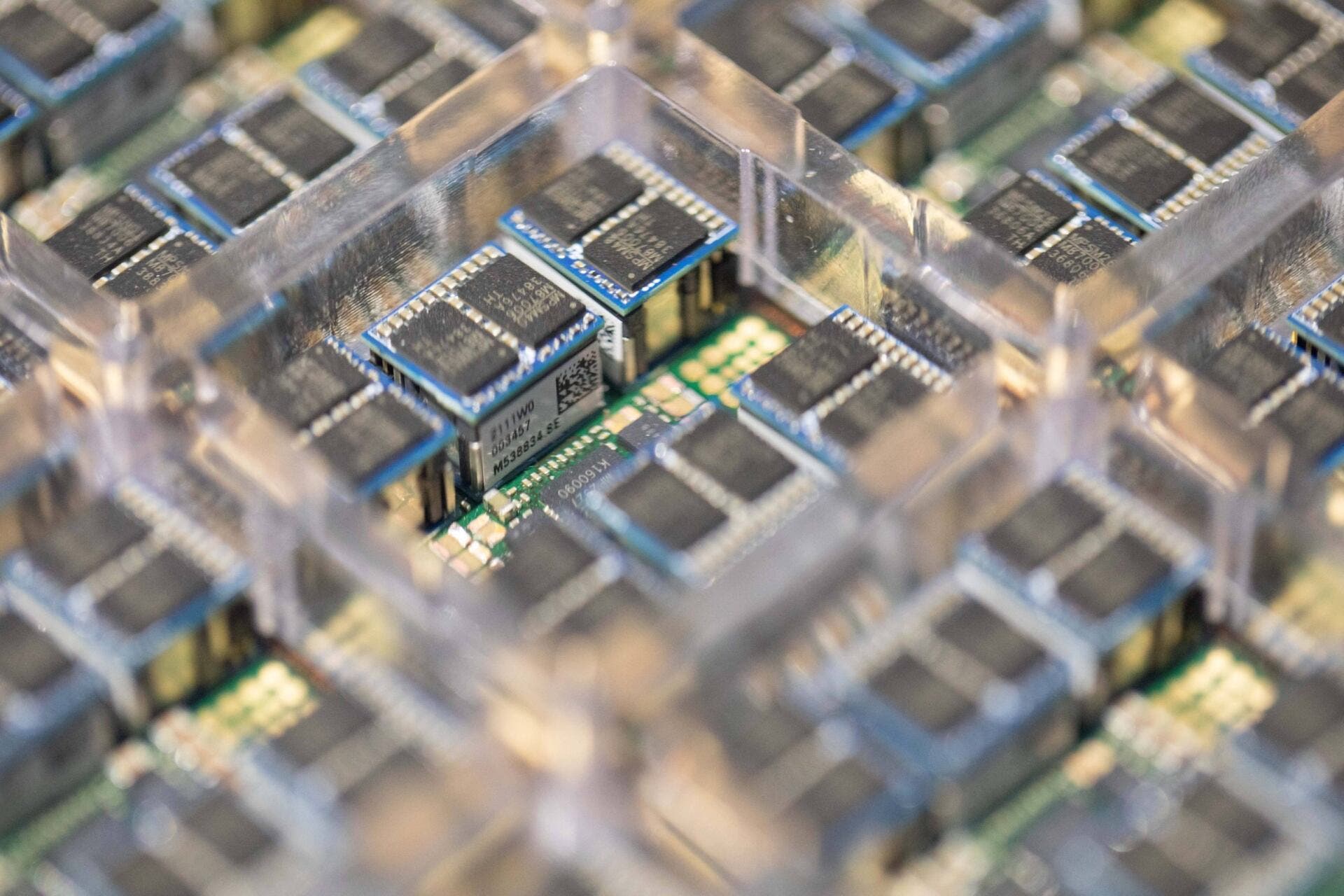
Enter AI4.1 or AI4 Plus. While the next-gen AI5 chip is being diverted to power Optimus robots and massive data centers, Tesla is frantically patching up its current automotive silicon. The upcoming AI4 Plus upgrade, slated for 2027 production pending Samsung’s approval, aims to double the RAM from 16GB to 32GB per chip, bringing the system total to a beefy 64GB.
Musk claims this will offer a 10% boost in processing power and memory bandwidth. However, for owners of the current AI4, which Tesla still insists is “sufficient” for autonomy, this smells like an expensive case of déjà vu.
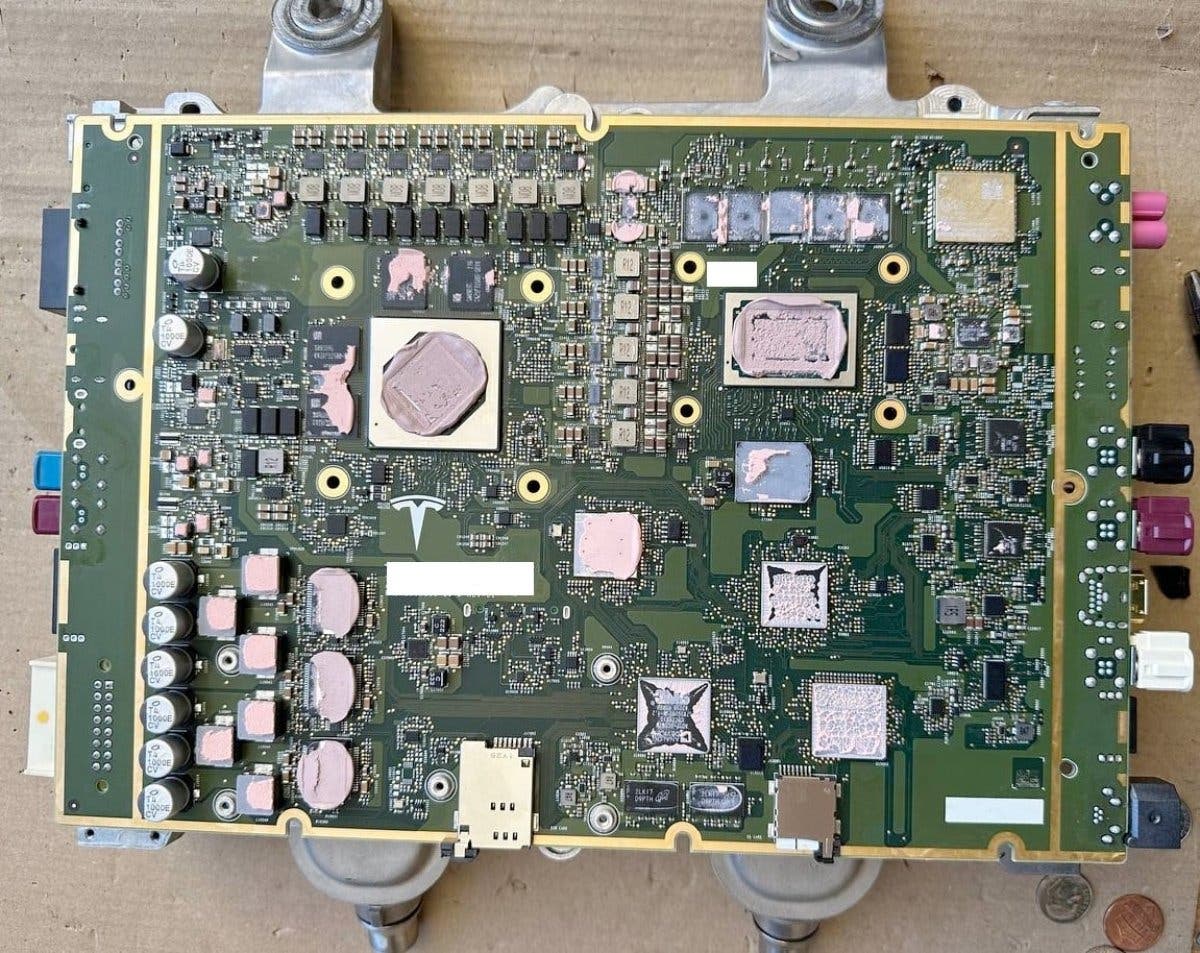
The industry pattern is becoming impossible to ignore. We’ve already seen a “silent” rollout of AI4.5 in the 2026 Model Y, featuring a mysterious three-chip architecture that Tesla never bothered to announce. By the time AI4 Plus arrives, we’ll have seen three hardware revisions in just two years.
Currently, AI4’s 384 GB/s bandwidth using GDDR6 is impressive, even outclassing NVIDIA’s Orin and Thor. But its 32GB total capacity is a glaring weakness when compared to the 64GB found in rival systems. As neural networks grow more bloated and complex, that 32GB limit looks less like a “safety margin” and more like a ticking time bomb.
Tesla is now floating the idea of “micro-factories” to retrofit 4 million HW3 vehicles, a logistical nightmare and a staggering admission of a failed promise. As the AI4 Plus looms on the horizon, one has to wonder if today’s Tesla buyers are just the next generation of “beta testers” waiting for their own micro-factory invite in 2029.