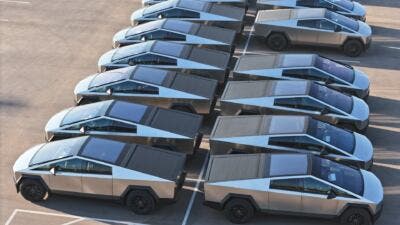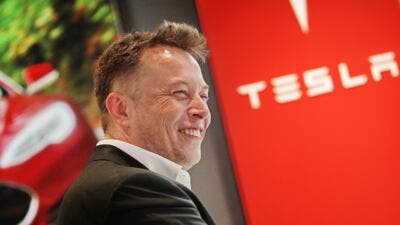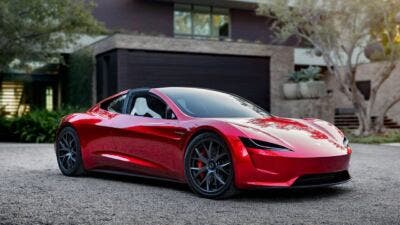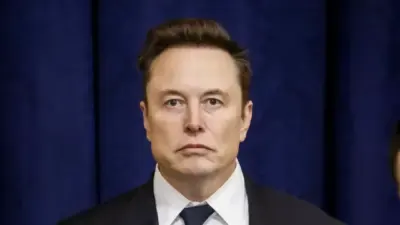
Twenty-five billion dollars. For Elon Musk, it’s the price of admission to his latest fever dream. Tesla has officially jacked up its 2026 capital expenditure forecast to $25 billion, a massive leap from the $20 billion projected in January and nearly triple what they spent in 2025. It’s a bold move for a company that, while beating Q1 expectations with $22.39 billion in revenue, is watching its profit margins thin out like a cheap set of tires.
Musk’s strategy is no longer about just selling cars. It’s about “Physical AI”. We’re talking about massive investments in AI training infrastructure, custom chip design, and the Terafab. A wafer facility that Musk claims will rival the global output of TSMC, though it currently has the construction timeline of a cathedral in the Middle Ages (don’t expect anything before 2029).
Meanwhile, CFO Vaibhav Taneja has already warned that the current $44.7 billion cash pile is going to start shrinking fast, with negative free cash flow looming for the rest of the year.
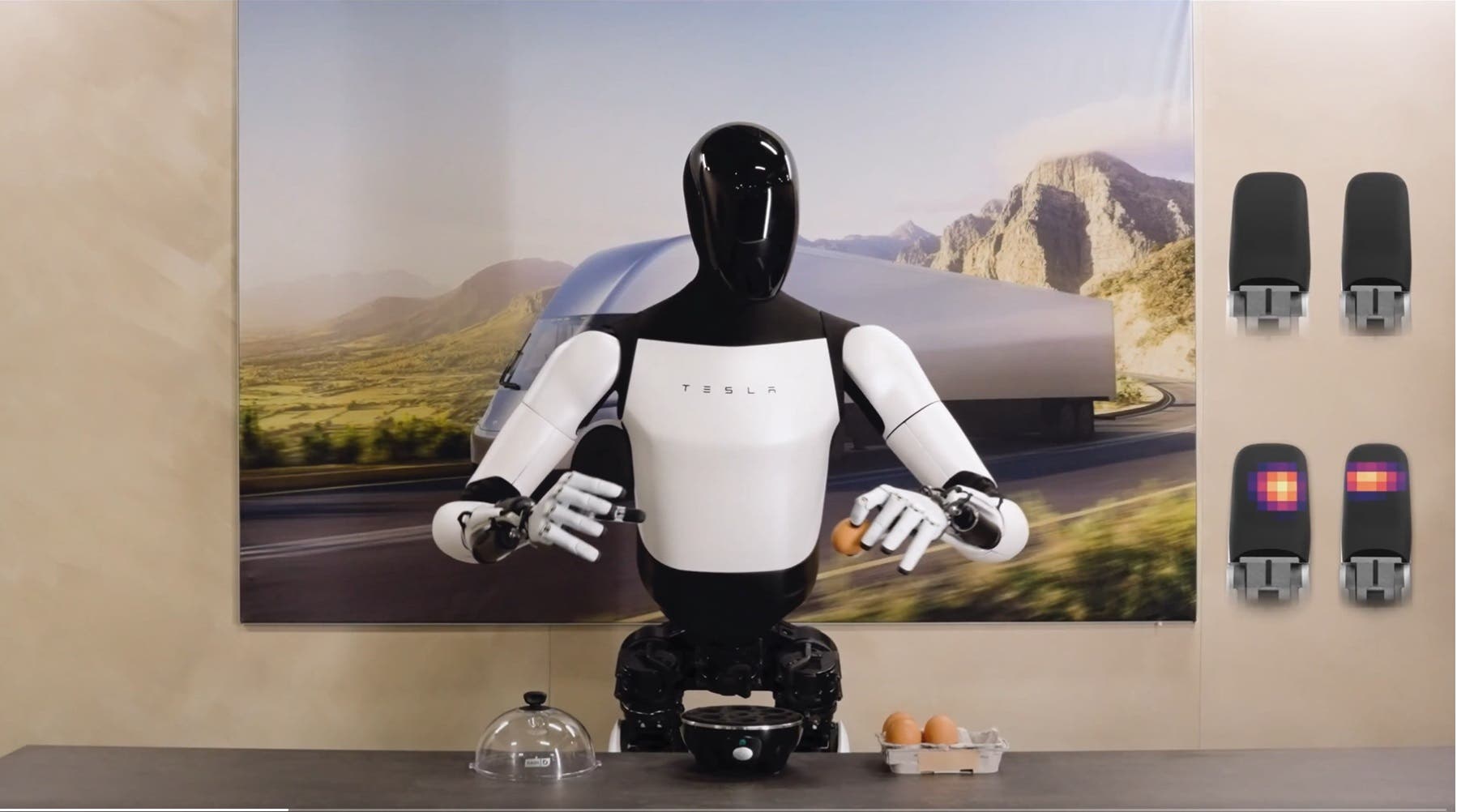
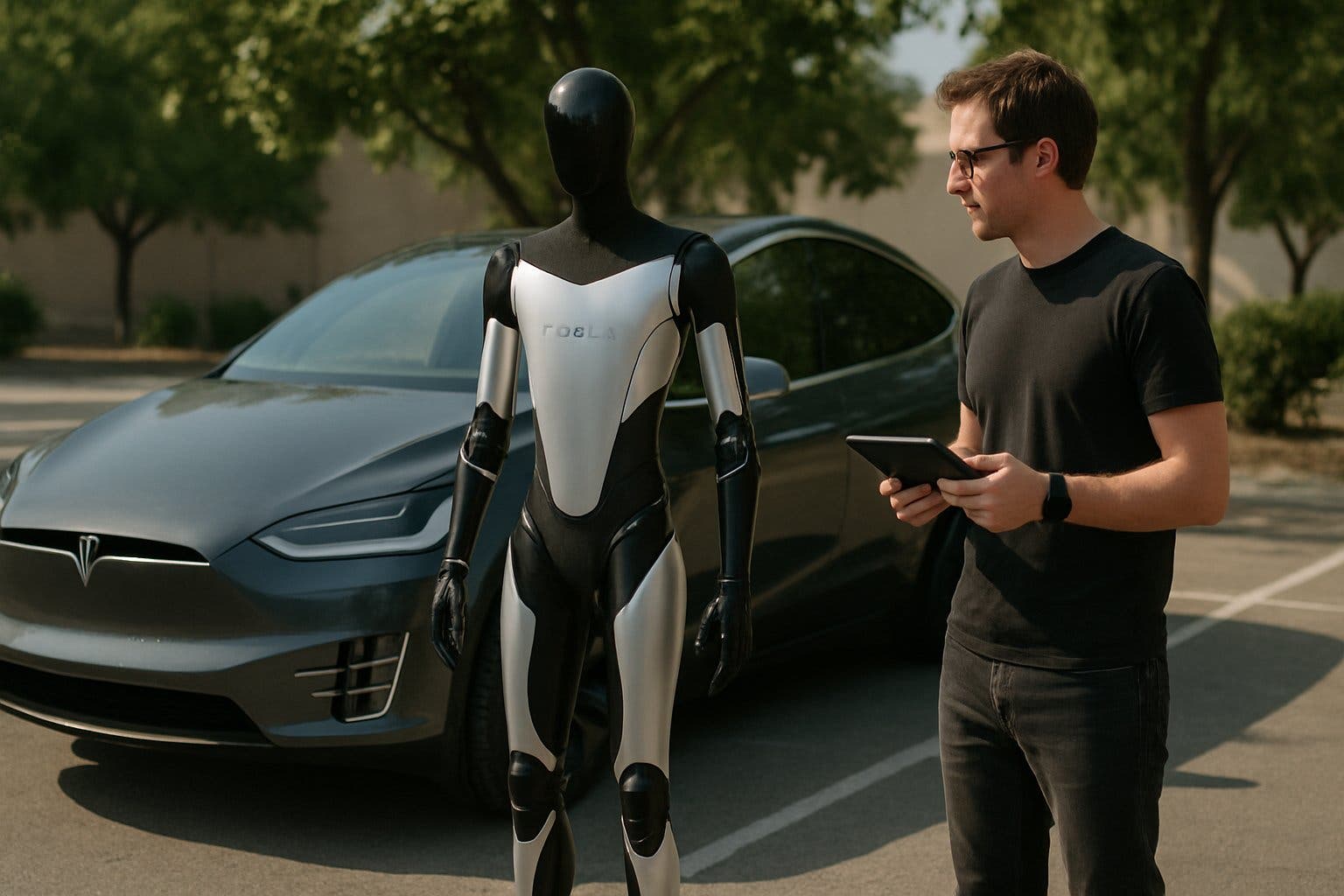
While Musk compares his spending to the giants like Amazon and Google, those companies actually have the revenue to back up $200 billion budgets. Tesla, on the other hand, is shifting production at its Fremont plant away from the Model S and X to build Optimus, a robot that Musk envisions selling 10 million units a year. For context, that’s more than their entire automotive history combined. It’s a classic Musk-ism: promise the moon while the Cybercab production ramp-up is described, in Tesla’s own words, as “extremely slow”.
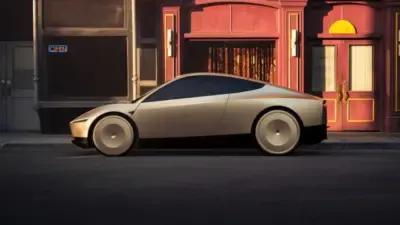
Speaking of the Tesla Cybercab, the “Robotaxi revolution” currently looks more like a village parade. The service recently launched in Dallas and Houston with a grand total of two vehicles per city. It’s a symbolic gesture at best, especially since the regulatory framework for steering-wheel-free cars is virtually non-existent.
Analysts are already whispering about a “merger of necessity” with SpaceX just to keep the lights on. Currently, the only part of the business actually making sense is the energy storage sector. Everything else? It’s a $25 billion bet that the future arrives before the bank account hits zero.