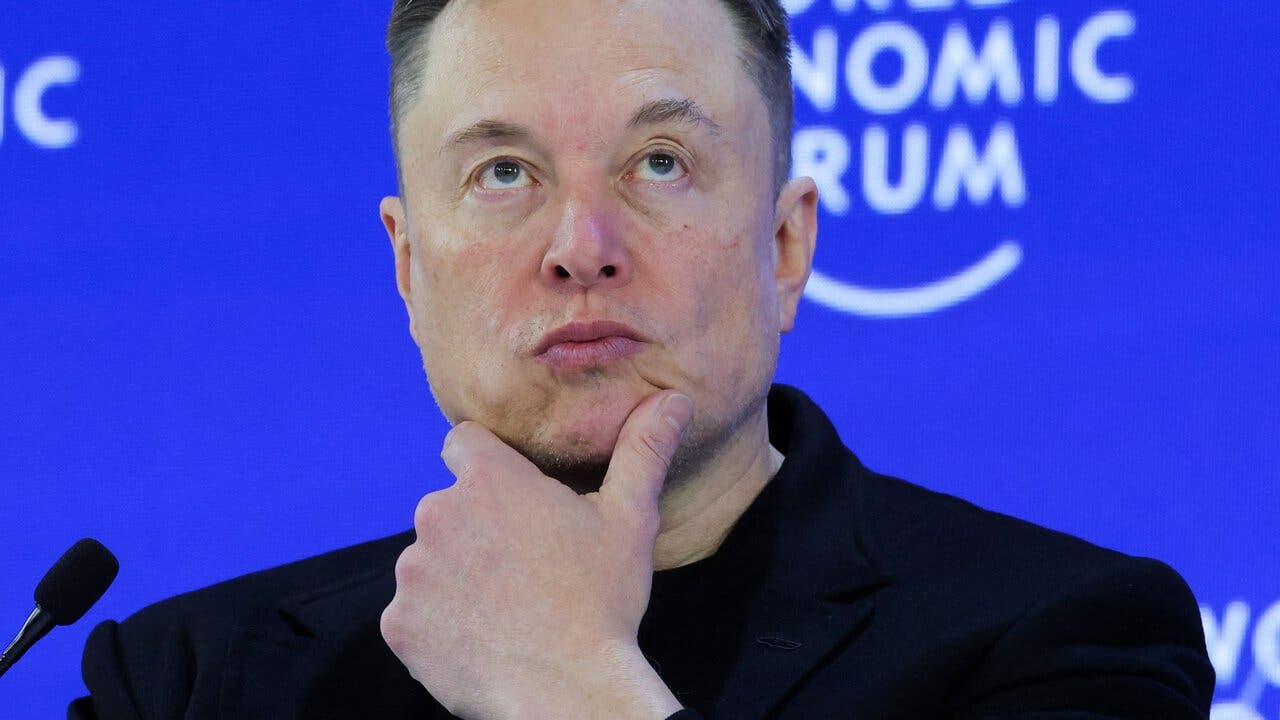
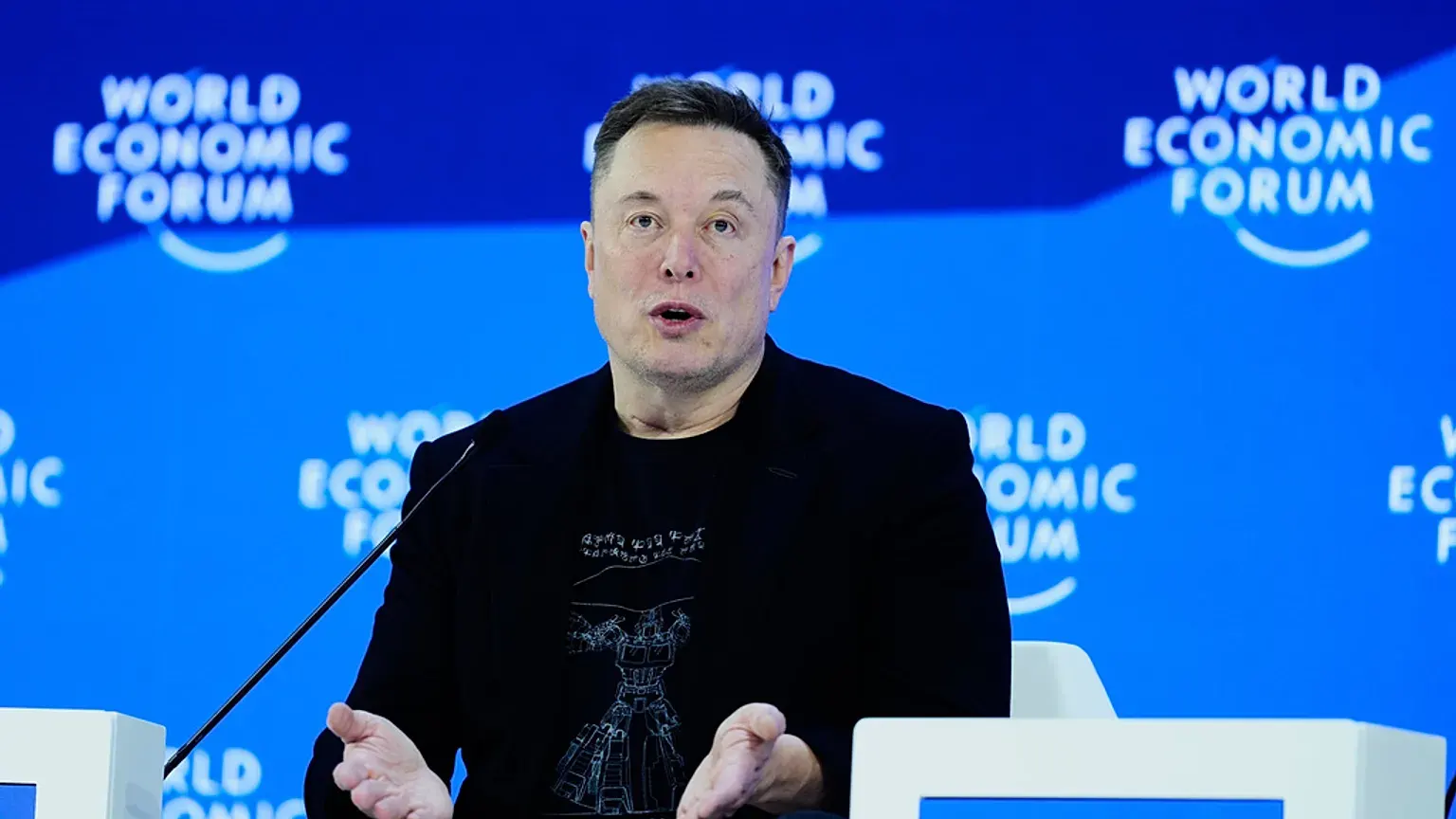
Elon Musk has taken the stage at the World Economic Forum in Davos to drop yet another bombshell. Tesla will officially begin selling its Optimus humanoid robot to the public by the end of 2027. According to the CEO, this timeframe is “real,” though anyone familiar with “Musk Time” knows that his deadlines are often as flexible as a yoga instructor.
Musk claims Optimus will eventually handle “virtually any human task”, potentially revolutionizing both domestic chores and industrial labor. However, the fine print is doing a lot of heavy lifting. The Tesla chief specified that sales will only commence once the company is “fully confident in reliability, safety, and range of functionality”. A convenient escape hatch that makes the 2027 deadline decidedly elastic.
While Musk asserts that some Optimus units are already performing simple tasks within Tesla factories, skeptical observers are still waiting for concrete evidence. After all, previous public demonstrations faced backlash when it was revealed that human operators were partially remote-controlling the “autonomous” bots.
Despite the skepticism and the recent departure of the Optimus project lead, Milan Kovac, Wall Street remains intoxicated by the vision. Tesla stock rose by over 3% following the announcement, proving that investors still have a massive appetite for futuristic promises, even when the roadmap looks a bit blurry. We should also remember that Musk previously teased a 2026 launch, making this new 2027 date a quiet backtrack.
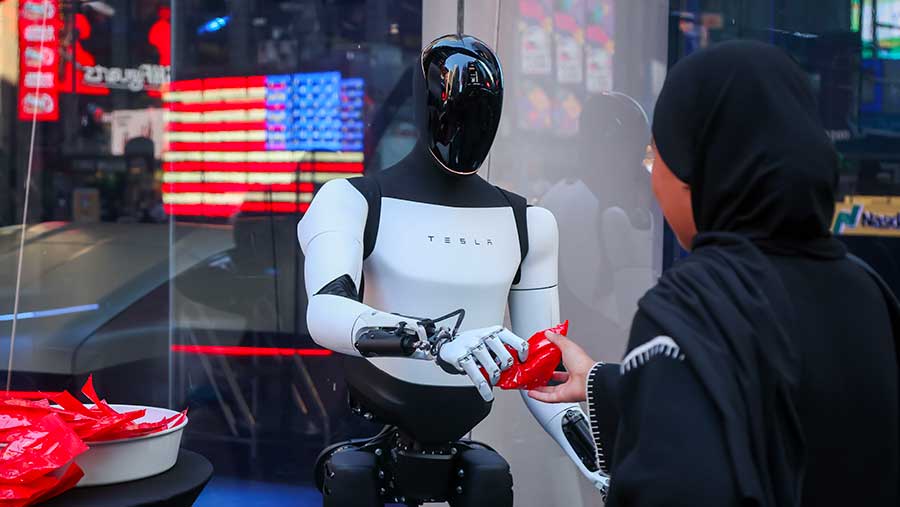
Experts warn that creating autonomous humanoid robots capable of navigating complex, real-world environments is a monumental hurdle that is likely years away from mass production. For many, the Optimus rollout risks joining other famous Musk-isms like “AGI in two years” or the “singularity by five”.
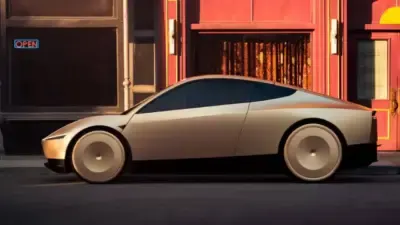
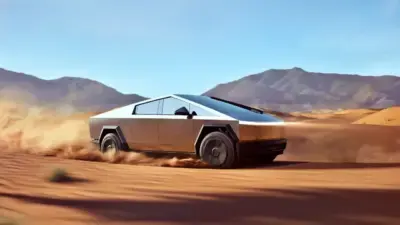
To add even more to the Tesla plate, Musk confirmed that the Cybercab is slated to enter production this April. With an ambitious goal of two million units per year, it seems Tesla is betting everything on a future where neither cars nor robots need a human touch.