

We’re watching Stellantis stock slide from 27 euros down to a pathetic 4,70 euros on July 8, 2026. With shares down over 80 percent from their March 2024 peak, investors are actively jumping out of a moving vehicle.
The catastrophic 2025 fiscal report read like a horror story. While revenue only dipped two percent to 153.5 billion euros, the underlying engine completely seized. Adjusted Operating Income flipped into an ugly 842 million euro loss, dragging the AOI margin down to negative 0.5 percent, while industrial free cash flow incinerated 4.5 billion euros. On top of that, a staggering 25.4 billion euros in extraordinary charges were tacked on for product strategy revamps, messy electrification pivots, and corporate restructuring.
For a brief moment in early 2026, management tried to pretend the bleeding had stopped. First-quarter revenue ticked up six percent to 38.1 billion euros, yielding a 377 million euro net profit and a 12 percent spike in deliveries. In the US market, Ram trucks supposedly gained 20 percent, pushing North American market share to 7.9 percent.
Wall Street wasn’t fooled by the temporary makeup. They looked past the banners and saw an AOI margin suffocating at 2.5 percent and another 1.9 billion euros of free cash flow vaporized in the ongoing cash burn.
Then came July, and HSBC delivered the final blow, downgrading Stellantis from “hold” to “reduce” with a miserable 4-euro target price. The culprit? A massive American hangover. US dealer inventory ballooned to an unsustainable 93 days of sales in June, leaving 120,000 extra cars rotting on dealer lots compared to last year. High inventory means aggressive discounting, which severely compresses already fragile profit margins.
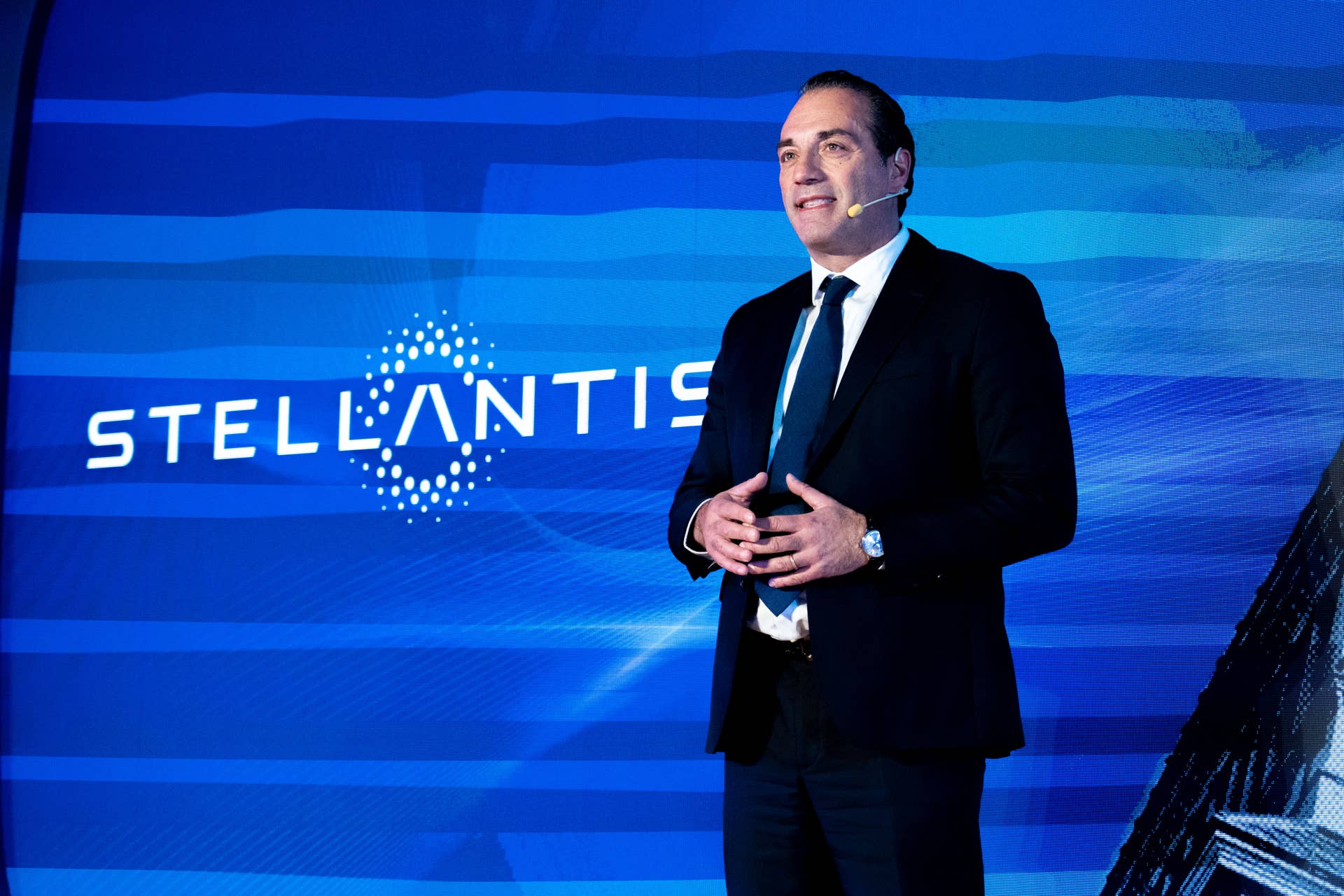
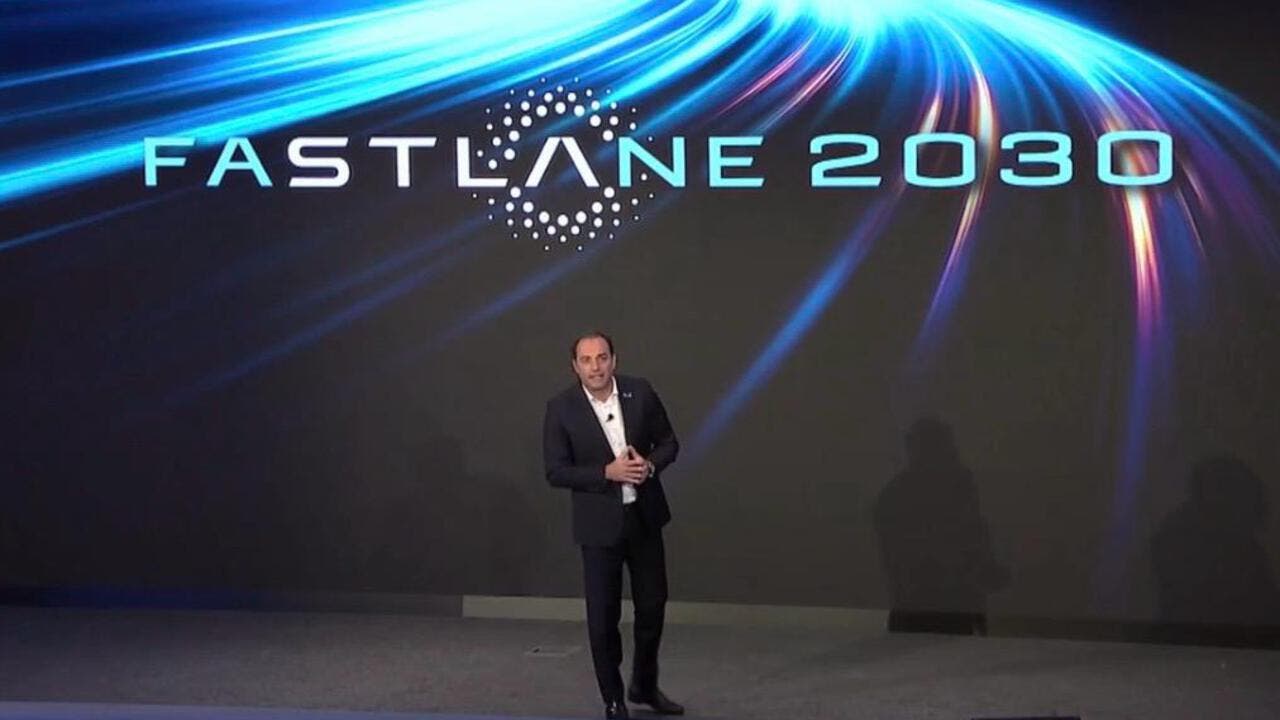
CEO Antonio Filosa’s grand antidote might be the FaSTLAne 2030 plan, promising 60 billion euros in investments and a seven percent AOI margin by 2030. But the market isn’t buying five-year promises when the house is actively burning down today. Even with 44.1 billion euros in liquidity and a 5 billion euro hybrid bond issue in March the panic is real.
At a recent Citroën convention in Paris, leadership tacitly admitted they know what’s broken in this automotive crisis. Their brilliant tactical fix? Slapping special edition badges on stale cars. It’s a cheap aspirin for a systemic corporate tumor.