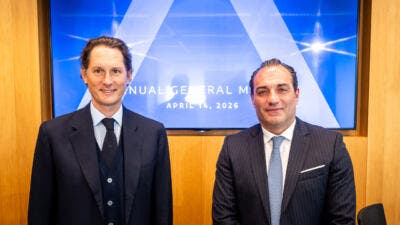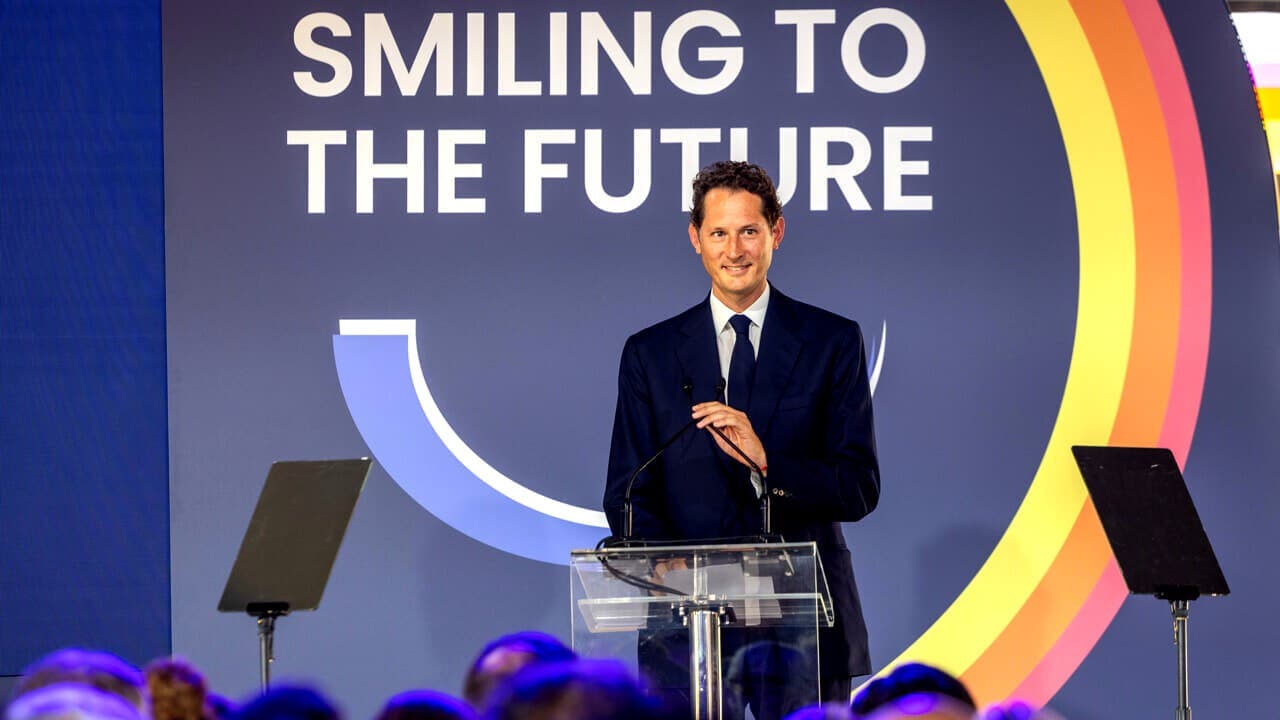
Stellantis wrapped up its annual meeting in Amsterdam unusually quickly, with shareholders approving every item on the agenda. John Elkann himself described the process as unusually fast and pointed to the unity shareholders showed at a very difficult moment for the group. Among the approved decisions was his confirmation as executive director, a sign that shareholders chose to keep trusting the current leadership despite the very heavy financial results posted in 2025.
Stellantis shareholders back John Elkann despite the group’s record loss
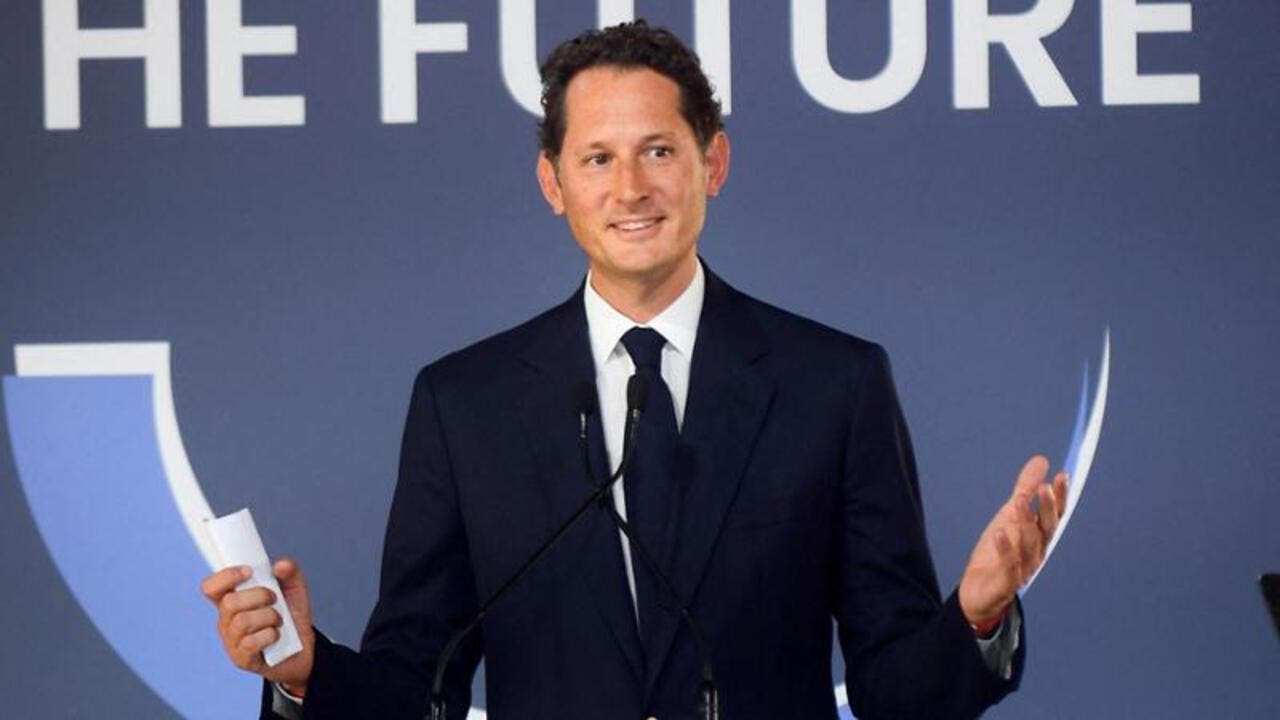
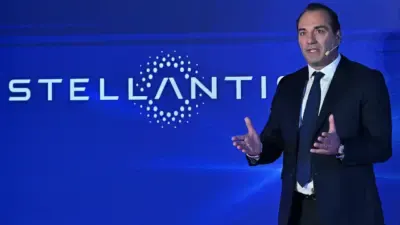
Shareholders representing 64.16 percent of the capital attended the meeting and approved both the financial statements and the decision not to pay a dividend. The most striking figure remains the net loss of €22.33 billion, the worst result the group has recorded since its creation. The biggest weight came from €25.4 billion in write-downs and extraordinary charges, mostly tied to the strategic realignment launched in recent months under Antonio Filosa’s leadership. Industrial free cash flow also stayed negative at €4.5 billion, even though the second half of the year showed some signs of improvement, while net revenue reached €153.5 billion.
In his remarks, Elkann openly acknowledged that 2025 was not a positive year, but he described it as a necessary step to build a stronger foundation for the future. He said the group used the period to reset itself in a context shaped by tariffs, geopolitical instability, intensifying competition, and regulatory uncertainty. For that reason, he said Stellantis is entering 2026 with a more cautious attitude, but also with renewed confidence in its ability to respond. One of the key moments in that path will come on May 21, when the group presents the next phase of its strategy.
On the governance side, shareholders also confirmed non-executive directors Robert Peugeot and Henri de Castries. At the same time, Juergen Esser, a manager from Danone, joined the board, bringing the total number of directors to 12.
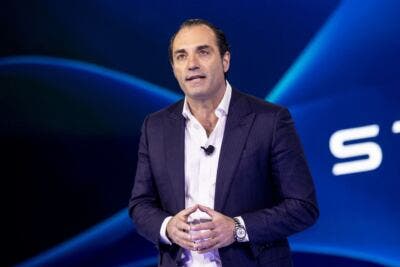
Filosa also described 2025 as a transition year, explaining that the reset now under way was painful but necessary to correct the course, strengthen the operating model, and put customers and profitability back at the center of the group’s priorities.