While the rest of the European automotive industry is busy looking for the nearest exit sign, Ferrari is behaving like that one friend who orders the most expensive bottle of wine while everyone else is nervously splitting an appetizer. Maranello has officially closed its 2025 books, and the numbers are so radiant they might require polarized sunglasses. With net revenues climbing 7% to over 7.1 billion euros and a solid net profit of 1.6 billion euros, the Prancing Horse isn’t just galloping. It’s basically flying first class.
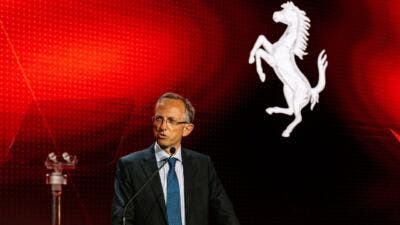
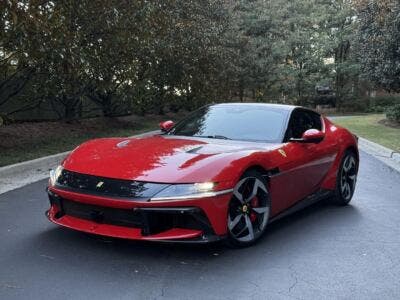
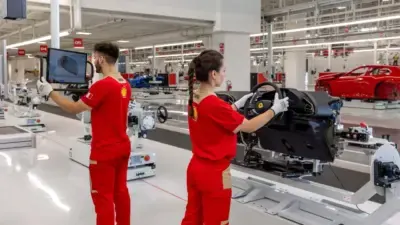
CEO Benedetto Vigna isn’t keeping all that champagne for himself, either. Ferrari is handing out productivity bonuses of up to 14,900 euros to approximately 5,000 Italian workers. That is a noticeable jump from the 14,400 euros they received in 2024. From the grease-stained overalls on the assembly line to the pristine suits in the back office, everyone is getting a slice of the success that turned the Purosangue SUV into a gold mine and kept the order book packed until the end of 2027.
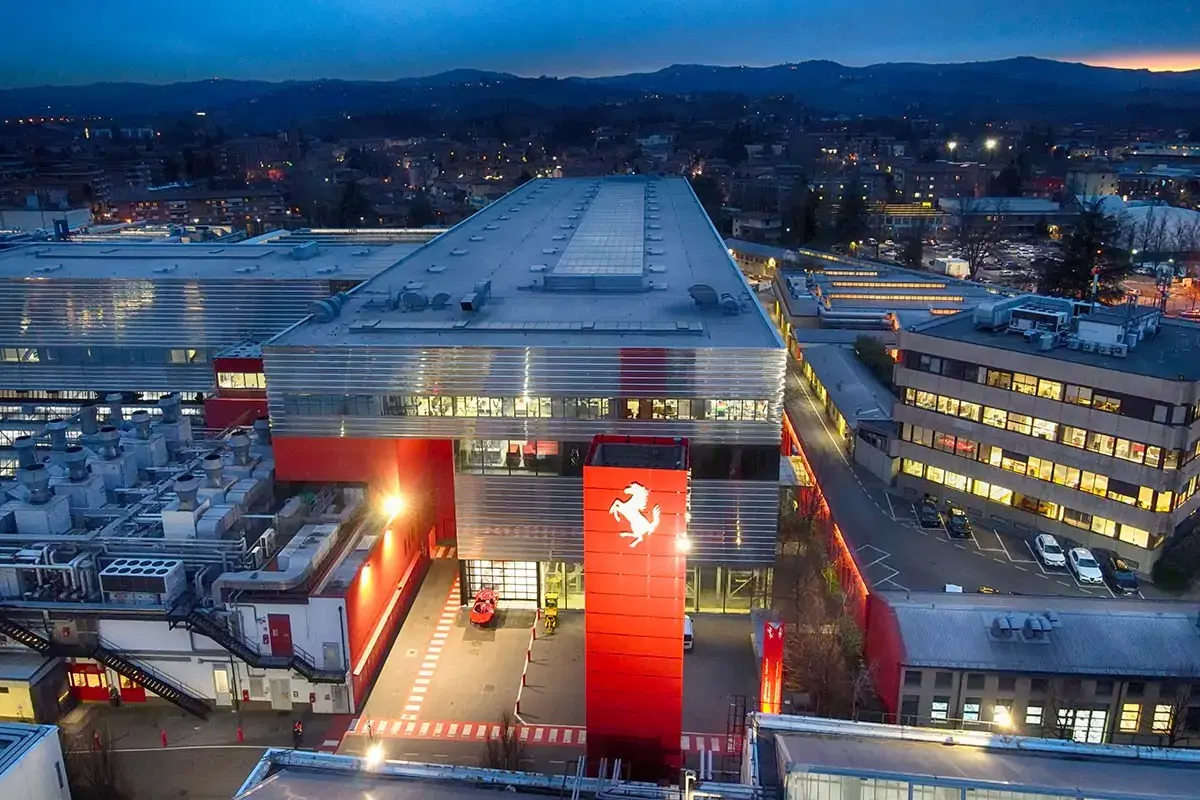
But it’s not just the workers getting pampered. Shareholders are also seeing their dividends jump, with a proposal to distribute 40% of the total profit, up from 35% last year. It seems that in the world of luxury supercars, “crisis” is just a word other people use.
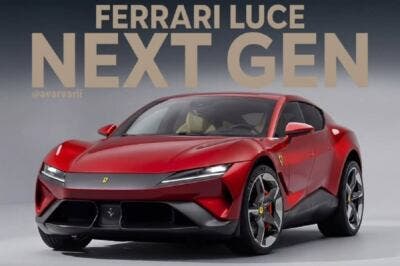
The real test of Maranello’s DNA arrives in 2026, when the first-ever all-electric Ferrari, aptly named Luce, is set to start taking orders on May 27. Whether traditionalists are ready for a silent Ferrari or not, the financial performance suggests that as long as it has the badge, the world will pay.
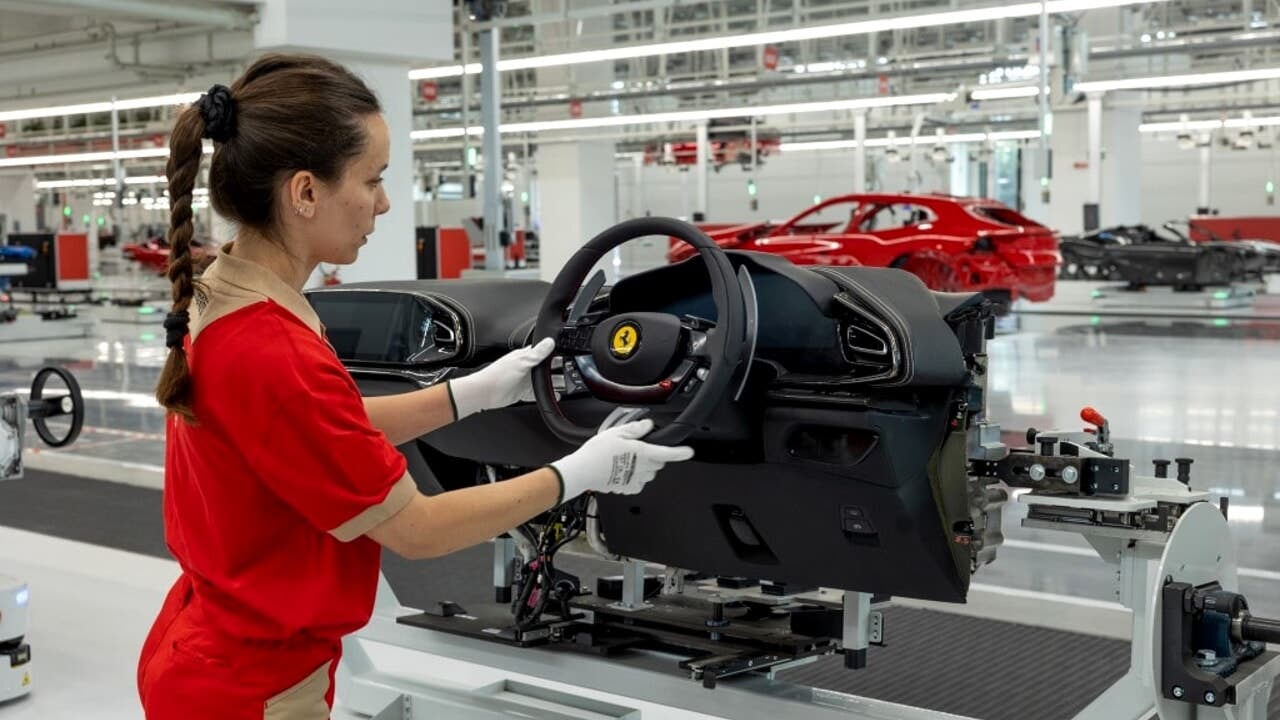
Of course, not everyone gets the full 14,900-euro check. The payout depends on collective performance goals and union agreements, and if you work in the racing department, your mileage may vary. Most will see the cash arrive in four installments of 1,300 euros, with the final balance settling in April.