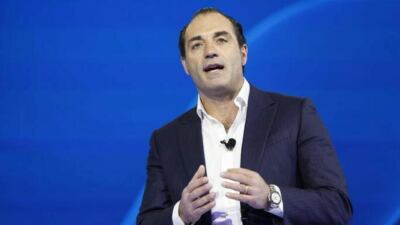
The CEO of Stellantis, Antonio Filosa, has enthusiastically applauded Berlin’s call for a significant loosening of the European Union’s rigid car emissions regulations. Filosa argues that Germany’s proposals align perfectly with the auto industry’s desperate plea to inject some much-needed growth back into a sector grappling with existential threats.
Stellantis is now one of the fiercest proponents of regulatory change. Their diverse portfoli, including everything from Jeep and Dodge to Alfa Romeo and Maserati, makes them acutely aware of the market’s volatility.

The German Chancellor recently urged Brussels to permit exemptions for plug-in hybrids and highly efficient internal combustion engines beyond the infamous 2035 deadline. Automakers need flexibility to manage the sluggish uptake of electric vehicles and the relentless, competitive pressure currently exerted by China’s rising automotive powerhouses.
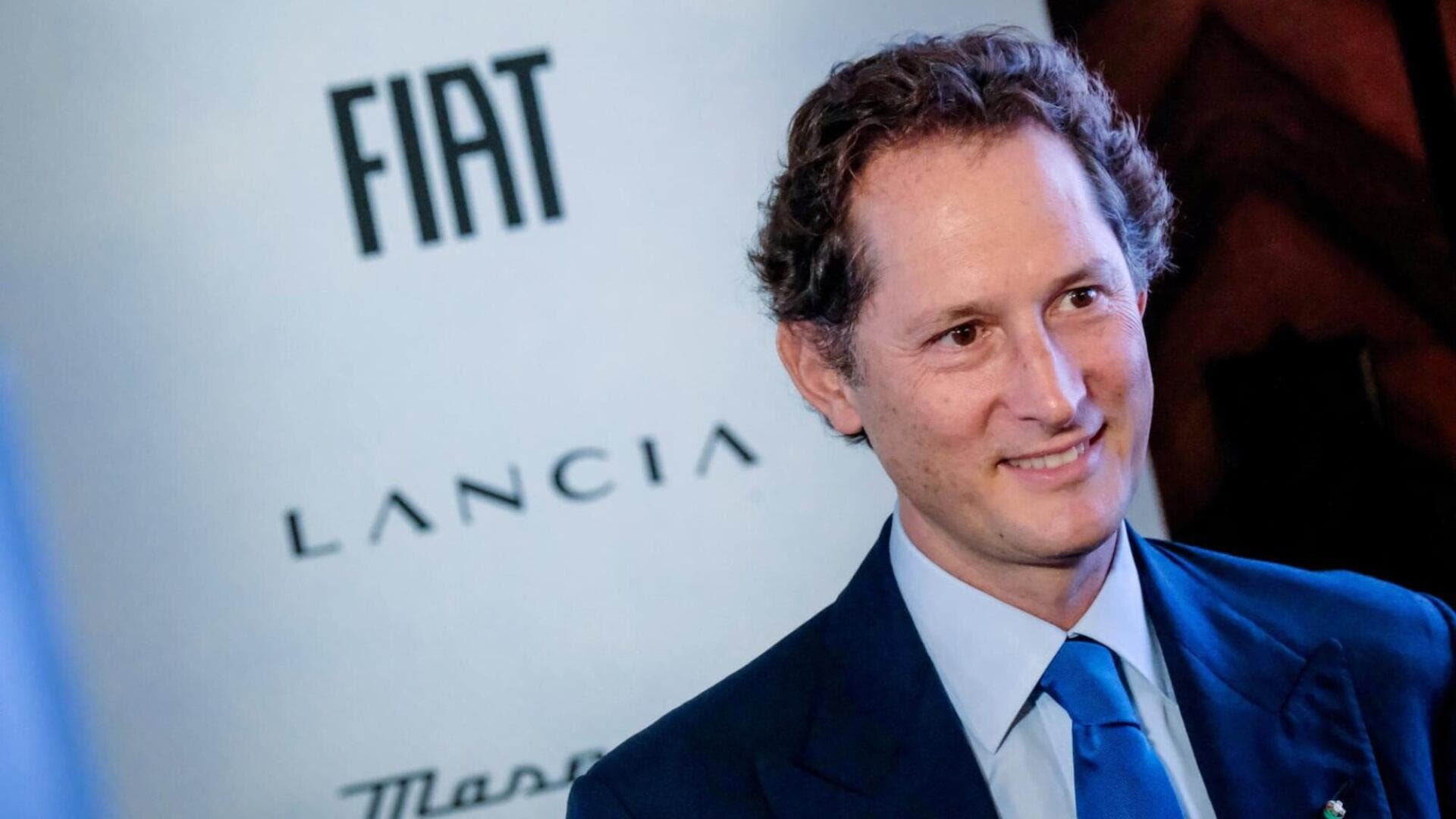
Filosa explicitly welcomed the German government’s support, stating that it reinforces proposals already put forward by the ACEA automotive lobby. These revisions, he insisted, turn out to be “urgently needed” to haul the entire European auto industry back toward growth. Just last week, Stellantis Chairman John Elkann warned that the industry risks an “irreversible decline” without more flexible rules, emphasizing the sector’s critical need for immediate intervention.
The industry’s proposals aren’t just about giving the HEMI V8 a few extra years of life. They encompass a broader strategy. Key demands include new emission targets for light commercial vehicles, regulatory tweaks designed specifically to support the manufacturing of small, affordable cars, and measures aimed at accelerating the renewal of the aging vehicle fleet.
These proposed measures attempt to reconcile the seemingly impossible. Achieving decarbonization while simultaneously protecting employment and ensuring vehicle affordability. A rare convergence of goals that even trade unions can get behind. The European Commission is going to present its support package (probably) on December 10th, and the industry is holding its collective breath.