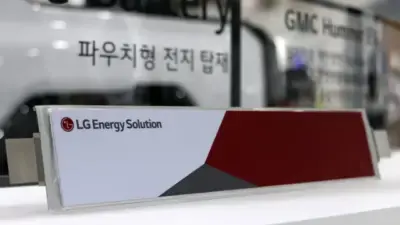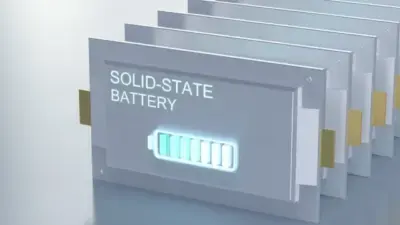
The automotive industry has a new favorite buzzword: the solid-state battery. It is being marketed as the scintillating “Holy Grail” that will finally kill range anxiety and make EVs perfect. Unfortunately, much like a “miracle” diet pill, this technology is hiding a closet full of expensive, complicated skeletons that the industry is only now starting to admit. Mostly because the hype train has already left the station.
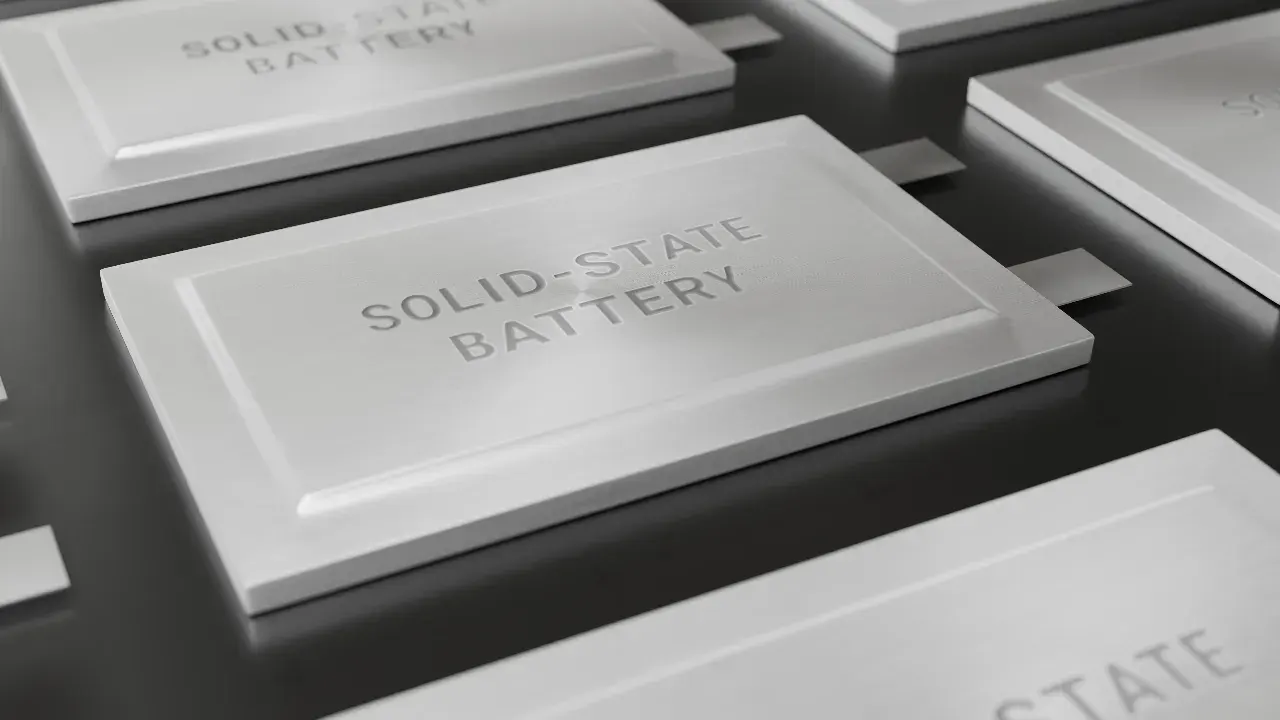
In theory, the design is a delightful three-layer cake. Unlike traditional cells where ions swim through a liquid or gel electrolyte, solid-state versions use a solid material that doubles as a separator. It’s safer because you’ve removed the highly flammable liquid “fire-juice”. In practice, however, the recipe is a nightmare.
First, let’s discuss the industry’s lithium addiction. While these batteries ditch the liquid, they frequently demand five to ten times more lithium than conventional packs. This massive appetite is going to send lithium prices into the stratosphere. We’re looking at a projected $28,000 per ton in 2026. Your future car isn’t just “green”, it’s going to be priced like a small yacht.
Then there are the “dendrites”. These are tiny, thorny lithium spikes that grow on the anode during charging. They have a nasty habit of punching through the separator like a slasher-movie villain, leading to short circuits and the dreaded thermal runaway. Even the much-hyped sodium-ion batteries aren’t immune to these prickly little saboteurs.
Manufacturing these things is equally painful. The layers require perfect, microscopic contact with tolerances so tight they’d make a Swiss watchmaker sweat. The ceramic separators are as fragile as crystal, prone to cracking at the slightest manufacturing hiccup.
Finally, there’s the issue of thermal management. Without liquid to help dissipate heat, these cells are incredibly picky about their environment, demanding a temperature range between 15 and 27°C (60-80°F). If you live anywhere with actual seasons, the constant expansion and contraction of components make maintaining that “perfect contact” a difficult task.
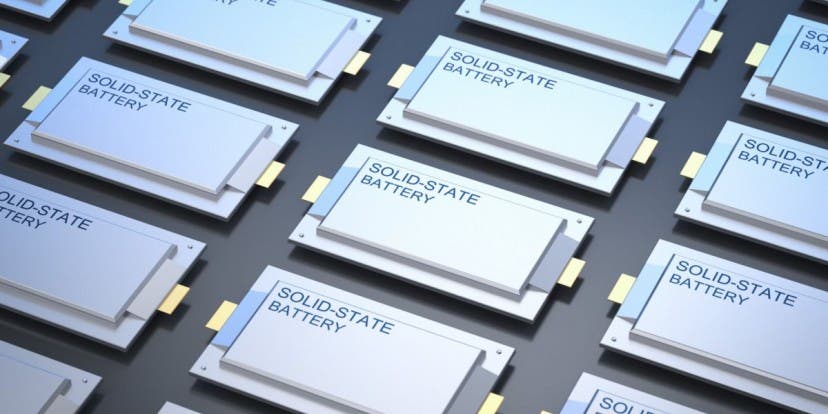
Solid-state batteries are promising us a utopian future, but the present is a mess of skyrocketing costs and technical hurdles that no one mentioned during the press releases.