

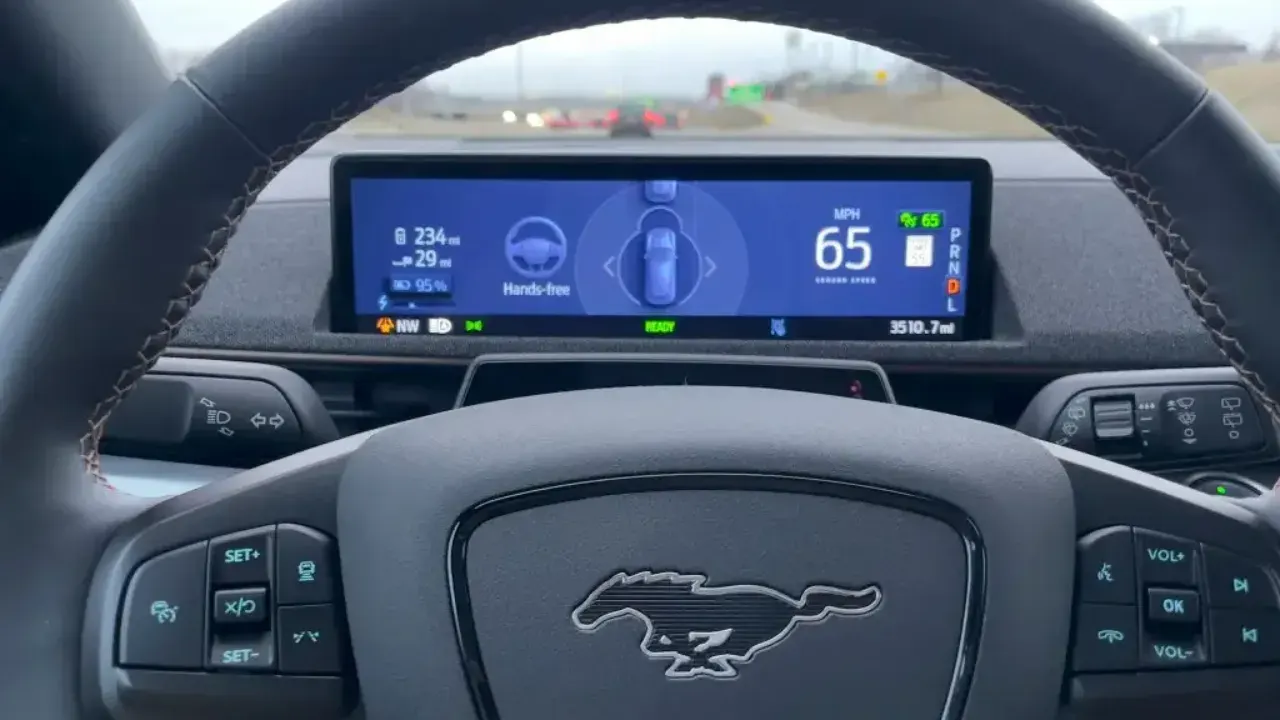
Two fatal crashes. The same advanced driver assistance system. And a legal defense that essentially boils down to: it’s not our job to stop you from hitting things. That, in short, is the story of Ford BlueCruise in 2024. And it’s the story the NTSB is preparing to tell out loud at a public hearing in Washington, D.C., on March 31.
The agency released updated investigative documents this week on both incidents. The first crash happened in February 2024 in San Antonio, Texas. A 2022 Ford Mustang Mach-E, cruising along Interstate 10 at roughly 74 mph with BlueCruise engaged, slammed into a stationary 1999 Honda CR-V. The driver of the Honda died. The Mach-E driver walked away with minor injuries.
Ford’s onboard driver monitoring system, which uses a camera to track where the driver’s eyes are pointed, recorded something damning: the driver had been staring at the center console screen for five seconds before impact. The system had already issued two visual and audio warnings. Neither prompted any braking. The driver, police reports suggest, may have been navigating to a charging station. Or possibly asleep. The footage, taken two seconds before the collision, shows him sitting upright, head resting against the headrest, slightly turned to the right.
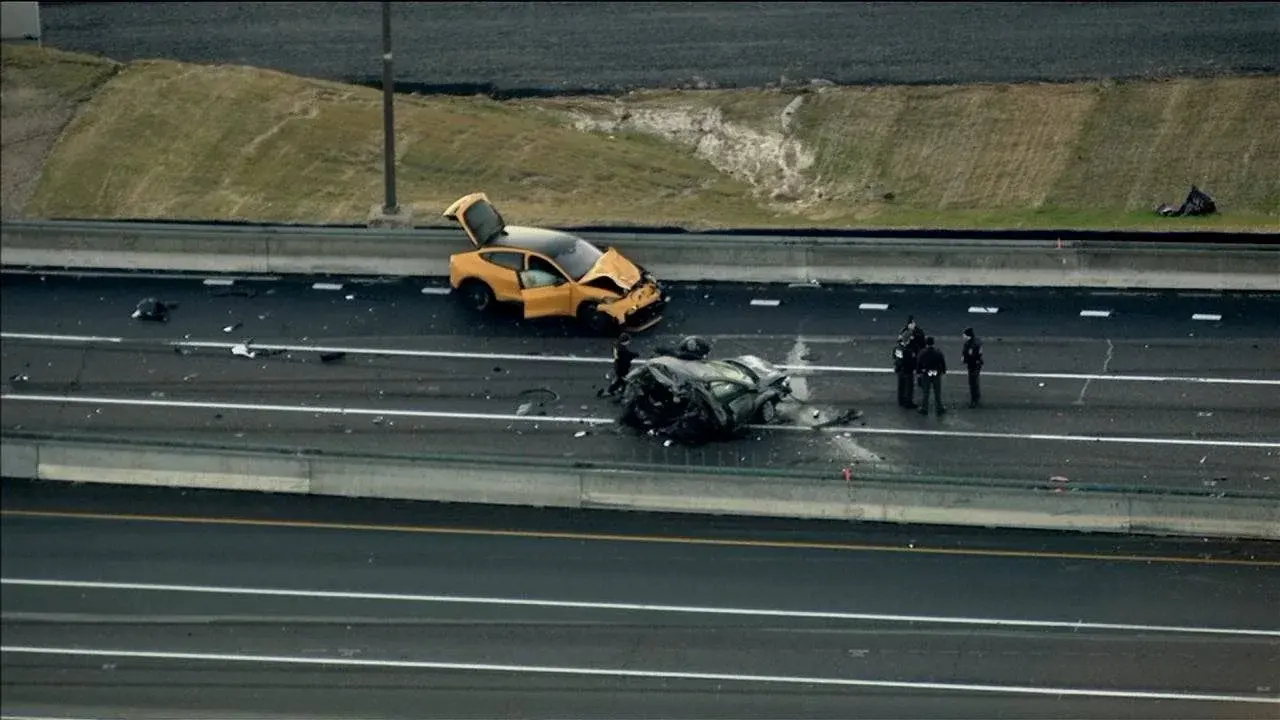
The second incident is grimmer, and legally messier. March 2024, Philadelphia, Interstate 95, 3:16 a.m. A 23-year-old driver, Dimple Patel, was behind the wheel of another Mach-E, allegedly drunk, traveling at 72 mph in a construction zone posted at 45, when she struck two parked vehicles and killed both their drivers. She was charged with DUI homicide. Her case is still pending.
Patel’s eyes, according to the monitoring system, were technically “directed toward the road” in the five seconds before impact. Technically. Because she was holding her phone directly above the steering wheel, neatly inside the camera’s blind spot. Ford has not commented on whether it was aware of this monitoring gap, or whether it has done anything to fix it.
Then there’s the AEB question. All modern Fords come equipped with automatic emergency braking, independent of BlueCruise. In both crashes, it did nothing. Ford’s own engineers told the NTSB that current radar-and-camera-based AEB systems are not reliable enough to consistently detect stationary targets and trigger braking.
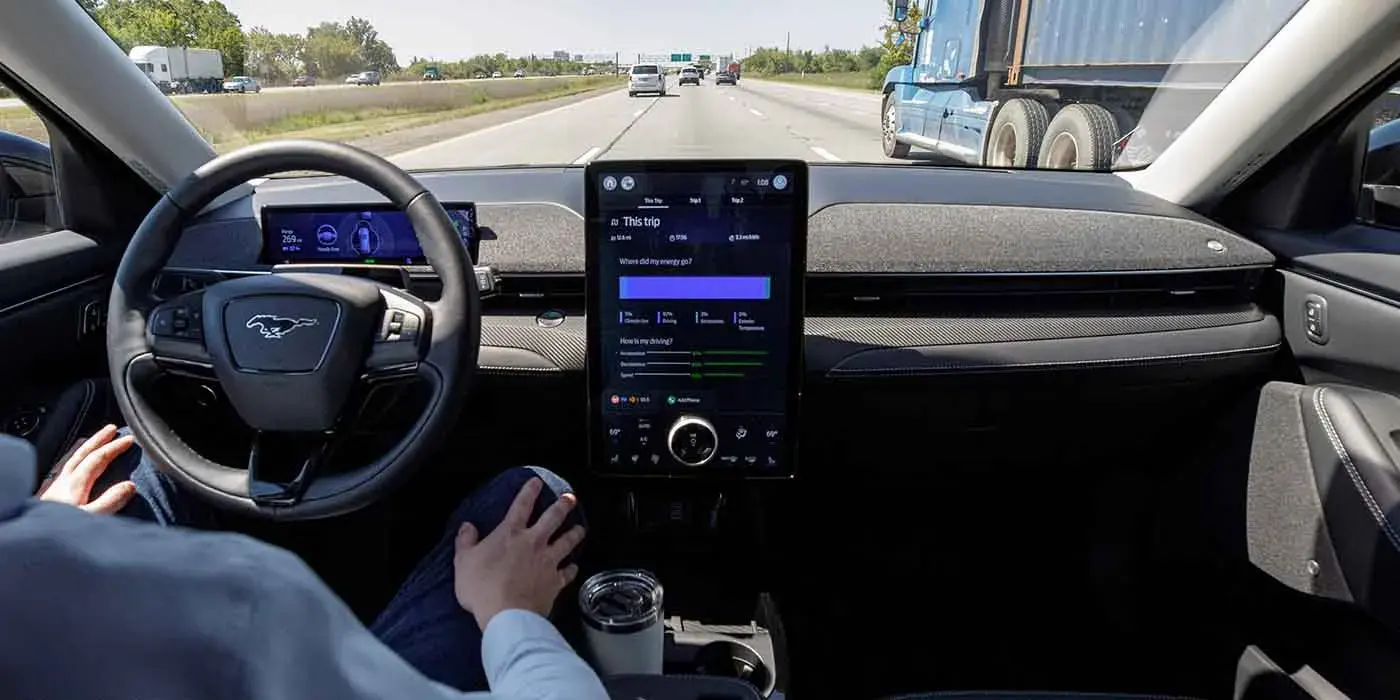
Ford’s official position remains that BlueCruise is a “comfort feature”, not a collision prevention system, and that drivers must remain ready to intervene at all times. That’s a legally defensible stance.
The broader ADAS industry should be watching closely. Because the question being asked isn’t just about BlueCruise. It’s about what happens when technology outpaces accountability, and who pays when the gap between “comfort feature” and “life-critical system” collapses at 74 miles per hour.