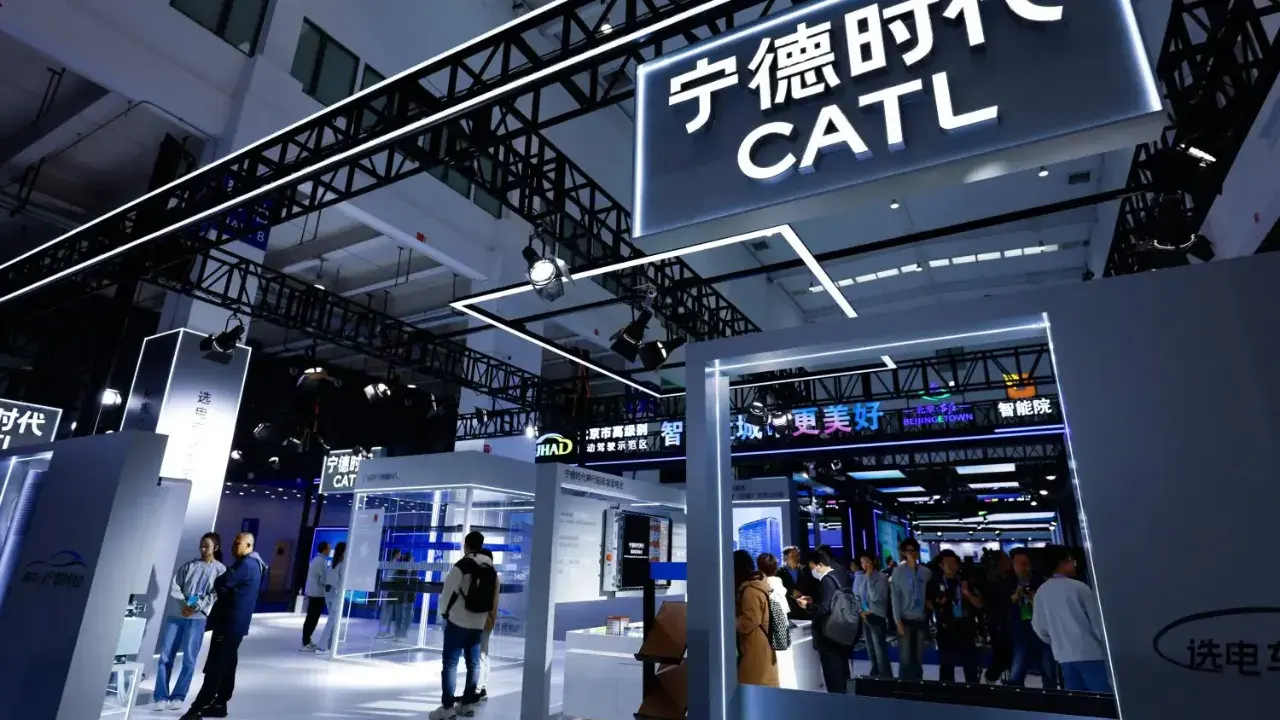
Watching Washington try to build an electric vehicle empire while locking out the world’s biggest battery maker is like watching someone try to start a fire by rubbing two wet sticks together. Robin Zeng, the billionaire mastermind behind CATL and the fourth richest man in China, he’s laughing all the way to a $10 billion profit. While American politicians play the “national security” card and slap prohibitive tariffs on anything with a Chinese serial number, Zeng is sitting on a mountain of cash, reminding everyone that one out of every three EVs on the planet runs on his juice.
The US industry is currently stuck in a cycle of industrial masochism. Take General Motors, for instance. They are importing CATL’s lithium-iron-phosphate (LFP) batteries for the 2027 Chevrolet Bolt and happily paying a 60% tariff just to keep the car’s price from hitting the stratosphere.
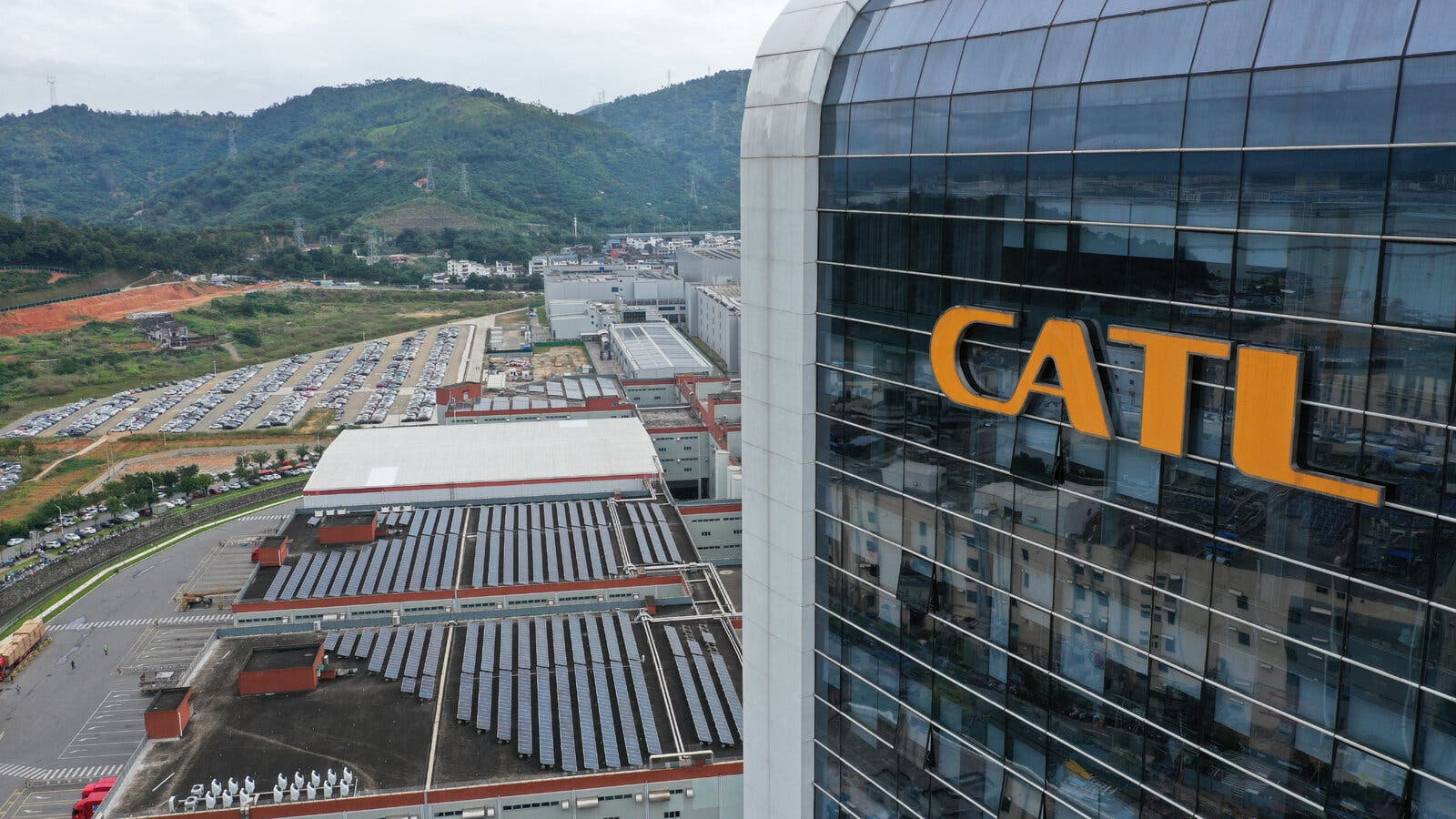
Billions invested in domestic battery plants that are currently sitting idle or “paused” because they can’t actually produce a cell cheaper than a taxed import from across the Pacific. It’s a cry for help.
Then there’s Ford. They’ve decided that if you can’t beat them, you might as well pay them rent. By ditching their South Korean partners to build a Michigan plant using CATL’s intellectual property, Ford is essentially admitting that American “innovation” in the battery space is currently a decade behind.
Americans invented LFP technology in the States, but while they were busy writing white papers, the Chinese were perfecting the chemistry and figuring out how to actually put it in a car. Now, they’re paying royalties to borrow back their homework.
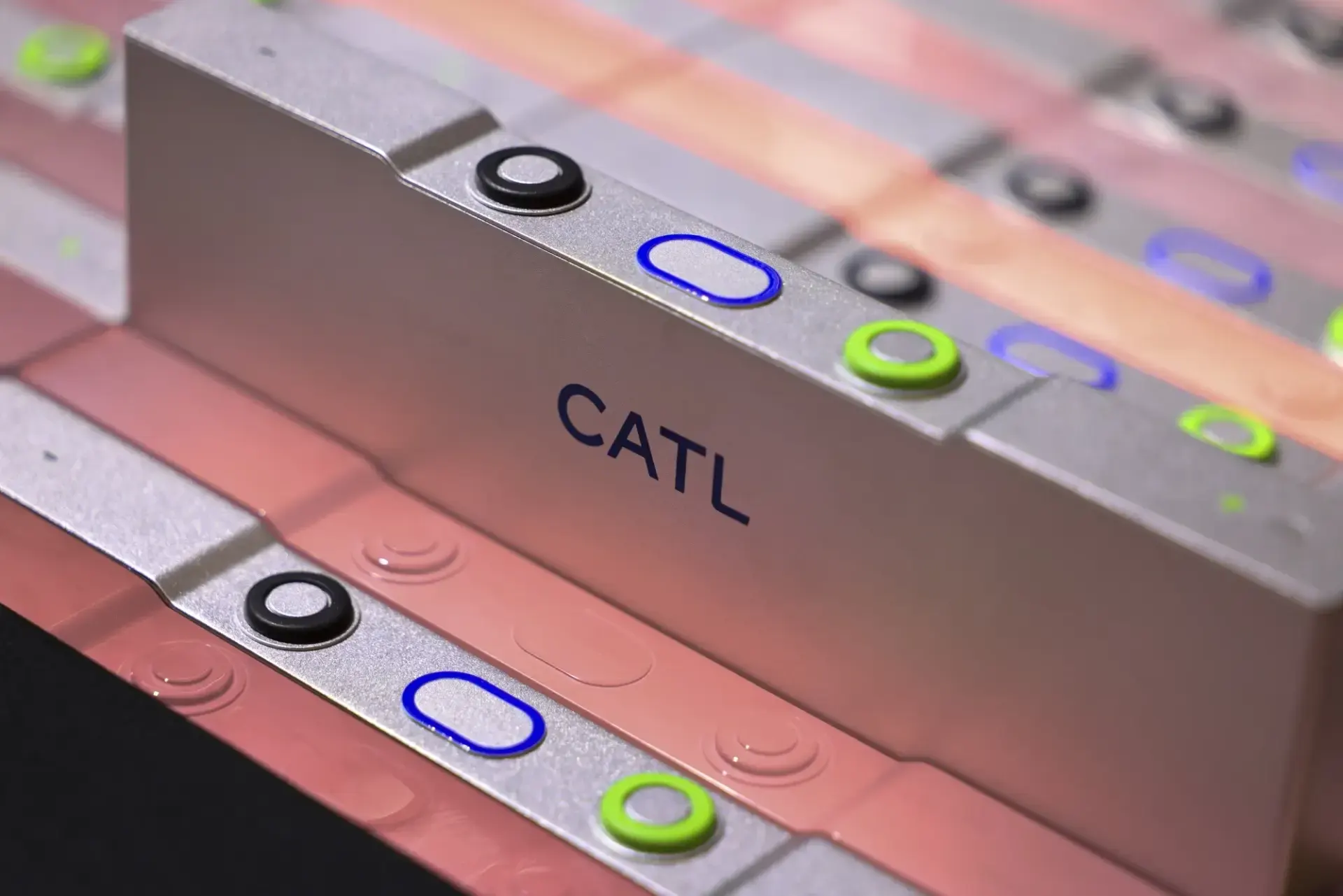
Zeng predicts that by 2028, the political theater will end because “business is more durable than politics”. He knows that without CATL, the American dream of autonomous driving and robotaxis is just a hallucination. If the US continues this protectionist charade, they won’t just be driving more expensive cars; they’ll be driving relics while the rest of the world moves on.
The US electric vehicle market isn’t just “slowly adopting”, it’s starving for the tech it refuses to welcome through the front door. They’re finally running the race, but they’ve spent so much time tying the shoelaces together that the finish line isn’t even in sight anymore.