

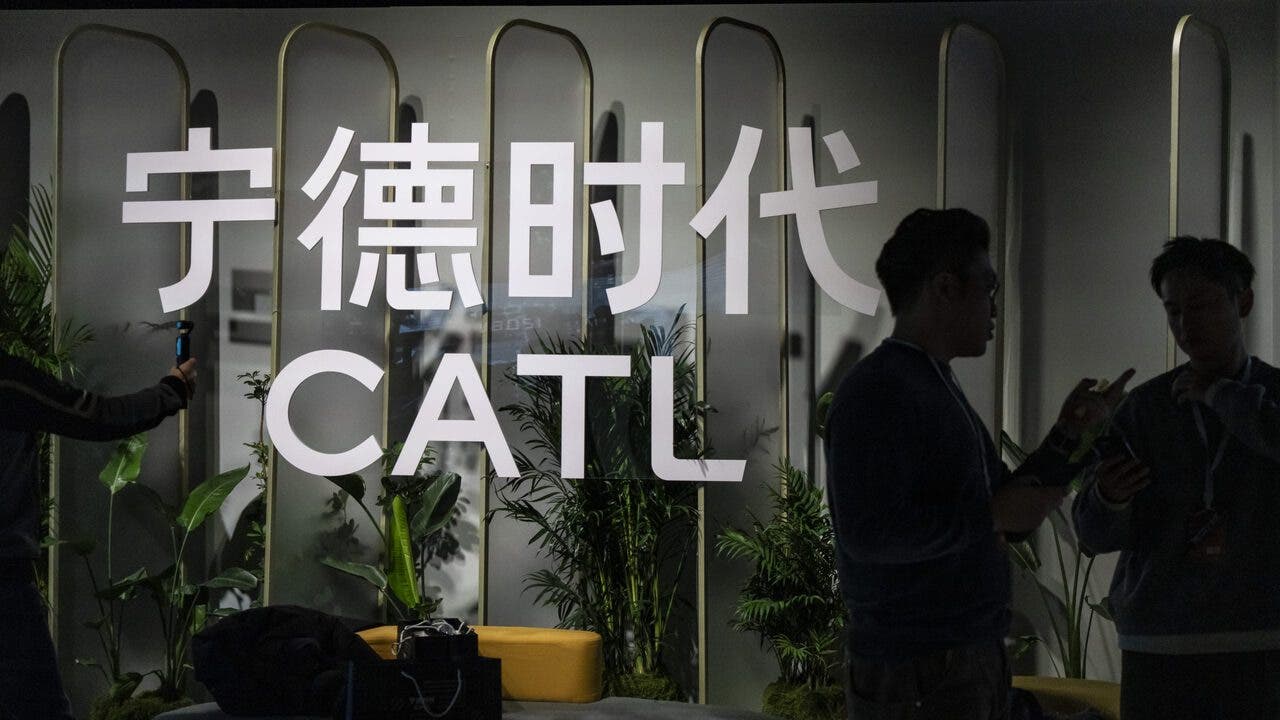
Ford‘s decision to deepen its relationship with Chinese battery giant CATL has all the makings of a corporate soap opera, complete with jealous rivals and a plot twist nobody saw coming.
The Dearborn automaker announced Tuesday it’s launching Ford Energy, a new battery storage subsidiary, after revealing plans to convert a Kentucky electric vehicle battery plant into an energy storage facility using CATL’s licensed technology. This comes on top of Ford’s 2023 partnership with CATL to produce low-cost lithium iron phosphate batteries at a $3.5 billion Michigan facility set to open this year.
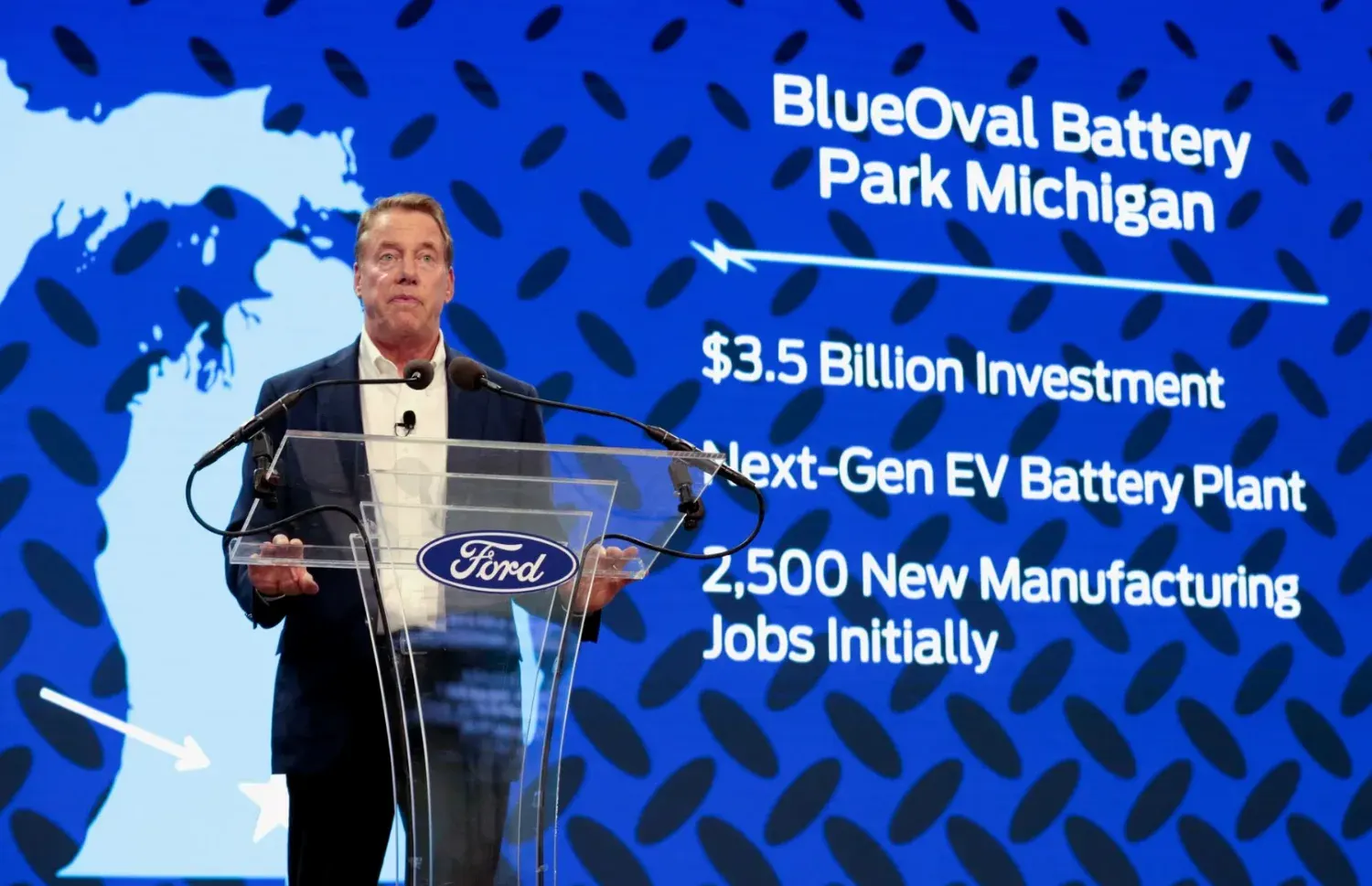
The move is designed to supply batteries for AI-driven data center projects and cushion the blow from Ford’s less-than-stellar EV transition. But it’s also stirred up a hornet’s nest on Capitol Hill, where some lawmakers were already uncomfortable with Ford cozying up to a company the Pentagon flagged last year for alleged ties to the Chinese military.
John Moolenaar, chair of the House China Committee, fired off a letter to Ford CEO Jim Farley demanding explanations about the “growing relationship” with the world’s largest battery manufacturer. “China represents a serious threat to our supply chain independence and economic security”, Moolenaar wrote.
Here’s where it gets interesting: Trump’s One Big Beautiful Bill Act allows licensing deals with “foreign entities of concern” signed before July 2025 to keep receiving federal tax credits, as long as they’re not modified afterward. Ford insists its expansion falls within the original agreement’s scope, producing batteries based on CATL’s LFP technology, just at multiple sites.
Rival Detroit automakers, who assumed the legislation limited Ford to one facility, are livid. They fear Ford’s broad licensing arrangement gives it an unfair advantage while they’re blocked from similar deals.
During a recent Detroit visit, Trump himself cheerfully encouraged Chinese companies to “come here and build a plant and hire you and your friends and neighbors”. Meanwhile, his congressional allies are scrambling to contain Ford’s Chinese connection without openly criticizing an administration-backed law.
Ford maintains it’s “confident” its batteries will meet federal credit eligibility and comply with “the letter and spirit of the law”. The company frames its expansion as an investment in American workers and energy security, conveniently sidestepping questions about how much control CATL retains.