

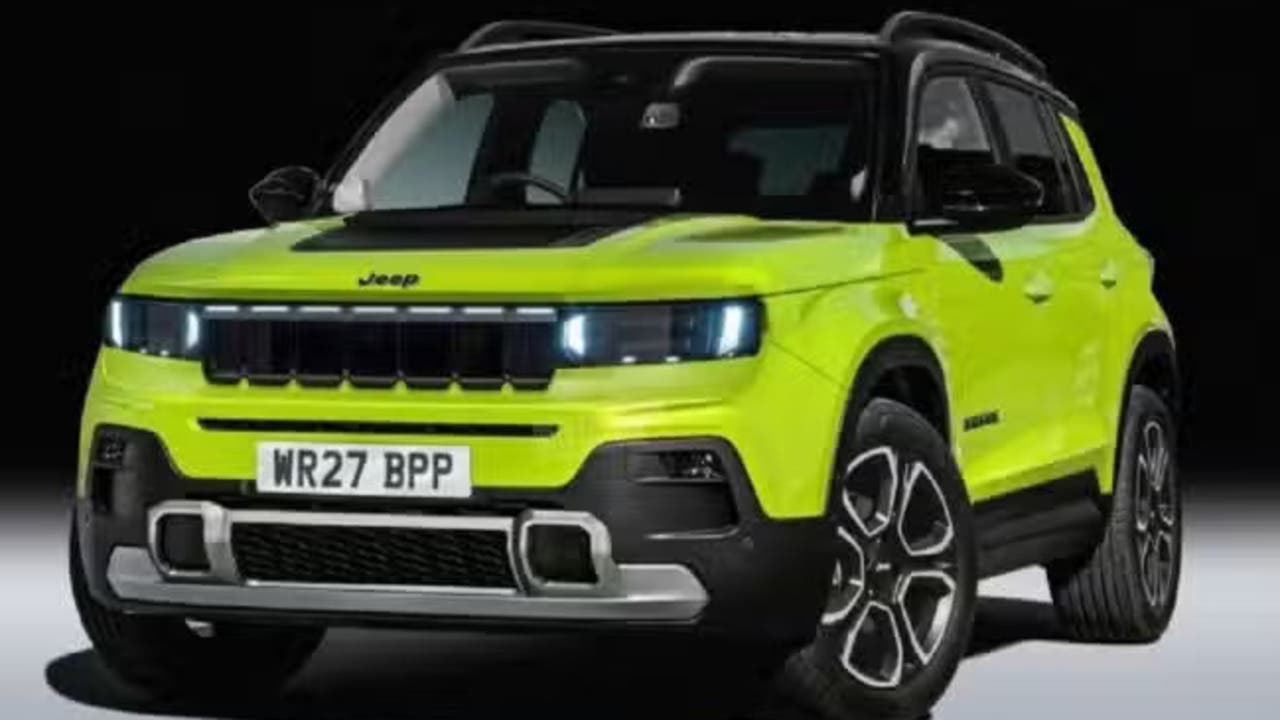
Stellantis is at it again, preparing to resurrect the Jeep Renegade for a projected 2027 debut. Placed snugly right below the Compass, this upcoming compact SUV attempts to bridge the gap between the B and C segments. The blueprint is clear: build something small enough for tight city streets but spacious enough to prevent immediate claustrophobia.
The grand corporate strategy is to recapture the lightning in a bottle that made the original Renegade a massive cash cow, albeit repackaged for an era obsessed with emissions compliance and digital screen real estate. Jeep promises it will maintain its rugged American charm, though corporate executives are still debating whether to actually keep the iconic nameplate or pick a brand-new title.
British outlet Auto Express already tried to decode the mystery with a speculative render, showcasing a boxy silhouette, heavily flared wheel arches, and the obligatory seven-slot grille. It looks solid, upright, and traditional.
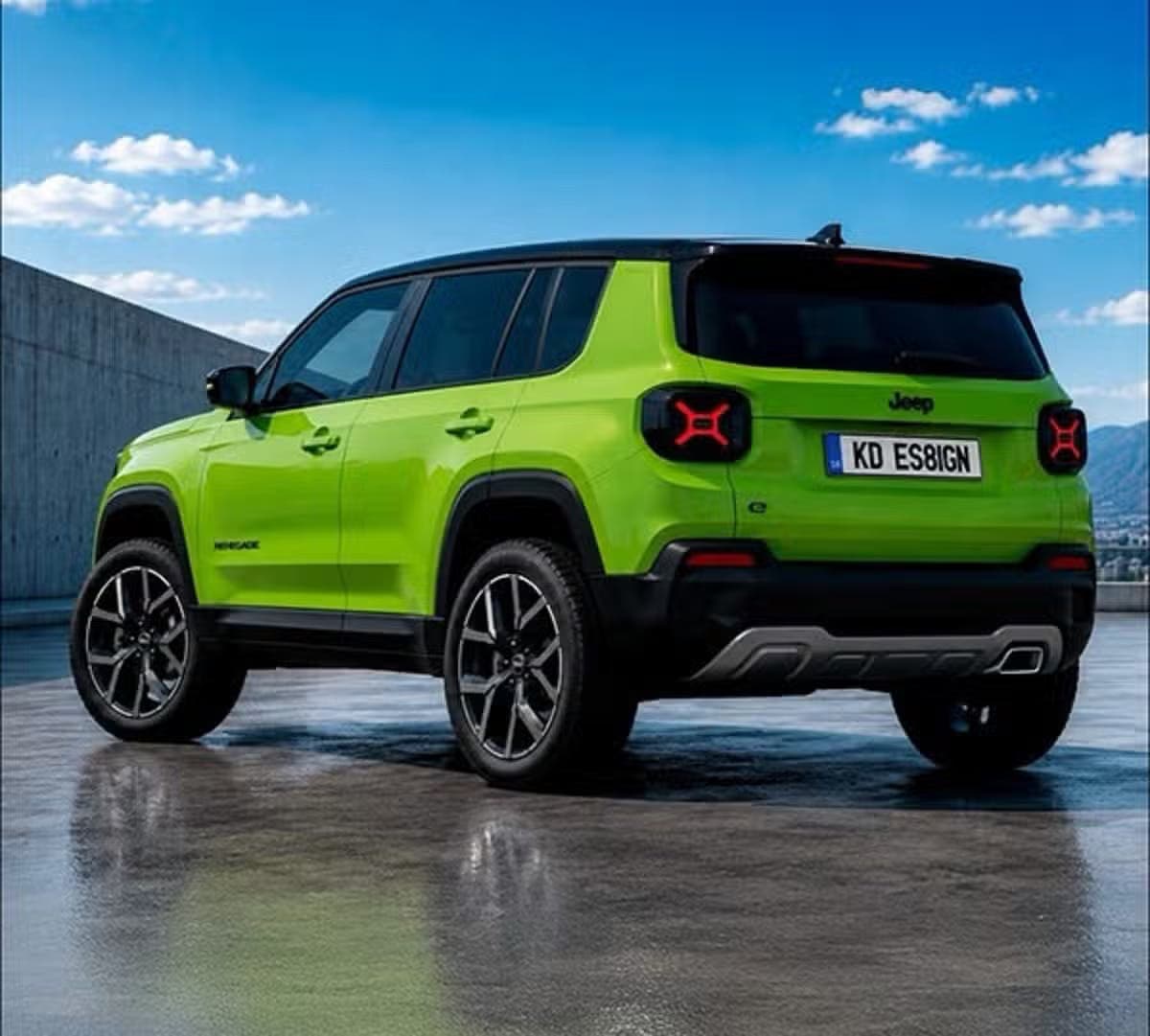
Underneath that rugged digital skin lies the real industrial punchline: the Stellantis Smart Car platform. Already pulling heavy duty for budget-friendly European family haulers like the Citroën C3 Aircross and the resurrected Opel Frontera, this architecture is less about trail-rated rock crawling and more about aggressive cost-cutting.
This platform-sharing wizardry is the only way Jeep hopes to achieve an ambitious starting price of around 25,000 euros. It is a financial miracle made possible by looting the global corporate parts bin for engines, electronics, and structural components.
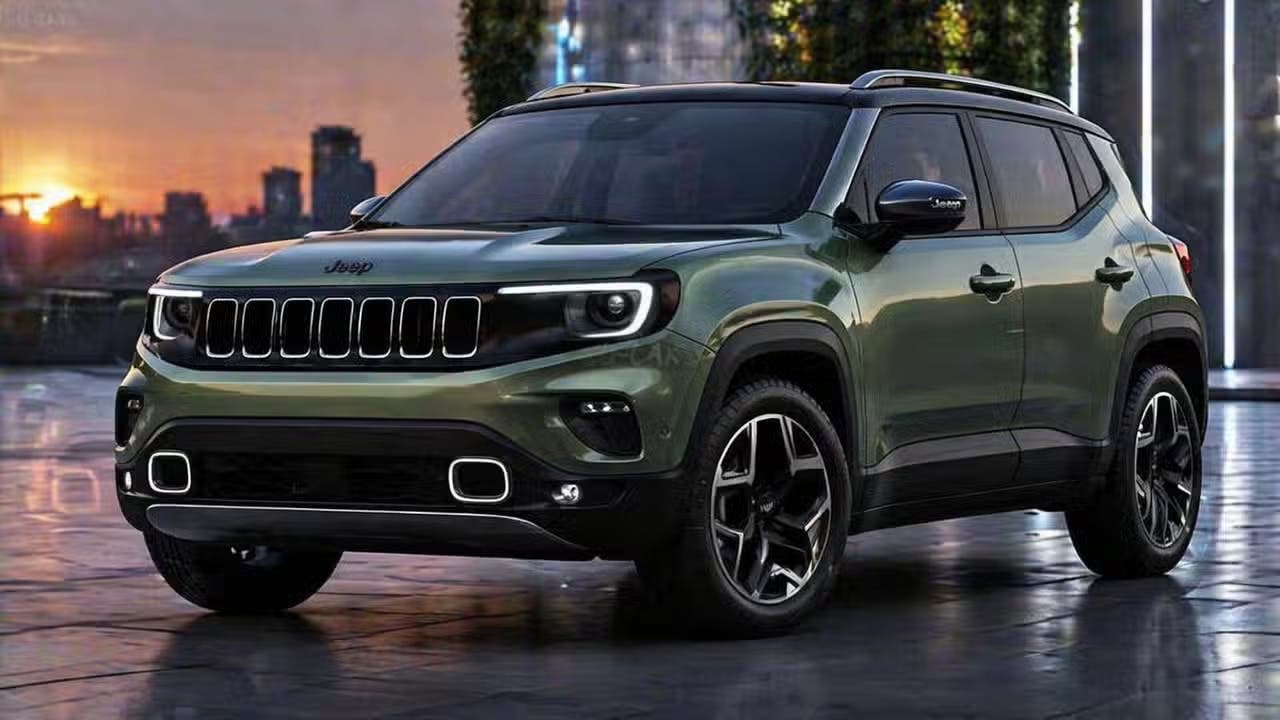
When it eventually drops, the lineup will feature a fully electric variant sporting a 55 kWh battery pack good for a theoretical 400 kilometers of range, alongside a mild-hybrid version powered by the ubiquitous Stellantis 1.2-liter three-cylinder engine.
Furthermore, this budget-focused platform presents a hilarious crisis for the brand: it has no native support for mechanical all-wheel drive. Since selling a strictly front-wheel-drive Jeep is marketing suicide, engineers will likely resort to an e-axle trick, slapping an electric motor on the rear wheels to loosely mimic a 4xe layout. Inside, expect an avalanche of digital real estate, massive center touchscreens, and connected tech, all teased via a mysterious silhouette on a slide.