Hyundai isn’t exactly known for doing things quietly, and the 2027 Elantra is already proving that point, in camouflage. A P1 prototype has been caught testing in South Korea, and while the disguise is doing its best to hide the goods, it’s not fooling anyone paying close attention.
For the uninitiated, P1, or Prototype 1, is the first stage where Hyundai builds a vehicle using actual production-spec components and tooling. It’s not a clay model or a designer’s fever dream anymore. This is the real thing being stress-tested in real conditions, long before P2 and P3 refine it into the final market-ready version.
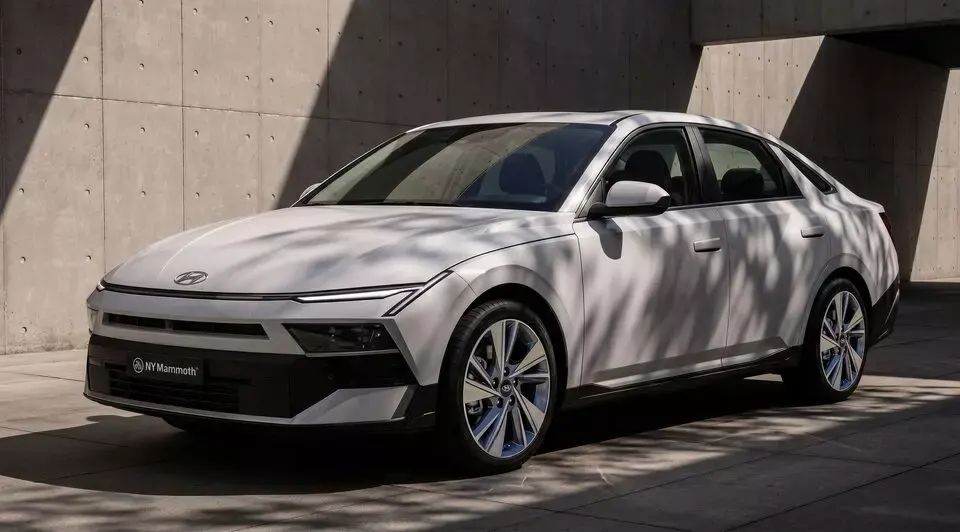
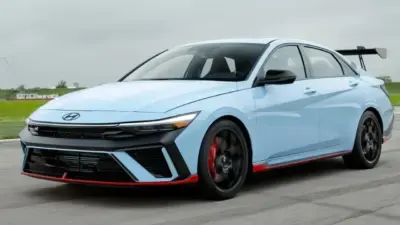
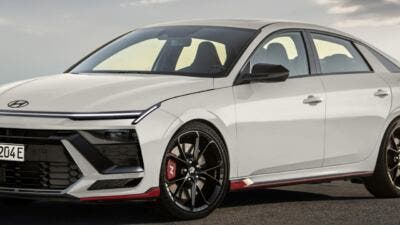
And what is it showing? A sharper, more premium interpretation of Hyundai’s “Sensuous Sportiness” design language. The front end points toward a more integrated grille and lighting setup, potentially featuring an H-shaped LED daytime running light bar sitting above the main headlights in a layout borrowed straight from the SUV playbook. The C-pillar treatment takes a page from the Grandeur’s retro-modern approach, while the rear gets a three-dimensional upgrade to that signature H-shaped tail lamp.
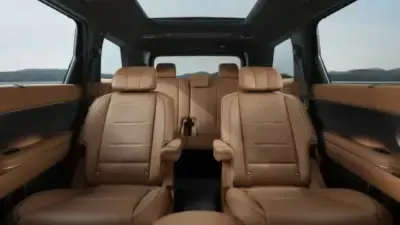
Inside, Hyundai is clearly feeling the heat from Chinese automakers who have been treating touchscreens like they’re competing in a size contest. The 2027 Elantra responds with the Pleos operating system paired with Gleo, Hyundai’s new AI assistant capable of handling complex, natural-language commands. The dual-screen setup ditches the curved format in favor of a clean 9.9-inch display up top and a commanding 17-inch infotainment screen as the cabin’s centerpiece.

Under the hood, the hybrid-first strategy continues with an updated TMED-II hybrid architecture, targeting better fuel efficiency and improved power delivery. The powertrain lineup is expected to include an updated 2.0-liter four-cylinder, a 1.6-liter turbocharged option, and a hybrid variant that flirts with EV-like behavior without fully committing to the plug. A six-speed transmission handles the hybrids, and Hyundai’s Smartsense suite gets bumped to Level 2.5 autonomous driving capability.
The official debut is expected in South Korea around mid-2026, with U.S. dealership arrivals projected for the first half of 2027. More prototypes are already on their way to public roads, and with each layer of camouflage that comes off, the picture gets clearer.