

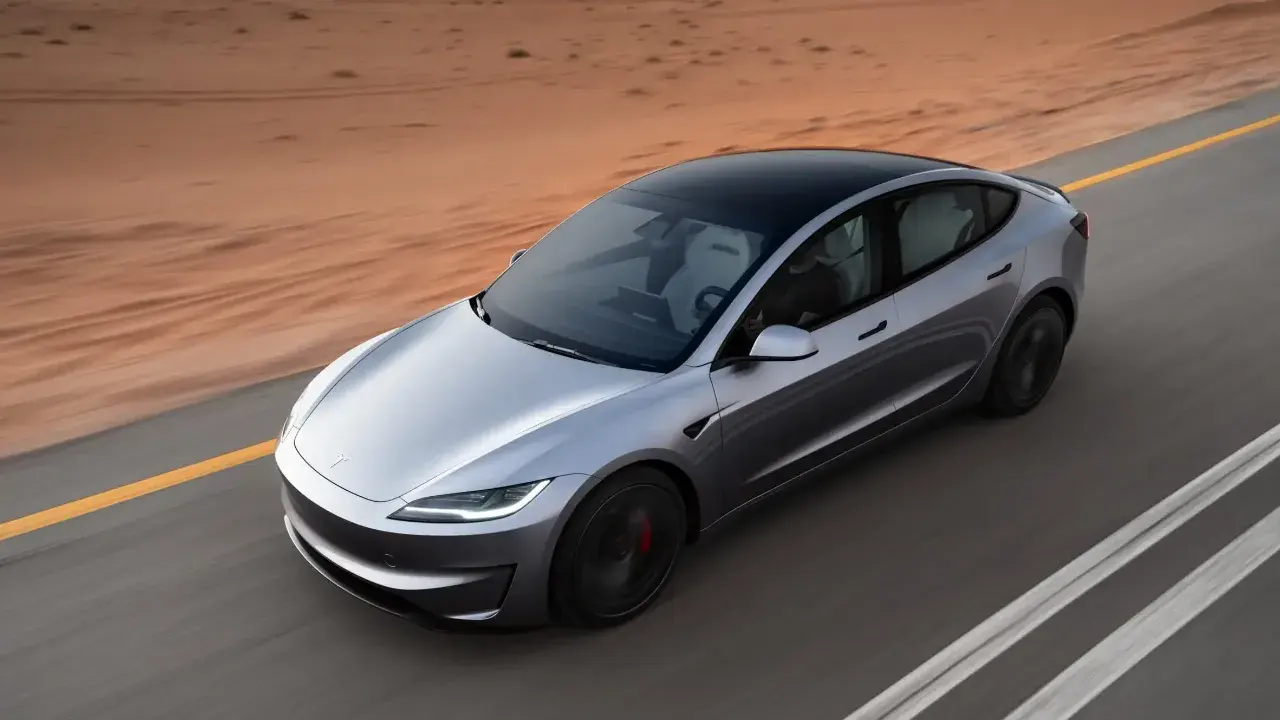
Tesla’s official WeChat account recently decided to tackle the ultimate existential EV question: “How many years can you actually drive a Tesla?”. According to Palo Alto’s favorite hype machine, the magic number is fifteen. Yes, Tesla claims that if you clock a very reasonable 20,000 kilometers (about 12,400 miles) a year, your electric commuter will happily survive for over a decade and a half.
The core of this longevity sermon lies in the absolute simplicity of electric propulsion. While your traditional internal combustion gas-guzzler is a mechanical nightmare composed of over 2,000 moving parts waiting to break, a Tesla gets by on just about twenty. No complex transmissions, no greasy engine blocks, and significantly fewer trips to local mechanics who smell like stale coffee and motor oil.
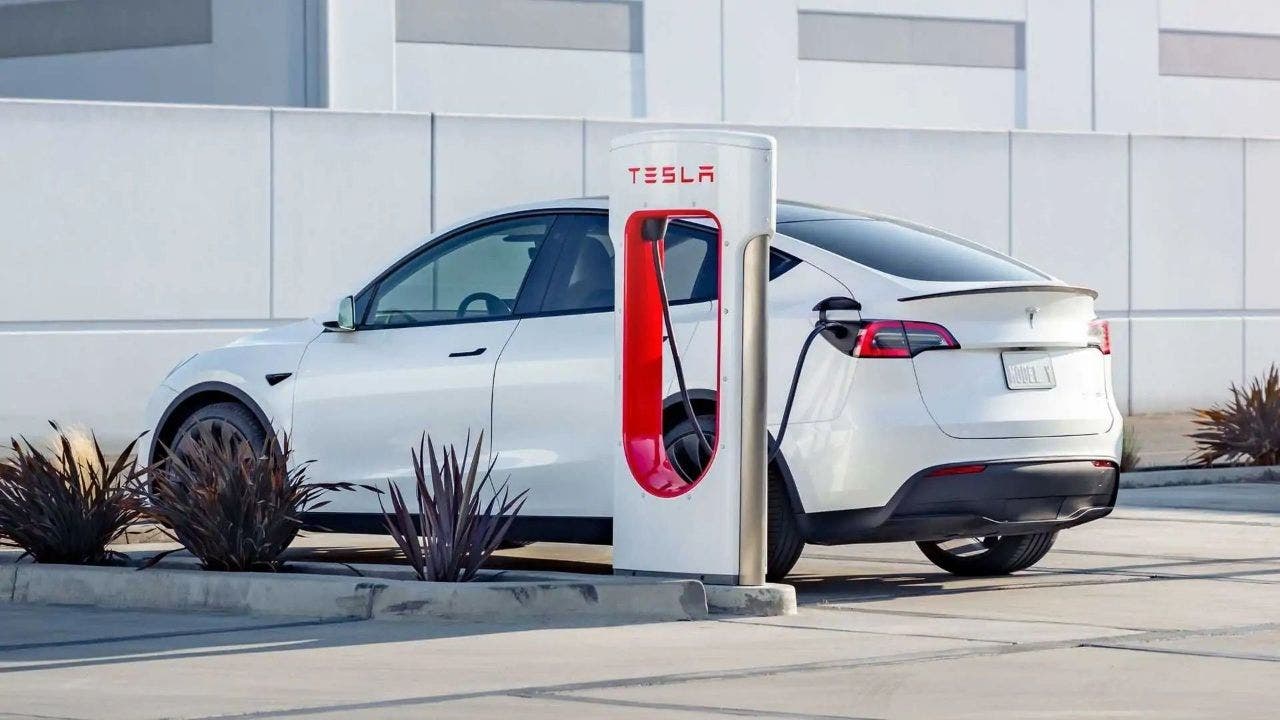
To prove these minimalist machines are tougher than they look, Tesla even bragged about a monsoon-level water test. Apparently, their cars survived a deluge that was double the actual Guinness World Record for the heaviest rainfall ever recorded. Because nothing screams daily reliability like preparing your sedan for Noah’s Ark.
With over 9 million vehicles delivered worldwide, Tesla isn’t just throwing around hypothetical marketing numbers. They backed up their claims with hard data from their latest Impact Report, which reveals that Model 3 and Model Y battery packs retain an average of 80% of their original capacity after a staggering 200,000 miles of road abuse. If you do the math, that correlates perfectly with their 15-year survival estimate. It seems the lithium-ion cells are holding up much better than the infamous factory panel gaps.
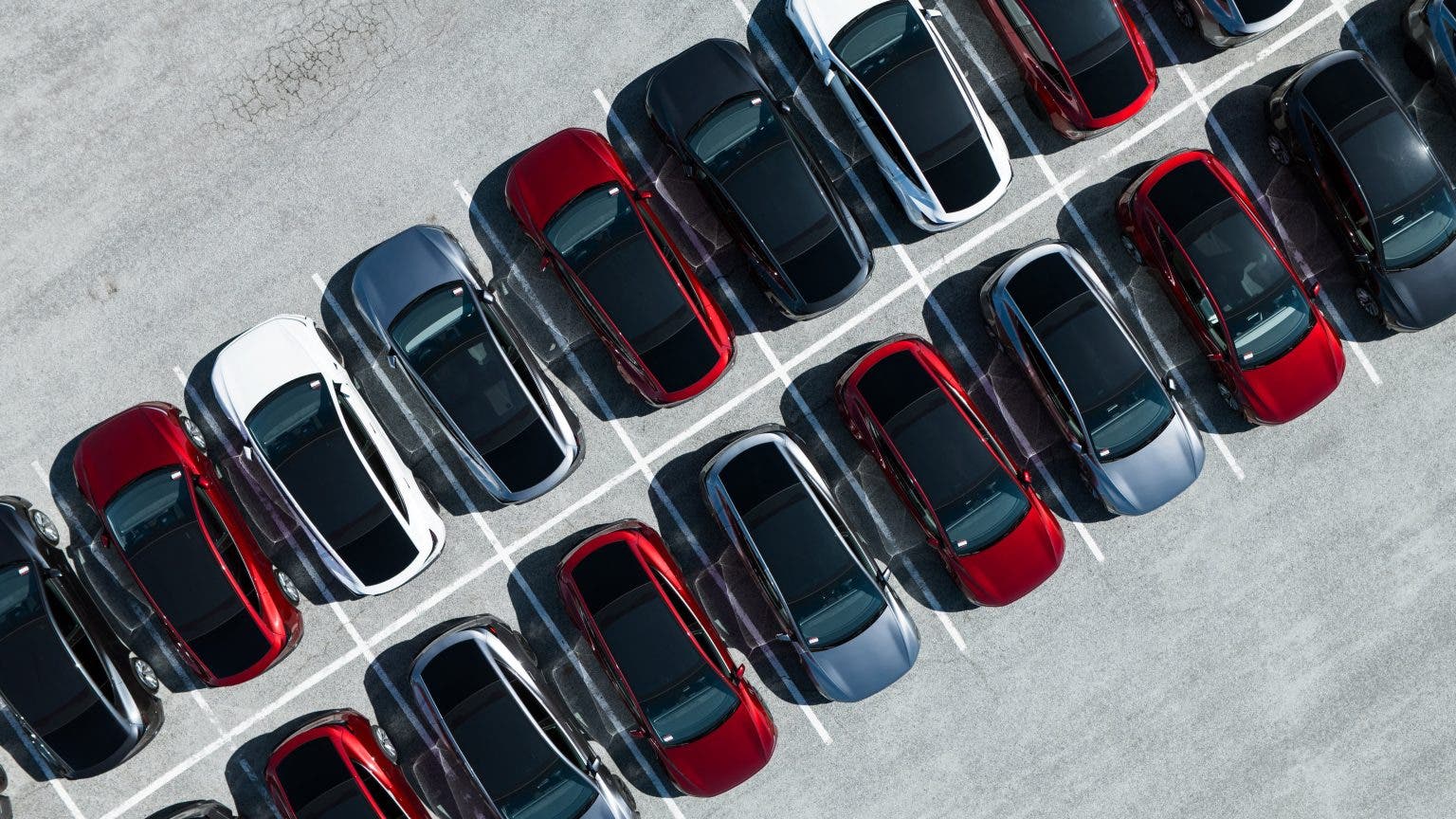
But perhaps the most terrifyingly impressive stat Tesla shared is brand loyalty. According to authoritative industry research, Tesla enjoys a massive 87% customer retention rate, sitting comfortably at the very top of the passenger car food chain. Almost nine out of ten current owners would gladly open their wallets for another Tesla when the time comes. Whether this is due to genuine product superiority or a highly effective form of corporate Stockholm syndrome remains up for debate.