

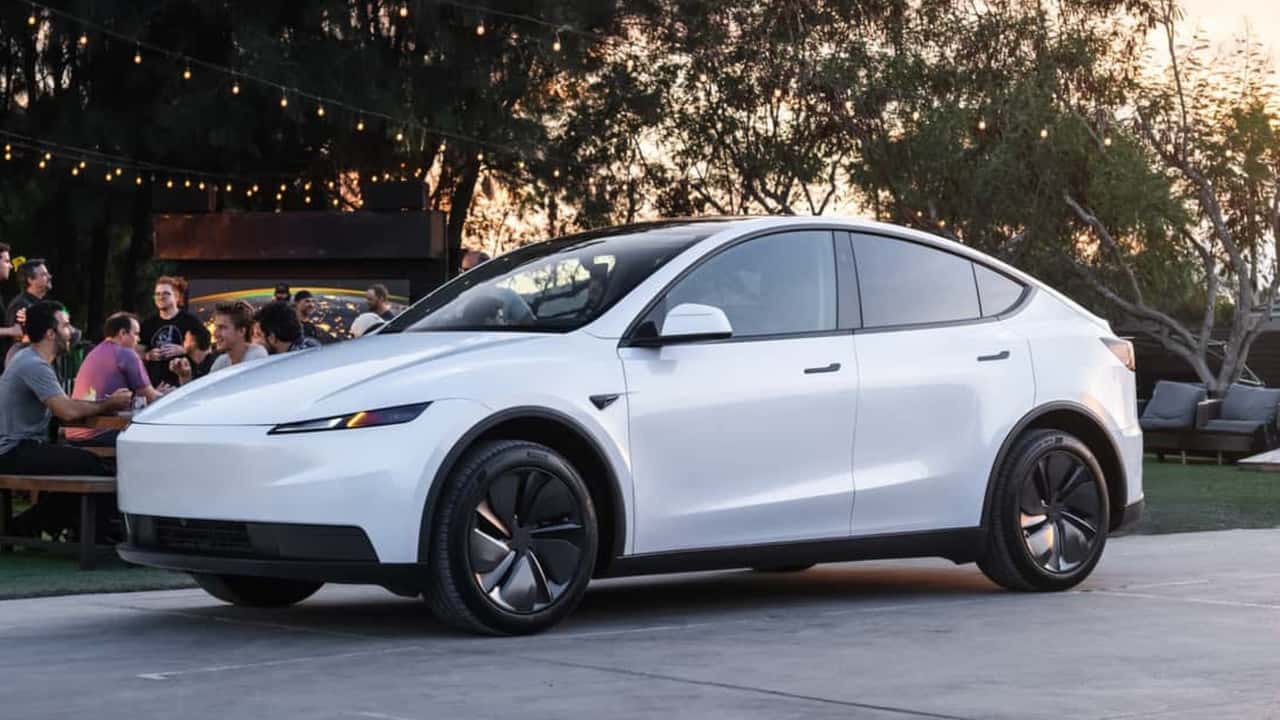
Tesla’s reign over the global electric vehicle market has come to an end. In fact, 2025 marks the definitive overtake by Chinese giant BYD, which has emerged as the new undisputed industry leader with 2.26 million vehicles sold. This shift clearly highlights the growing struggles of the American manufacturer while underscoring the unstoppable rise of China’s automotive industry, now fully capable of outperforming Western pioneers on their own ground.
Tesla loses global EV leadership as BYD becomes the world’s new No.1
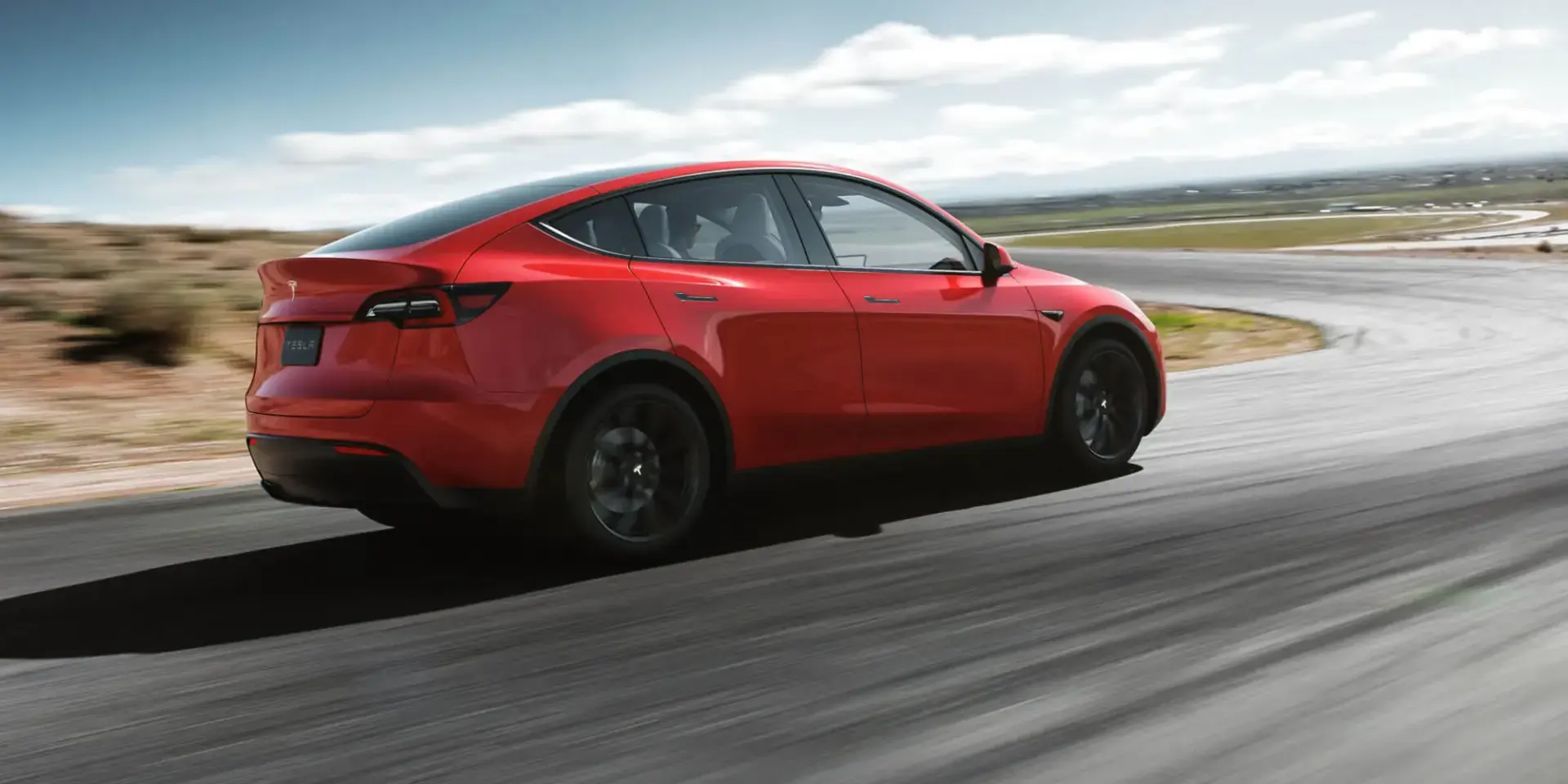
Last year, Tesla sold 1.636 million vehicles, a sharp decline compared with the previous year. Although Elon Musk’s group did not disclose the exact figure in advance, the downward trend became increasingly evident by looking at sales performance in the final months of the year. In particular, the fourth quarter proved especially disappointing, with 418,227 deliveries, representing a drop of nearly 16 percent compared with the same period a year earlier.
The picture looks even more concerning when measured against market expectations. Analysts, despite having already revised their forecasts downward, had anticipated around 449,000 deliveries for the final quarter. Instead, actual results fell well below even the most cautious projections.
Tesla’s difficulties appear most clearly in markets that have traditionally represented its strongest footholds. Deutsche Bank had already forecast a 34 percent collapse in European sales, a prediction that has now materialized. Europe is currently experiencing a broader slowdown in electrification, as consumers grow increasingly cautious due to high prices and ongoing concerns over driving range. At the same time, North America, Tesla’s home market, has not escaped the negative trend, posting an estimated decline of 33 percent.
Meanwhile, the surge recorded in the third quarter, when global deliveries jumped by 7 percent to reach 497,099 units, has proven short-lived. That result was artificially boosted by the impending expiration of a U.S. tax credit, which prompted many buyers to bring forward their purchases. In other words, it was a classic pull-forward effect that merely shifted demand rather than generating sustainable growth, as subsequent results clearly confirm.
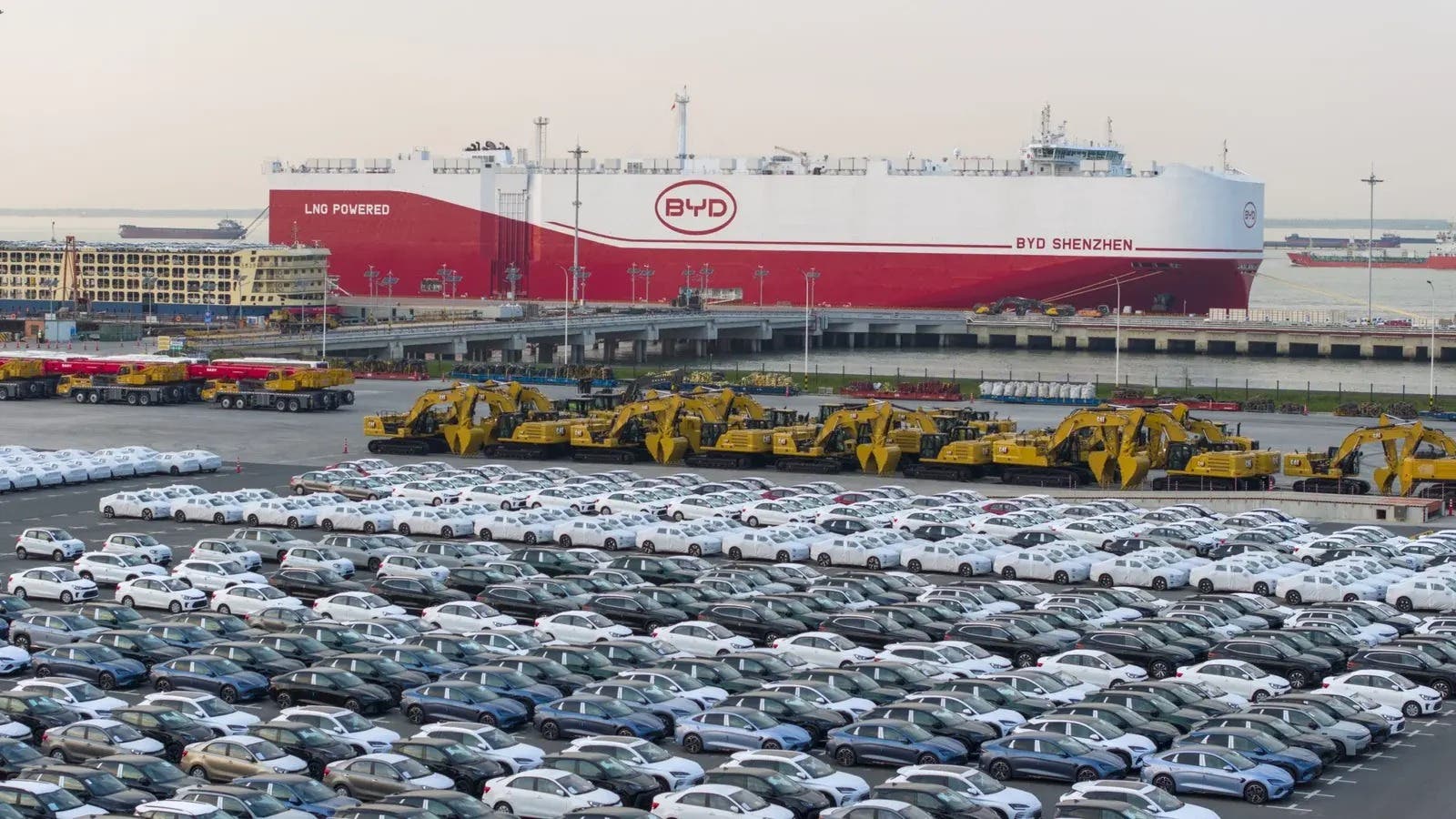
By contrast, BYD has capitalized skillfully on the American brand’s weaknesses. The Chinese manufacturer no longer dominates only its domestic market but is now aggressively expanding its international footprint with an increasingly broad and competitive lineup, both technologically and in terms of pricing. BYD’s ability to offer affordable electric vehicles without sacrificing quality or innovation poses a serious challenge to all Western competitors, not just Tesla.
However, one notable exception stands out: Norway. In the Scandinavian country, where electric vehicle adoption has reached near-total levels for new registrations thanks to extremely supportive government policies, Tesla has recorded a 35 percent surge in sales and has even reclaimed market leadership. This result shows that, when conditions are optimal and the regulatory environment fully supports electrification, Tesla can still maintain significant competitive advantages.
That said, this model remains difficult to replicate elsewhere. Most global markets do not benefit from similarly generous incentives or such an extensive charging infrastructure. As a result, Tesla now faces a far more hostile competitive landscape, where Chinese rivals, backed by lower production costs and substantial government support, can exert pressure that the American business model increasingly struggles to absorb.