

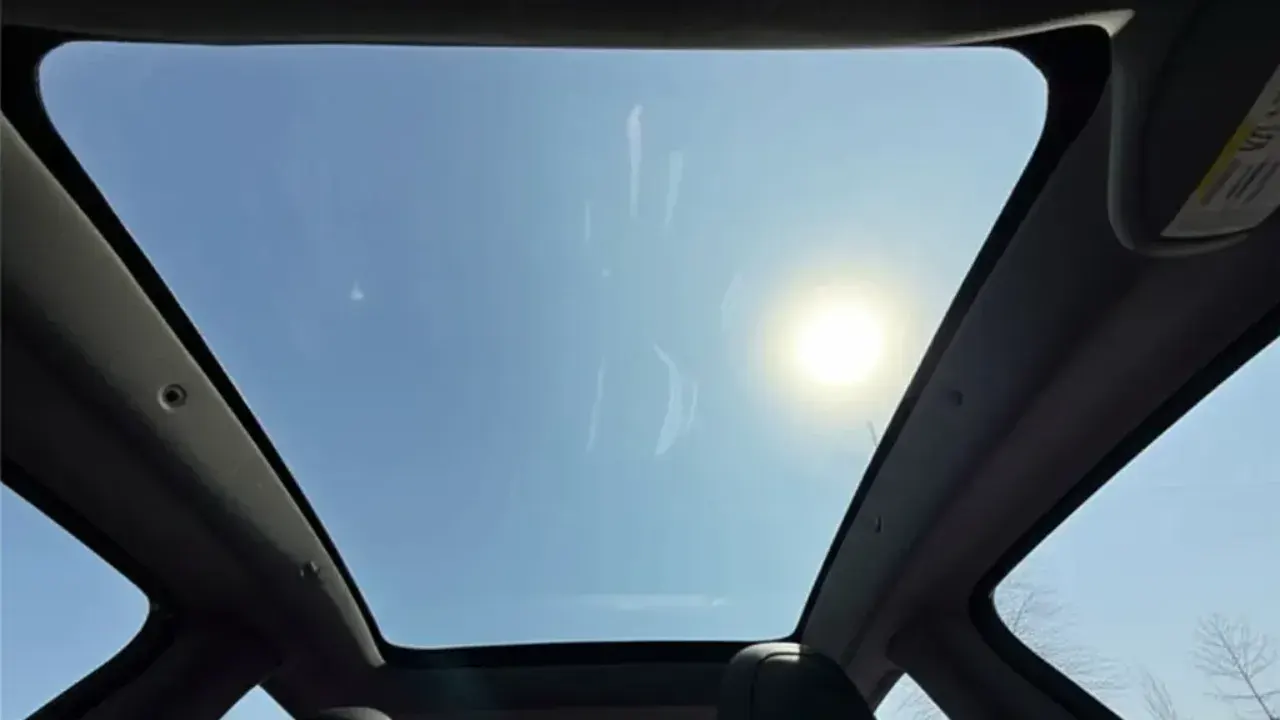
Tesla has long championed these massive glass canopies as a hallmark of futuristic luxury, but owners living in warm climates know the painful truth. You spend half your drive sweating while your climate control wages a losing war against thermodynamics. Fortunately, a newly published Tesla patent, titled “Airflow Optimization for Cabin Comfort”, reveals that Austin is finally acknowledging that its stunning glass roofs are essentially roasting passengers alive.
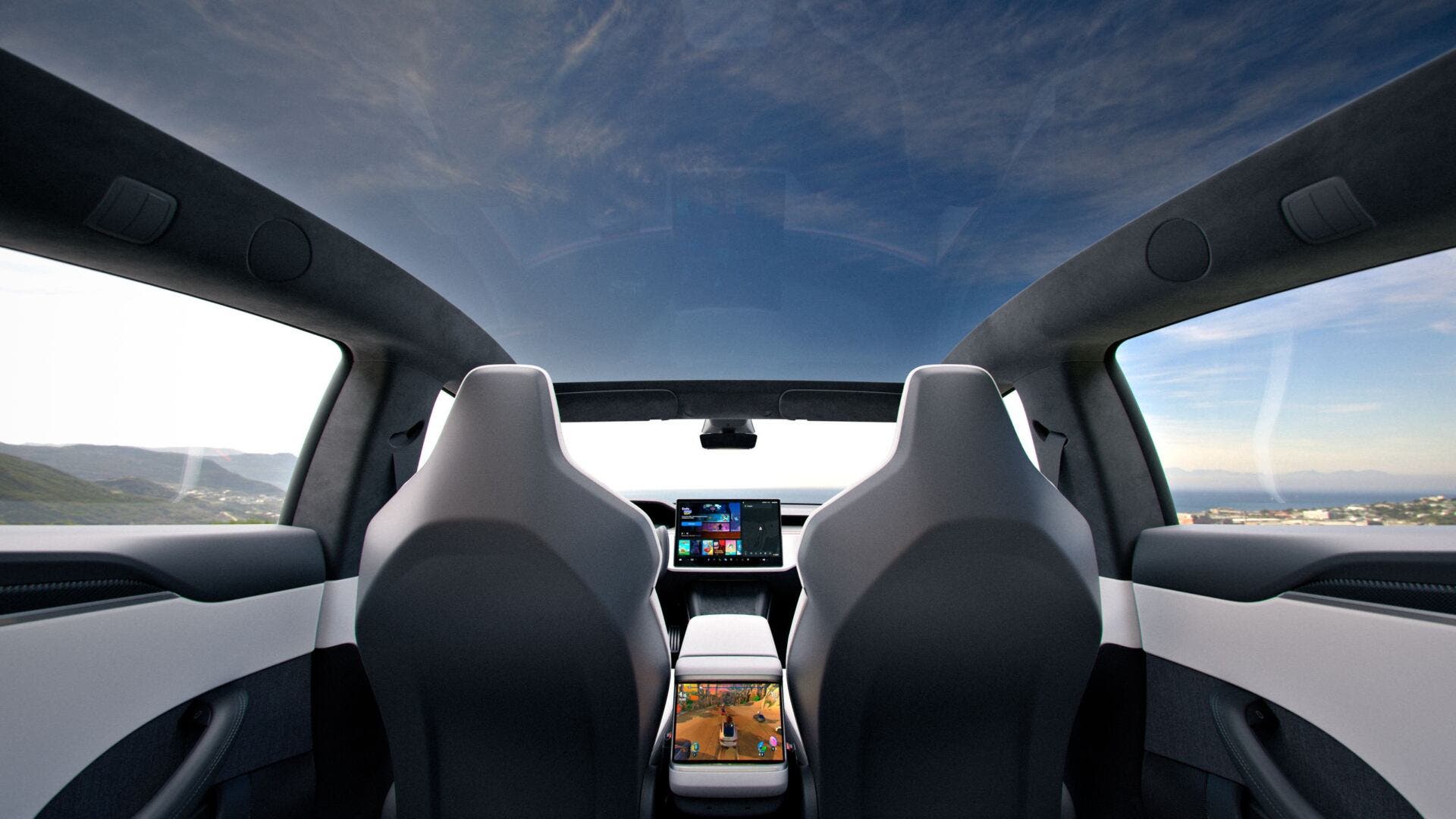
The core issue stems from localized hot air pockets. Intense solar radiation filters through the windshield and panoramic roof, creating severe temperature gradients near the dashboard and headliner. Standard HVAC units try to fix this by blasting cold air upward, which ironically sucks the stagnant hot air back down, distributing it across the cabin and forcing the fans to run at maximum, battery-draining speeds.
Where every single watt dictates your survival between charging stations, this inefficiency is a luxury you cannot afford. In fact, research from the AAA indicates that blasting the air conditioning in scorching weather can slash an EV’s total driving range by up to 17%.
Tesla’s proposed solution changes the game by extracting the heat directly at the source rather than attempting to dilute it later. Borrowing a philosophy reminiscent of its acclaimed heat pump tech, the design incorporates an intake HVAC unit connected to dedicated extraction vents strategically placed on the upper dashboard and inside the roof liner. When real-time smart controls detect intense sunlight, an extraction duct sucks the blistering air straight into the system’s plenum, filtering and cooling it before redistribution.
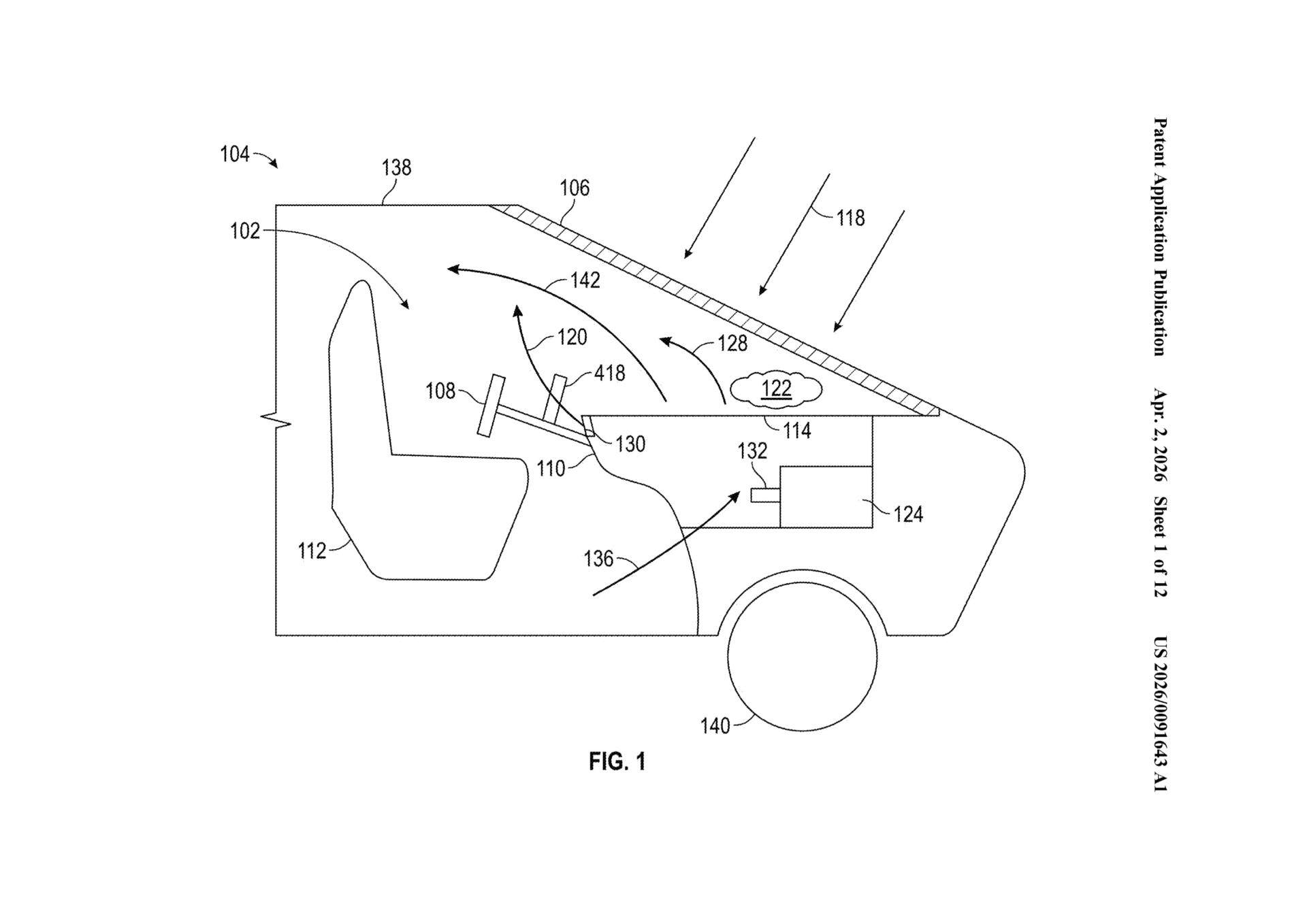
The data from Tesla’s test runs is revealing: facial temperature gradients plummet from a stifling 21 degrees Celsius (69.8 degrees Fahrenheit) in conventional setups to just 12 degrees Celsius (53.6 degrees Fahrenheit). This drastically lowers compressor demand and fan speeds, saving crucial battery life. Even better, the system pulls double duty by reversing in the winter to direct warm air outward for quick windshield defrosting.