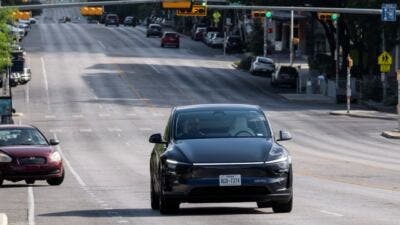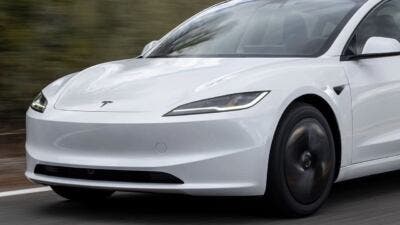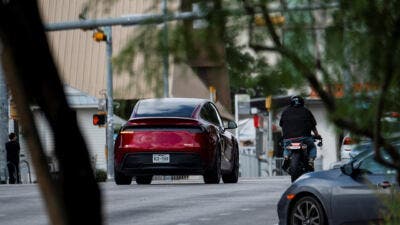
After years of ambitious predictions, missed “Autonomy Day” deadlines, and seemingly infinite iterations of Full Self-Driving (FSD) software, the moment has finally arrived. A Tesla vehicle has been spotted roaming the public roads of Austin, Texas, completely empty. No driver in the captain’s chair, no safety monitor in the passenger seat.
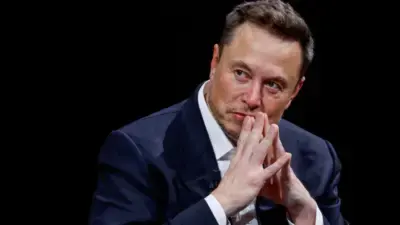
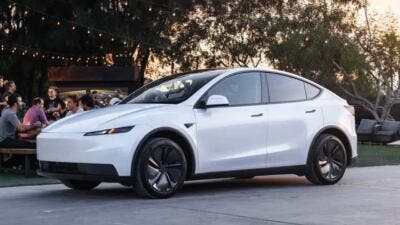
Elon Musk swiftly confirmed the sightings on X: “Robotaxi testing is underway without any occupants in the car”. On the surface, this is undeniably an exciting leap forward for Tesla’s autonomy ambitions. The vehicle, appearing to be a purpose-equipped Model, navigates city streets with the wheel turning by itself.
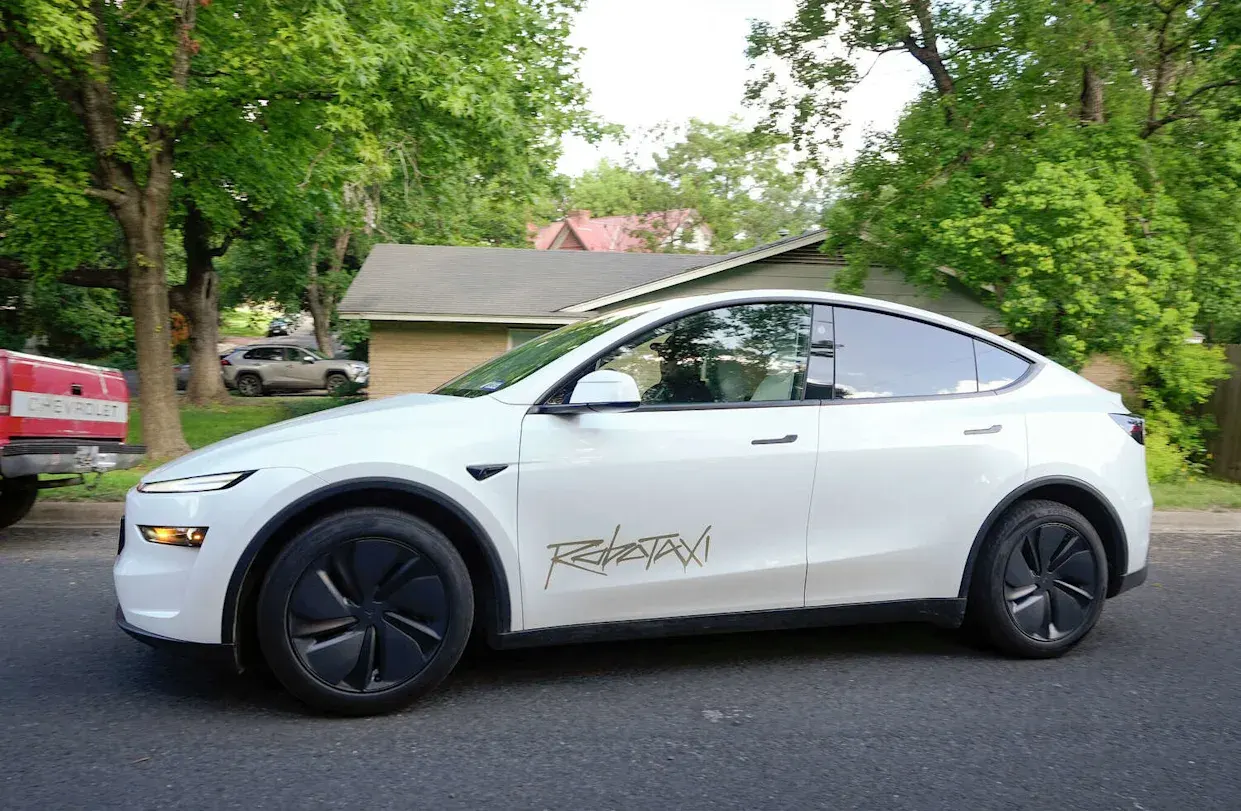
This tangible progress validates the faith of many Tesla owners who invested in the FSD promise years ago, suggesting the company has finally achieved sufficient internal confidence in its latest Robotaxi configuration to eliminate human supervision.
However, the transition from supervised testing to driverless operation is a terrifying act of faith, given the complete lack of verifiable safety data provided by the company. To date, Tesla has refused to release comprehensive, granular data, the kind of detailed disengagement reports that competitors like Waymo share with regulators and the public, to definitively prove that its FSD system is safer than a human driver. Instead, we are given curated video clips, anecdotal evidence, and high-level statistics about “miles driven”.
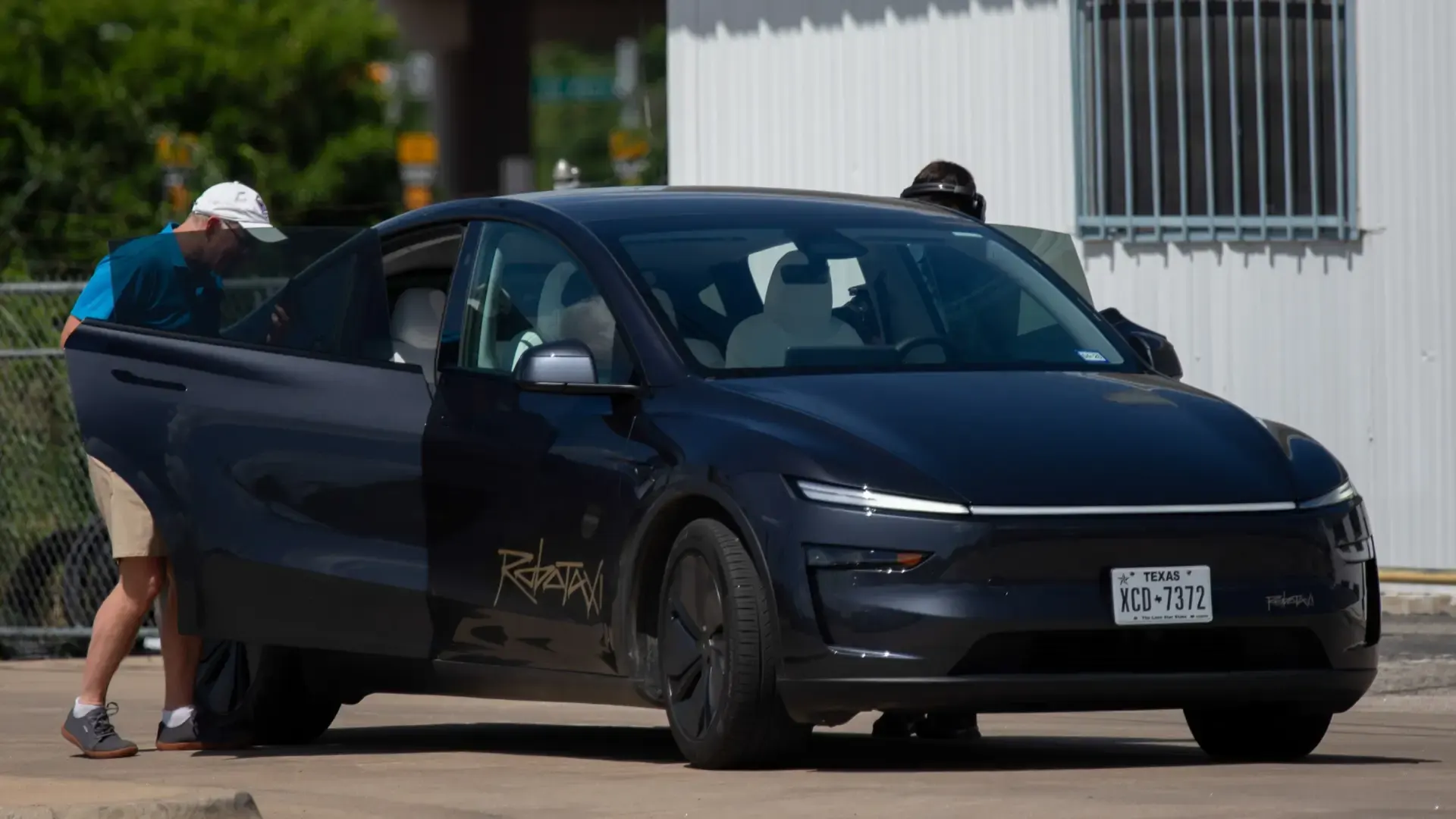
In stark contrast, the limited data that regulators do have, based on incident reports filed with the NHTSA concerning Advanced Driver Assistance Systems (ADAS) and Automated Driving Systems (ADS), paints a troubling picture. Those reports previously suggested that Tesla’s Robotaxi test vehicles were involved in one crash approximately every 62,000 miles. This frequency is significantly higher than the average human driver, despite the safety monitor being present specifically to prevent incidents.
Despite this alarming backdrop, CEO Elon Musk declared just last week that he expects Tesla’s Robotaxi service in Austin to be operating completely without safety monitors within three weeks.