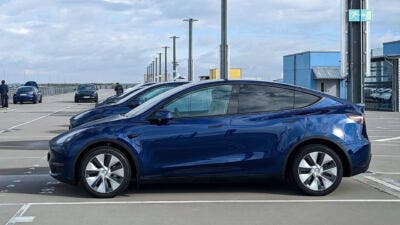
Tesla is preparing to release its first-quarter 2026 results tomorrow, April 22, after the close of Wall Street trading, in a context where the operating data already available has lowered part of the expectations the market had built around the group’s start to the year.
Tesla heads into first-quarter earnings with rising inventory and growing pressure
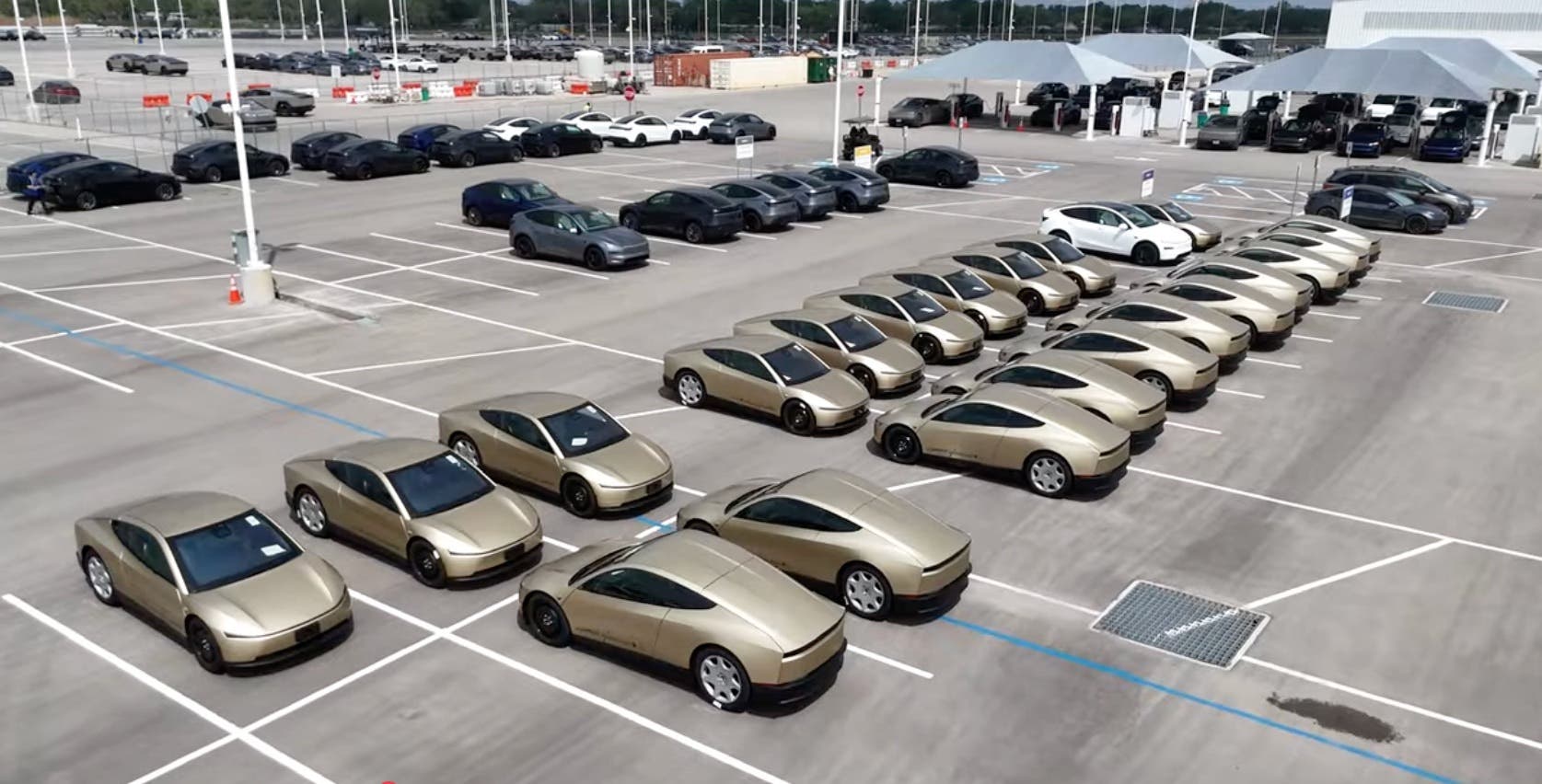
Quarterly deliveries reached 358,023 vehicles, below analyst expectations of about 365,645 units. That still represents 6.3 percent growth compared with the same period of 2025, but the comparison looks inflated because last year’s first quarter suffered from production stops tied to the Model Y refresh. The figure that has drawn the most attention is the gap between production and deliveries, with more than 50,000 vehicles built but not yet sold. That stock buildup could point to demand that looks weaker than the year-over-year growth rate suggests.
The energy-storage business, which in previous quarters had helped offset pressure on Tesla’s automotive operations, slowed sharply. Tesla deployed 8.8 GWh of storage systems, down 38 percent from 14.2 GWh in the fourth quarter of 2025 and below analyst estimates, which had ranged between 12 and 14 GWh.
On the financial side, market consensus points to revenue of around $22.3 billion, while the average estimate collected by Tesla itself stands at $21.4 billion. In both cases, that would mark an improvement over the $19.34 billion recorded a year earlier, but a decline from the $24.9 billion posted in the previous quarter. For adjusted earnings per share, expectations range from $0.33 to $0.37, up from $0.27 in the first quarter of 2025.
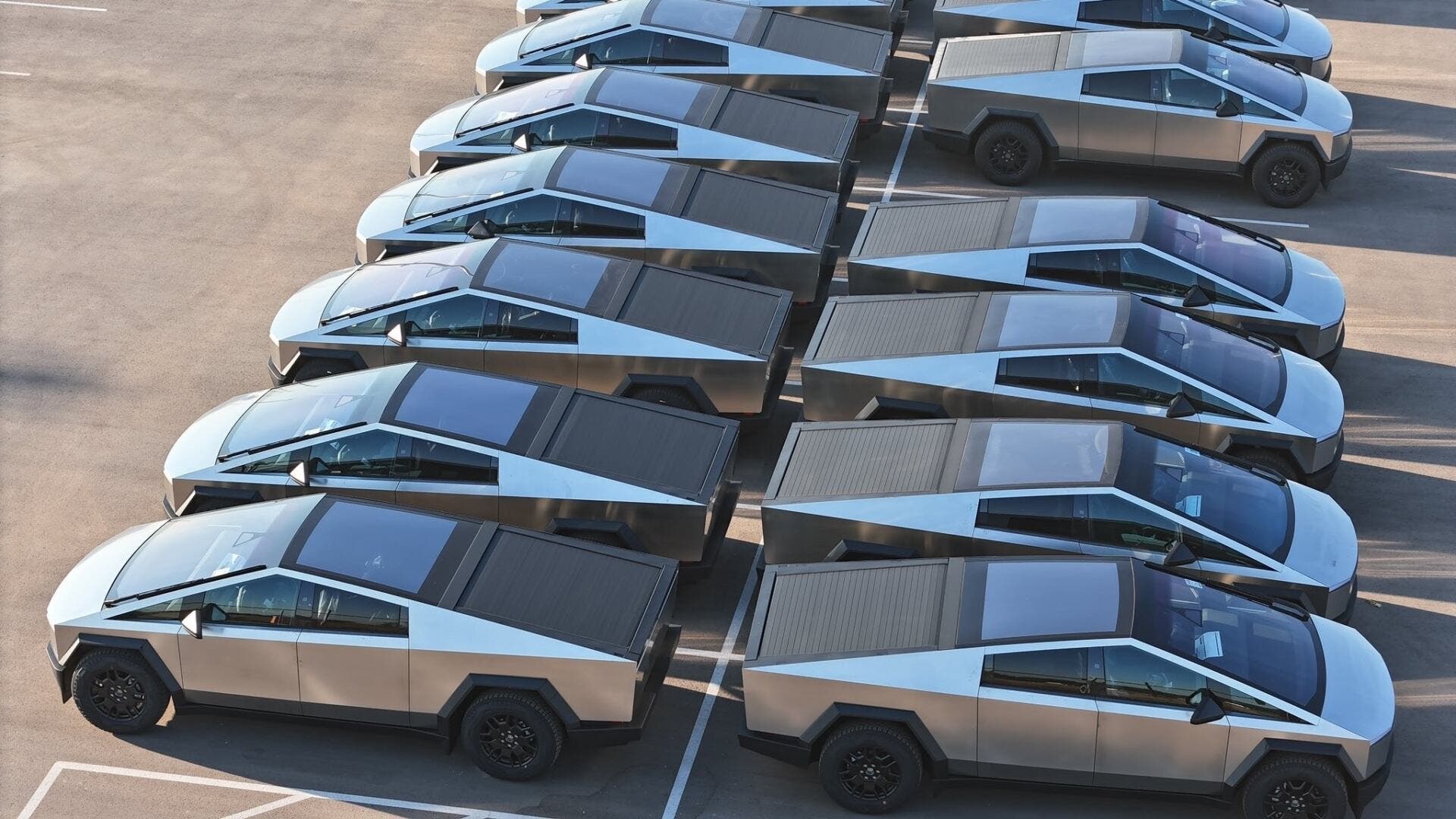
One of the most closely watched indicators will be gross margin in the automotive division, which has been under pressure for some time because of price competition in Tesla’s main markets and because of the aggressive commercial strategy the company has used to support volume. If the margin falls below 17 percent, it would add more pressure to the profitability picture of the segment that still generates most of Tesla’s total revenue.
Management continues to steer the narrative toward robotaxis, autonomous driving, and the Optimus robot, but the April 22 earnings report will be judged above all on Tesla’s ability to work down the inventory it has built up, stabilize margins on sold vehicles, and bring the energy business closer to the peaks it reached in 2025. The market will use those operating fronts to judge the group’s short-term strength, regardless of the promises tied to its longer-term programs.