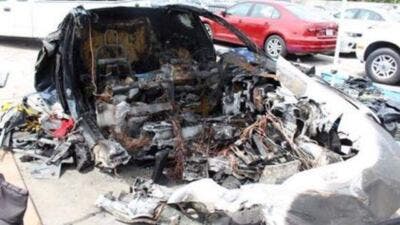
Physics is a cruel mistress. When 4,000 pounds of Silicon Valley’s finest hits a concrete wall at 116 mph, the result is a tragedy. Tesla, a company that prides itself on being a software firm that happens to build cars, just learned that you can’t always “patch” a lawsuit as easily as a glitchy infotainment system. On the eve of a trial in Broward County, Tesla chose the quiet dignity of a confidential settlement over the unpredictable circus of a jury.
In 2018, Barrett Riley, an 18-year-old with a lead foot and a fresh speeding ticket, had his Tesla Model S fitted with a digital leash, a speed limiter capped at 85 mph. His father, trying to be the responsible “nanny” for his son’s adrenaline, thought the tech would protect him. But according to the lawsuit, a Tesla technician at a service center played God with the settings, removing the limiter without parental consent. It’s the ultimate “original sin” of the connected car era.
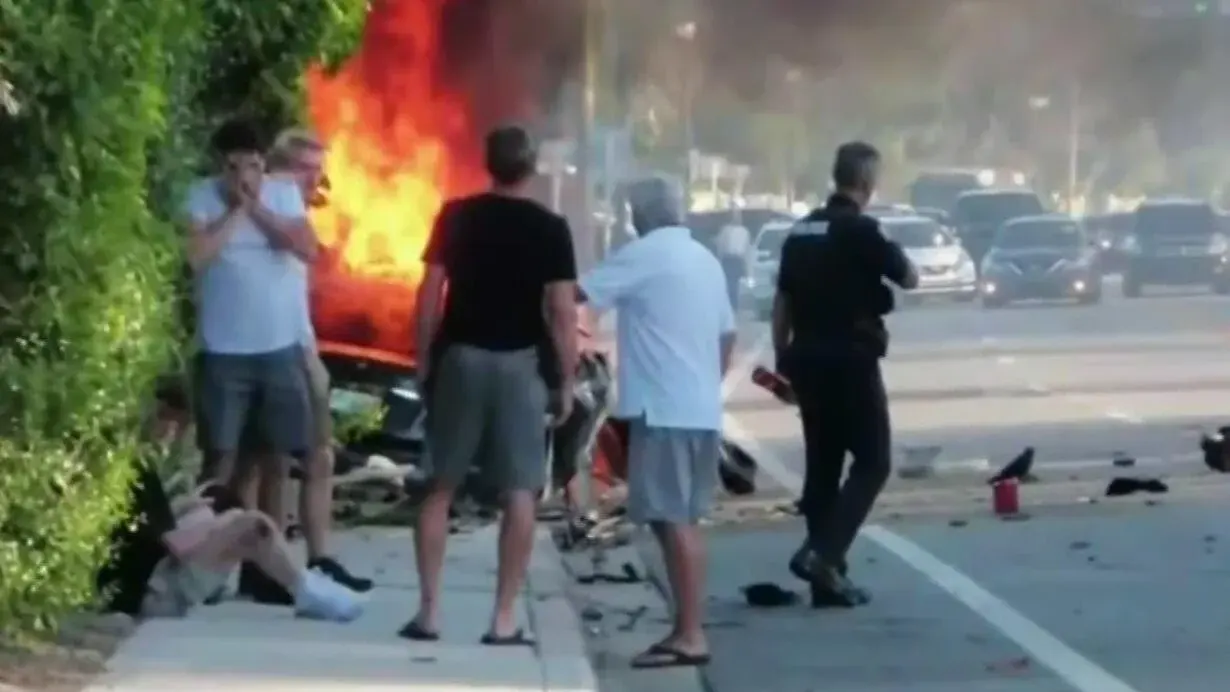
The result was a fireball on the A1A in Fort Lauderdale that claimed two young lives. Tesla’s legal defense has always been a masterpiece of muscular deflection, arguing that 116 mph is “reckless” with or without a software cap. And while they managed to dodge a bullet in a previous trial, the family of the passenger, Edgar Monserratt Martinez, presented a different moral calculus. A passenger has no steering wheel; they are just along for the ride in a cockpit that turned into a furnace.
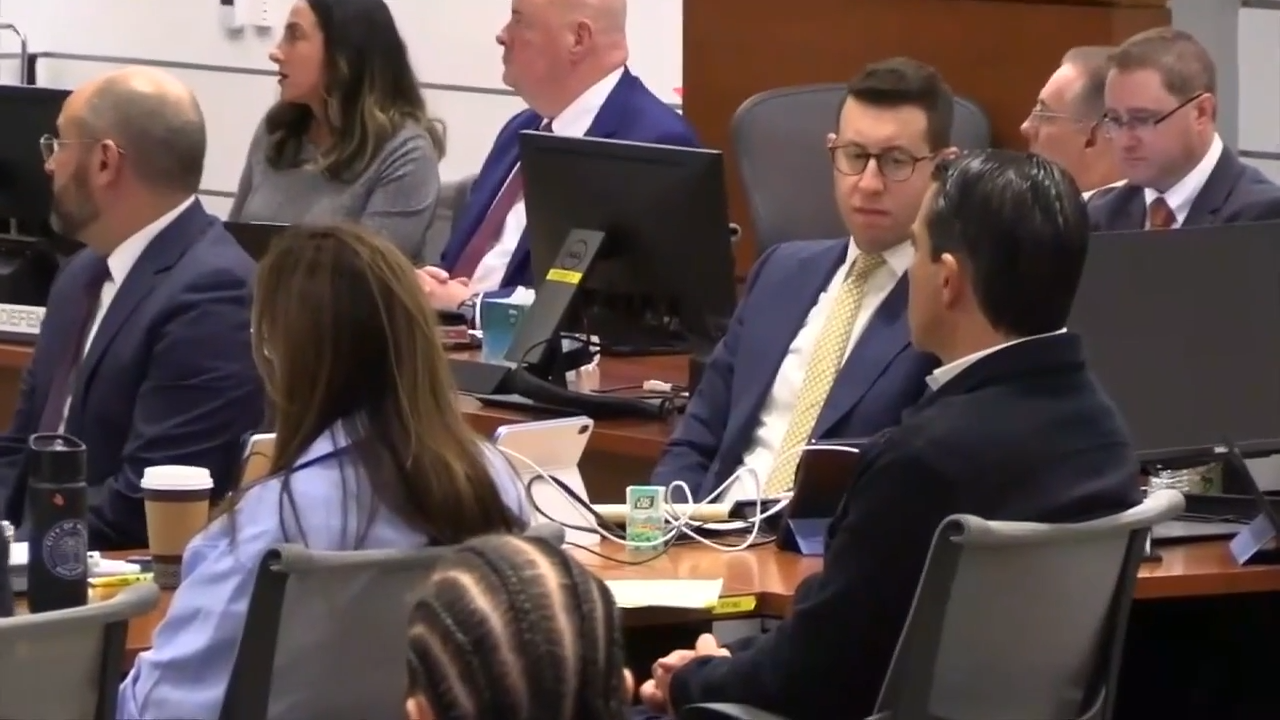
Tesla’s current strategy seems to be a “valzer of uncertainty”. With a staggering $14.5 billion in potential legal exposure across 20 ongoing cases, the company is treating settlements like mandatory OTA updates. They’d rather pay a secret sum than risk another Miami-style judgment where a jury decides that the “Autopilot” dream is actually a nightmare.
Tesla even dedicated its “Speed Limit Mode” software to the memory of the very driver who died. It’s a classic move from the Elon Musk playbook: turning a fatal failure into a marketing feature, proving that in the world of high-stakes automotive tech, the only thing faster than a Model S is the speed at which the legal team writes a check to keep the silence golden.