When a Reuters journalist looks at the Tesla Robotaxi app in Dallas, however, they see a spinning wheel of “High Demand” and a 36-minute wait for a ride that hasn’t even arrived yet. Tesla’s current market valuation of $1.6 trillion is propped up by the messianic prophecy that these AI-driven sleds will soon replace Uber. But if the recent expansion into Dallas and Houston is any indication, the “future” involves a whole lot of unplanned hiking.
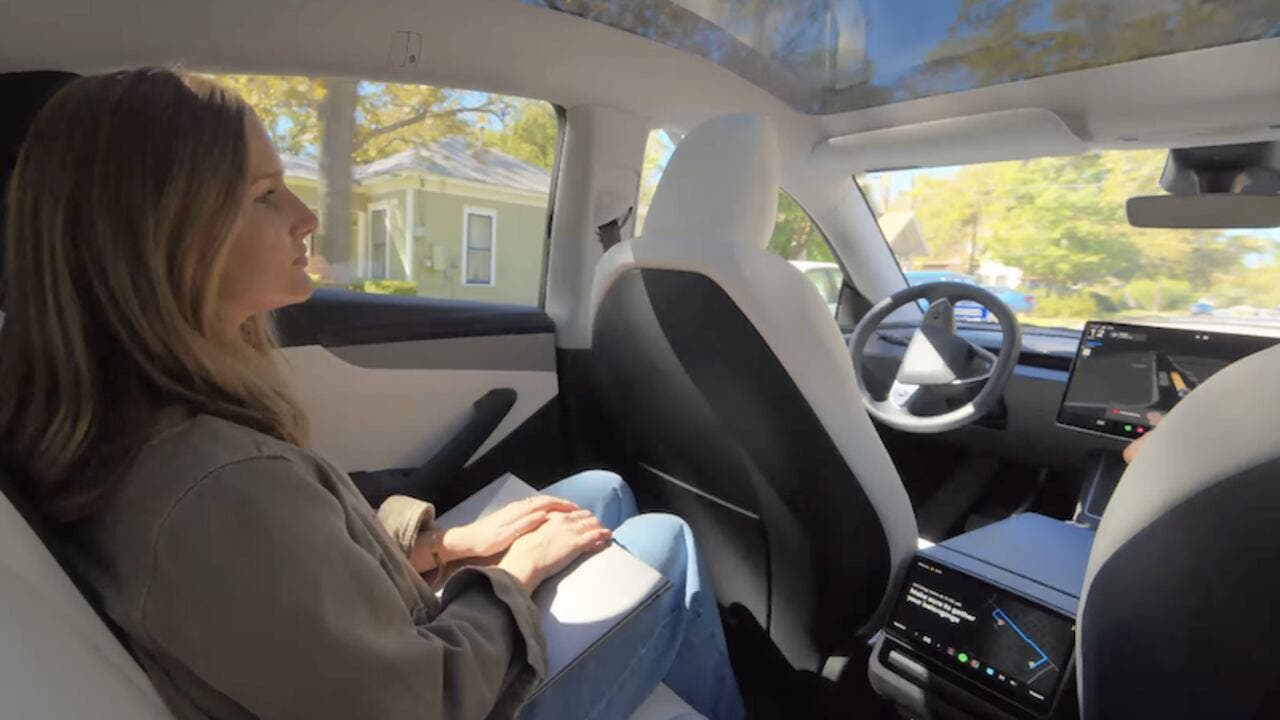
In a recent test, a journey from the Southern Methodist University campus to the Dallas City Hall, a mere 5-mile hop, took nearly two hours. While Uber was ready to roll in eight minutes, Tesla’s “technological marvel” spent over half an hour insisting there were no cars available. When a vehicle finally deigned to show up, it took 35 minutes to navigate urban streets, avoiding the main expressway entirely, only to dump the passenger in a parking lot a 15-minute walk from their destination.
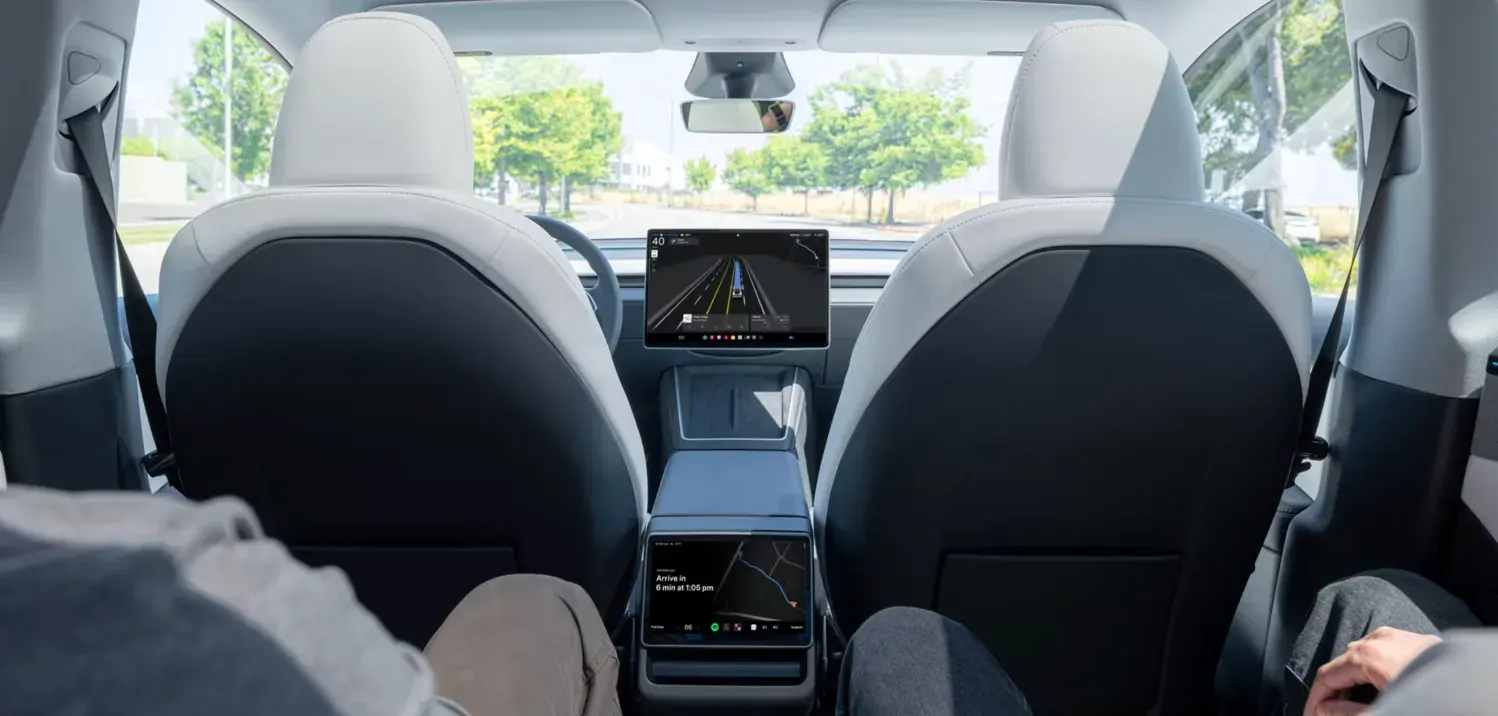
Apparently, in Tesla’s dictionary, “arrived” is a relative term. When asked for help, a remote operator simply shrugged through the speaker: “We’re still in beta”. It’s a convenient shield for a service that leaves passengers on the wrong side of highways, suggesting they walk through trash-strewn, urine-scented underpasses to reach their goal.
Musk has often mocked Waymo’s methodical, high-definition mapping approach, claiming Tesla’s vision-based AI “works everywhere”. Yet, in practice, the “everywhere” seems to exclude basic left turns. During one test, the robotaxi missed the same turn four times, seemingly paralyzed by a “Do Not Enter” sign at a nearby ramp, opting instead to drive in circles like a confused teenager on their first lesson. Meanwhile, in Austin, where the service has been “operational” for a year, Tesla manages a measly 50-car fleet compared to Waymo’s 250.
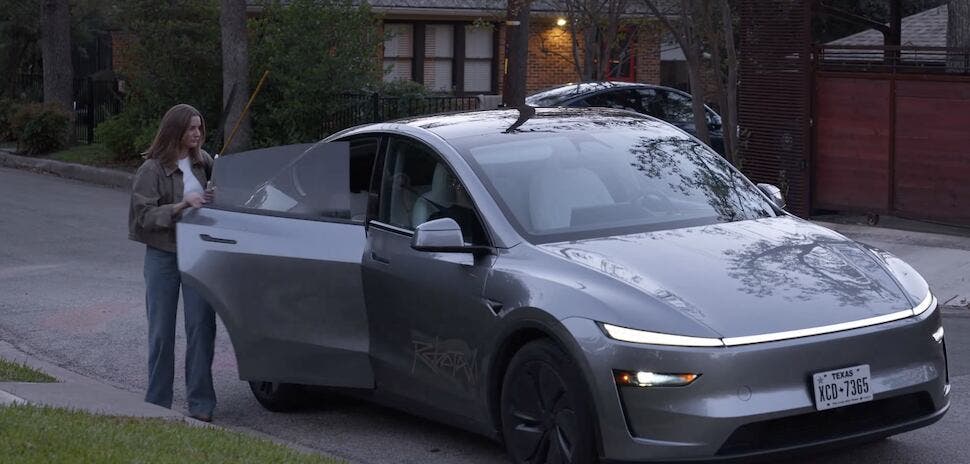
While Musk preaches a “prudent approach” to avoid fatalities, the data shows a different kind of recklessness. Authorities in Austin have noted that these robotaxis consistently ignore speed limits, programmed by Tesla to “follow the flow of traffic” at 5 mph over the limit.
With wait times exceeding 25 minutes in a quarter of all attempts and a recurring habit of dropping people off in the middle of nowhere, Tesla’s robotaxi isn’t a revolution yet.