About AI chips, Nvidia has long held the throne by refreshing its tech every year, a pace that makes most semiconductor companies sweat. AMD recently decided to mimic this annual sprint, but Elon Musk, never one to be outdone in the department of “extreme deadlines”, wants to go even faster. The stated goal for Tesla is to churn out a brand-new AI processor every nine months.
Musk has publicly confirmed that the AI5 chip is nearing completion, while AI6 is already in early development. The roadmap doesn’t stop there. It stretches all the way to AI9. The ultimate ambition is to build a massive TeraFab and eventually go toe-to-toe with Nvidia. However, while Nvidia sells to everyone from gamers to governments, Tesla operates in the high-stakes, highly regulated automotive sandbox.
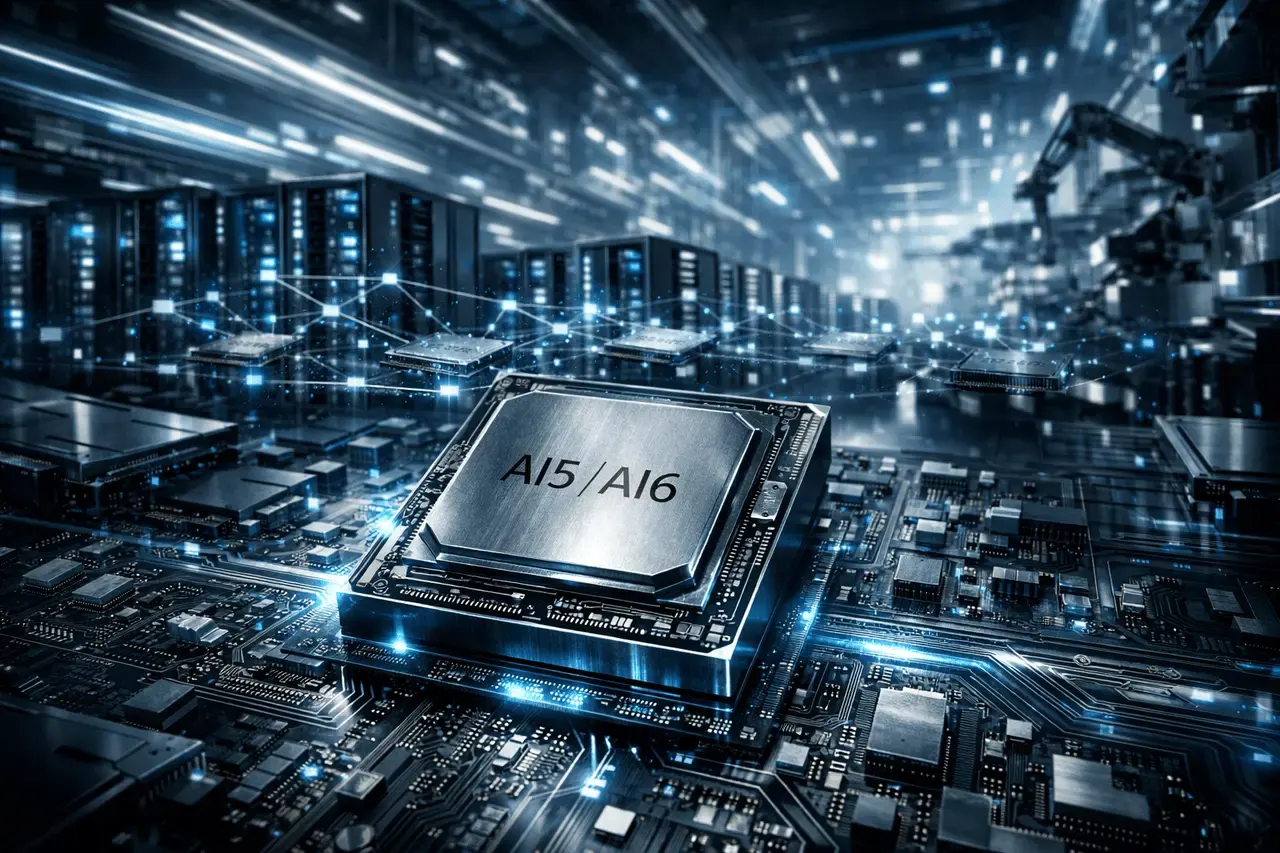
A chip used in ADAS and autonomous driving must be bulletproof. Tesla has to navigate the treacherous waters of ISO 26262 safety standards, complex validation scenarios, and rigorous cybersecurity requirements. This makes a nine-month design cycle sound less like a plan and more like a dare. The only way this timeline remains realistic is if generations like AI7, AI8, and AI9 are incremental evolutions rather than radical reinventions. To stay on schedule, the architecture, memory hierarchy, and programming models will likely have to stay remarkably similar.
Fortunately for Musk, the automotive and robotics sectors are surprisingly well-suited for this “conservative evolution”. Long lifecycles and locked interfaces mean Tesla can iterate frequently without breaking everything. Plus, Tesla enjoys the ultimate luxury of vertical integration: they are their own only customer. This simplified relationship allows them to manage multiple generations of development simultaneously without having to explain themselves to anyone else.
It remains to be seen if this frantic pace will actually topple Nvidia, but it certainly ensures that the Tesla engineering team won’t be getting much sleep between now and the release of AI9.