In the first quarter of 2026, Tesla reported $22.38 billion in revenue, up 16 percent from the same period a year earlier, and gross profit of $4.72 billion, compared with $3.15 billion in the first three months of 2025. Deliveries, by contrast, stopped at 358,023 vehicles, a figure up 6 percent year over year but down from the previous quarter, confirming that the group is trying to move away from a pure volume-driven logic and build profitability that depends less on the number of cars delivered.
Tesla is making more money with fewer cars, and Q1 2026 helps explain why
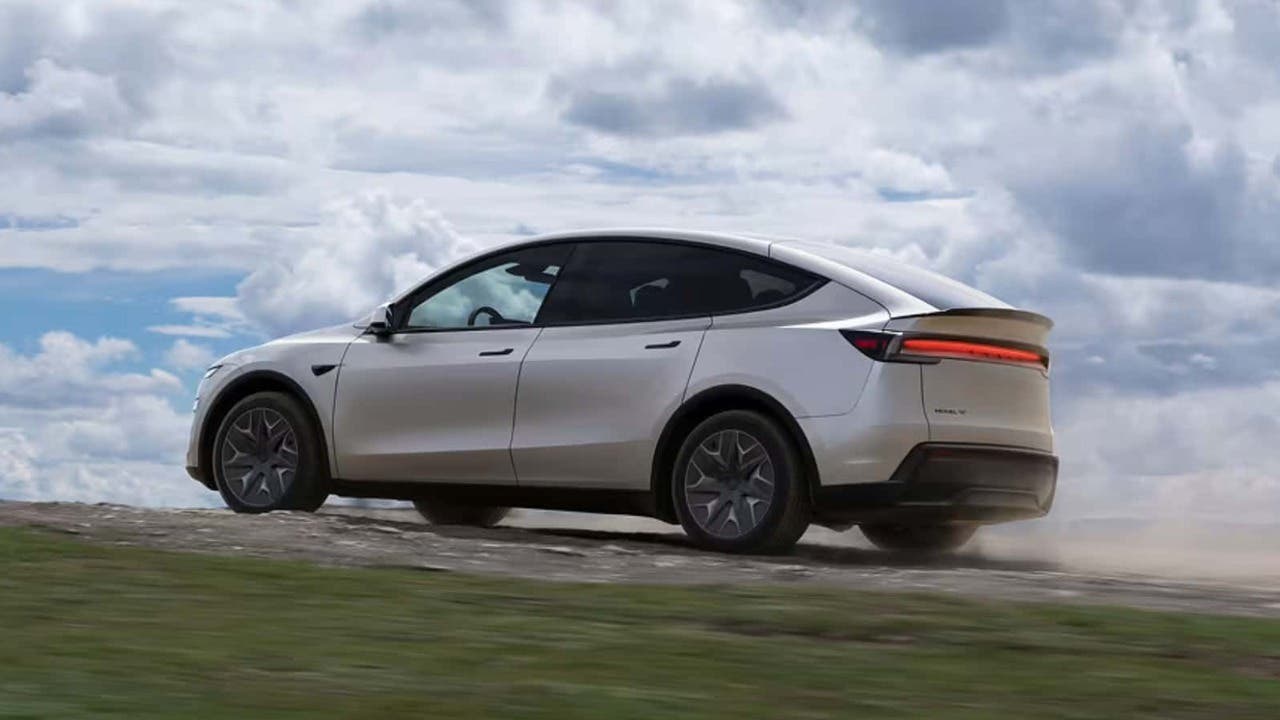
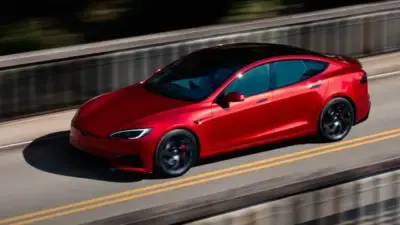
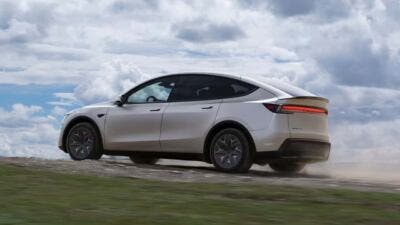
Tesla is no longer building its expansion only on volume growth, but on a revenue structure in which sales mix and services are taking on a larger role. Higher-margin models and configurations helped lift the average price per vehicle, allowing the group to bring in more money even without a proportional increase in registrations. That marks a break from the period when the priority was gaining market share at almost any cost.
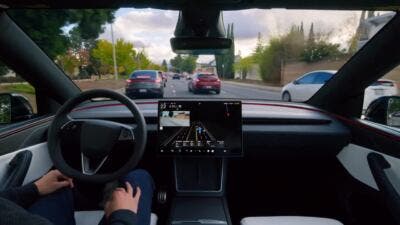
FSD, or Full Self-Driving, has now reached 1.28 million users across direct package purchases and monthly subscriptions, and those recurring revenues are helping strengthen the business model compared with the past. For Tesla’s financial structure, software that can generate cash flow independently of the number of vehicles delivered is worth as much as, and perhaps more than, an entire vehicle segment.
Tesla also noted that the quarter benefited from some one-off items tied to warranties and accounting adjustments in the automotive division, and that the results do not include any benefit from possible reimbursements linked to U.S. tariffs that have recently come back into question, a detail the market watched closely given how sensitive the issue had become in the weeks before the release.
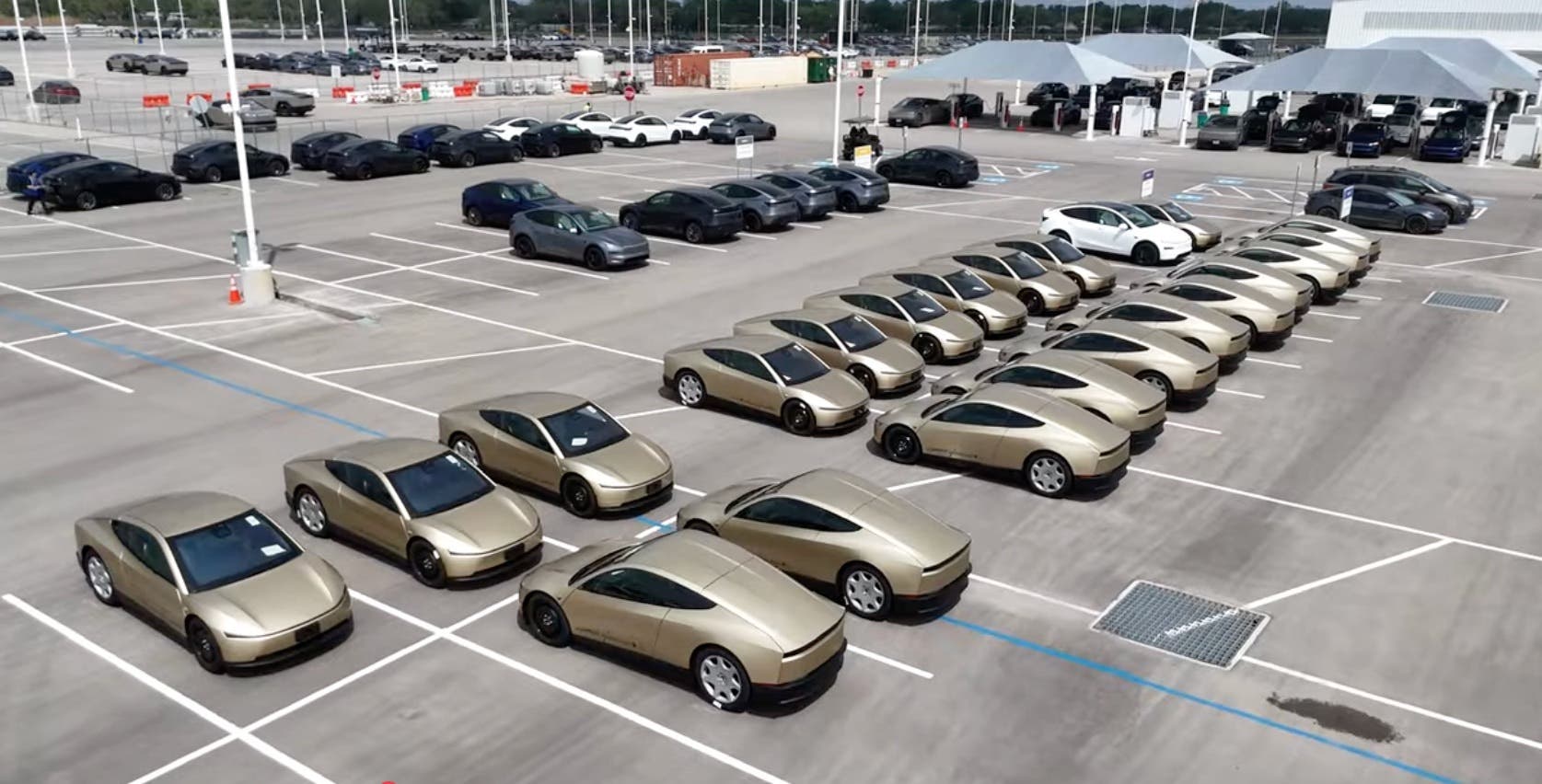
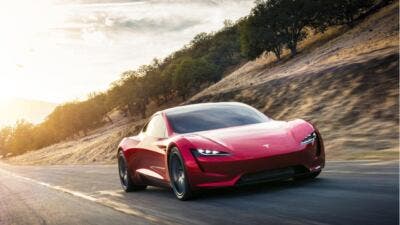
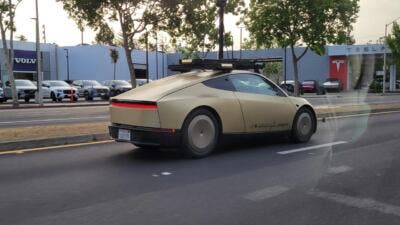
At the same time, the group continues to invest in artificial intelligence, robotics, and autonomous driving. The Optimus humanoid robot remains one of the projects most closely watched by analysts, while the Cybercab, designed for autonomous transport, and the Semi, Tesla’s electric truck, are already moving toward production in what the company describes as a fully operational phase. The Roadster 2, by contrast, appears only briefly in the quarterly report, confirming that the model remains in the background for now, even though a presentation is expected soon.
The first-quarter numbers therefore describe a company that is trying to increase profitability by gradually shifting more weight toward software, subscriptions, and high-margin products, building a revenue architecture that is moving closer and closer to that of a technology company rather than a traditional automaker.