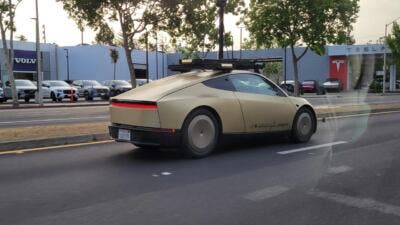
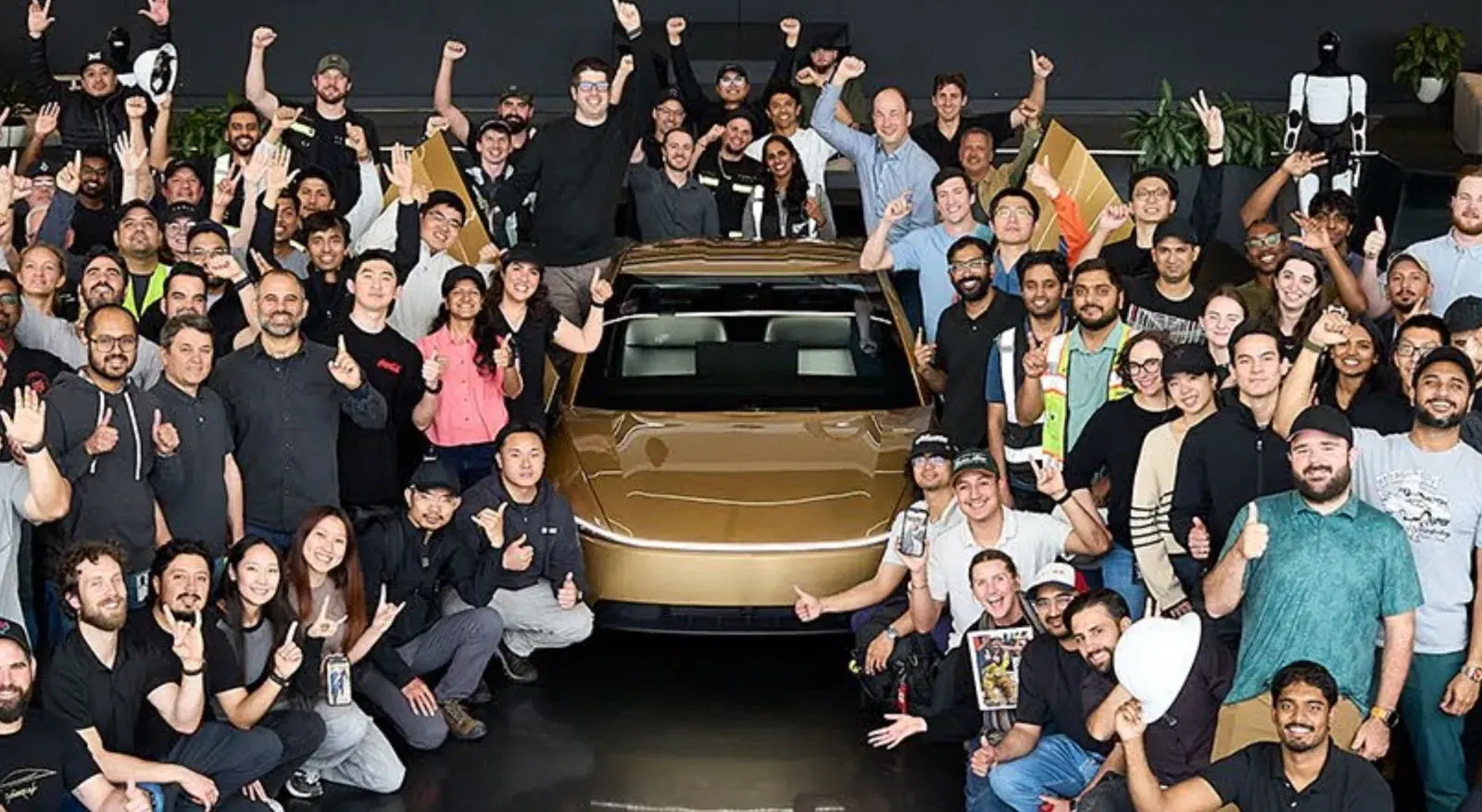
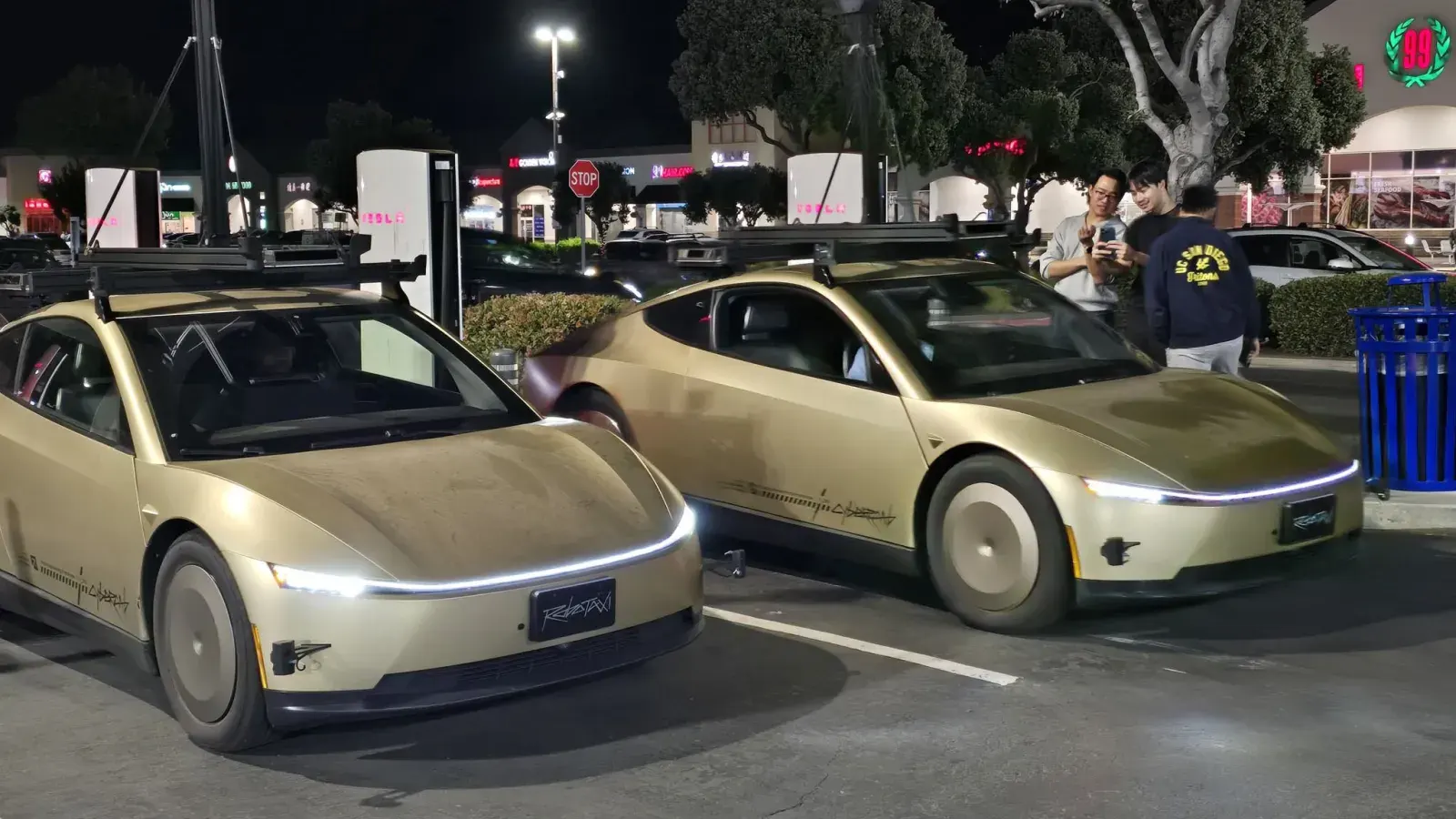
If there’s one thing Elon Musk excels at, it’s making the impossible look like a simple paperwork error. During the Q1 2026 earnings call, the Tesla oracle confirmed that the Cybercab is officially rolling off the assembly lines at Giga Texas.
The real headline isn’t just the car itself. It’s how Tesla managed to give the metaphorical middle finger to the NHTSA’s usual 2,500-unit production cap for autonomous vehicles. While competitors like Waymo and Cruise are stuck begging for federal exemptions, Tesla’s VP of Vehicle Engineering, Lars Moravy, had a much shorter answer when asked if they were bound by those limits: “No”.
The strategy is pure Tesla: self-certification. By designing the Cybercab to meet existing Federal Motor Vehicle Safety Standards (FMVSS) without needing waivers, Tesla is treating its steering-wheel-less robotaxi like a common Toyota Camry or a Ford F-150.
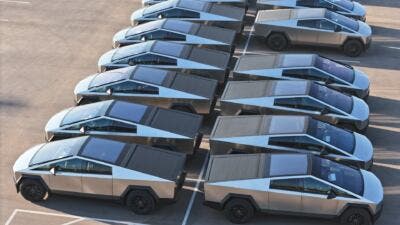
Aerial shots of Giga Texas have already captured units sporting official federal compliance stickers, proving that Tesla has found a way to bypass the red tape that has strangled the rest of the industry. If this legal maneuver holds up, the ongoing congressional debate over the SELF DRIVE Act, which aims to raise the cap to 90,000 units, becomes nothing more than background noise.
Musk warned of the dreaded “S-curve” production ramp. While the first wheel-less units crawled out in February, steady production only just began this month. Musk’s grand vision is that the Cybercab will eventually represent the “vast majority” of Tesla’s output, catering to the 90% of trips taken by only one or two people.
The hardware is ready, but the brain is still in remedial school. Musk claims “unsupervised” FSD will arrive by Q4, a promise we’ve heard on a loop for nearly a decade. Current data is sobering, showing Tesla’s autonomous fleet crashing four times more often than human drivers, once every 57,000 miles compared to the human average of 229,000. Musk even admitted the software still gets “scared” or stuck in infinite loops.
To add a final layer of irony, the people actually building the dream are fleeing the ship. Since February, the program has lost its head of vehicle programs, the director of OTA infrastructure, and the head of assembly.