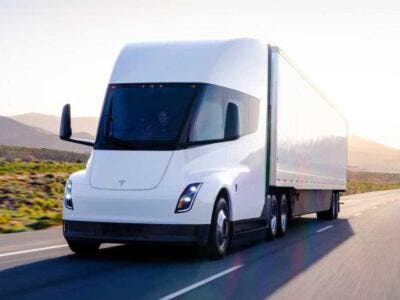
Tesla has started production of the Semi in Nevada, opening the dedicated line for the electric truck first unveiled in 2017 and kept for years in a limited development phase, far beyond the original 2019 launch target. The first deliveries to PepsiCo, which began at the end of 2022, still belonged to a near pre-production phase. Only now, with the move to a facility structured for regular volumes, does the project take on a truly industrial scale.
Tesla says it aims for capacity of up to 50,000 units per year. That figure will need verification over time, not only from a production standpoint but also from a commercial one, because the real question remains whether professional fleets will adopt an electric truck on a large scale.
Tesla Semi aims for 50,000 units a year as production begins
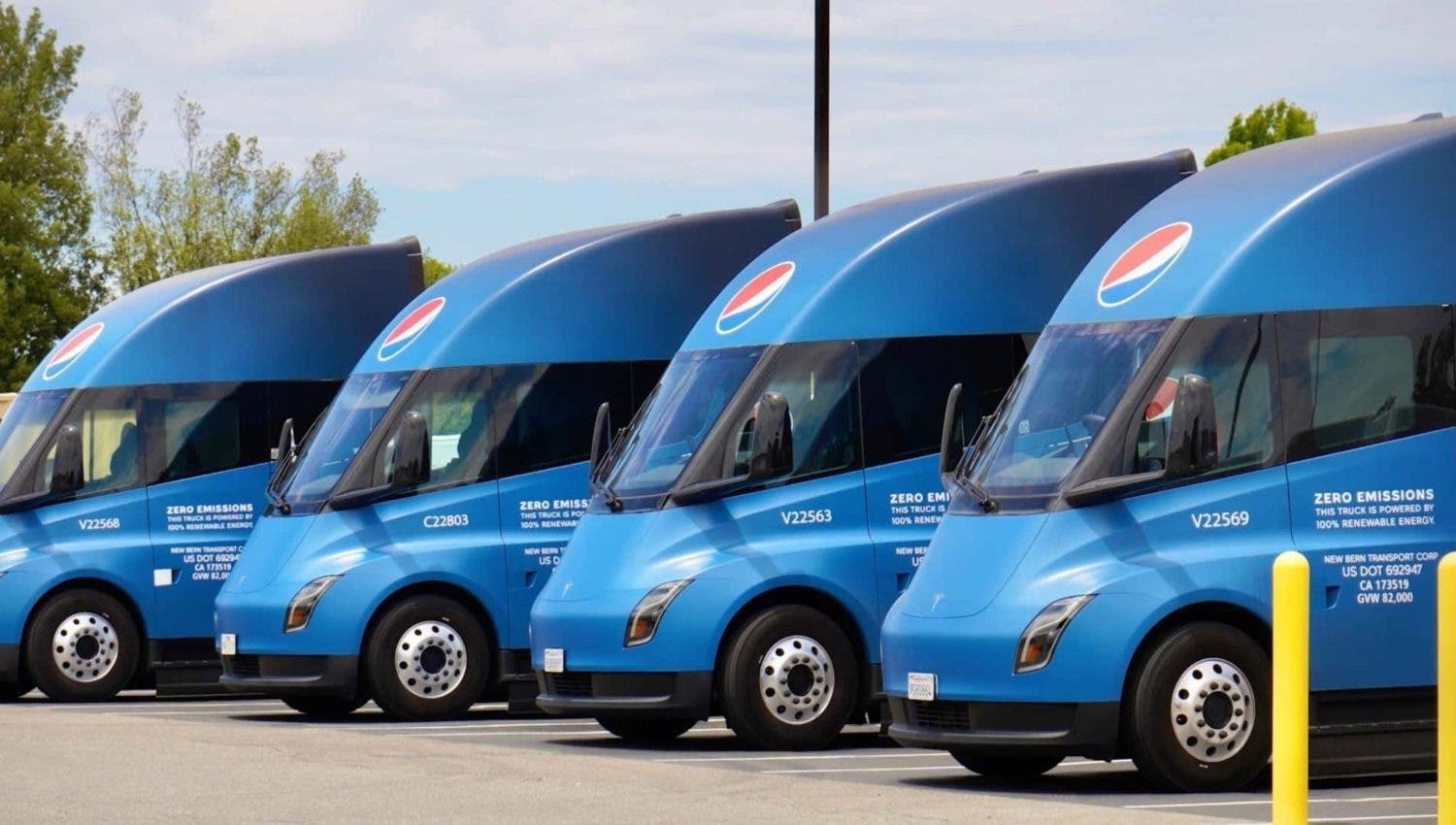
The Tesla Semi will come in two range configurations, one offering around 326 miles and the other 500 miles, with estimated consumption of around 177 kWh per 100 miles. Charging represents one of the most technically important aspects of the project. With a maximum power of 1.2 MW, Tesla’s dedicated chargers should allow the truck to recover about 60% of its energy in roughly 30 minutes, equal to around 300 miles in the version with the larger battery. However, the real usability of these figures will depend on the spread of the Megawatt Charging System, an infrastructure that still remains at an early stage in most markets.
Pricing between $260,000 and $290,000, depending on the variant, places the Semi in a range that could prove sustainable for the North American market. For transport companies, however, the key factor will be total cost of ownership, including energy, maintenance, downtime, battery longevity and access to charging infrastructure along operating routes. The first users running the truck in intensive real-world conditions will provide more reliable feedback than the official specifications alone.
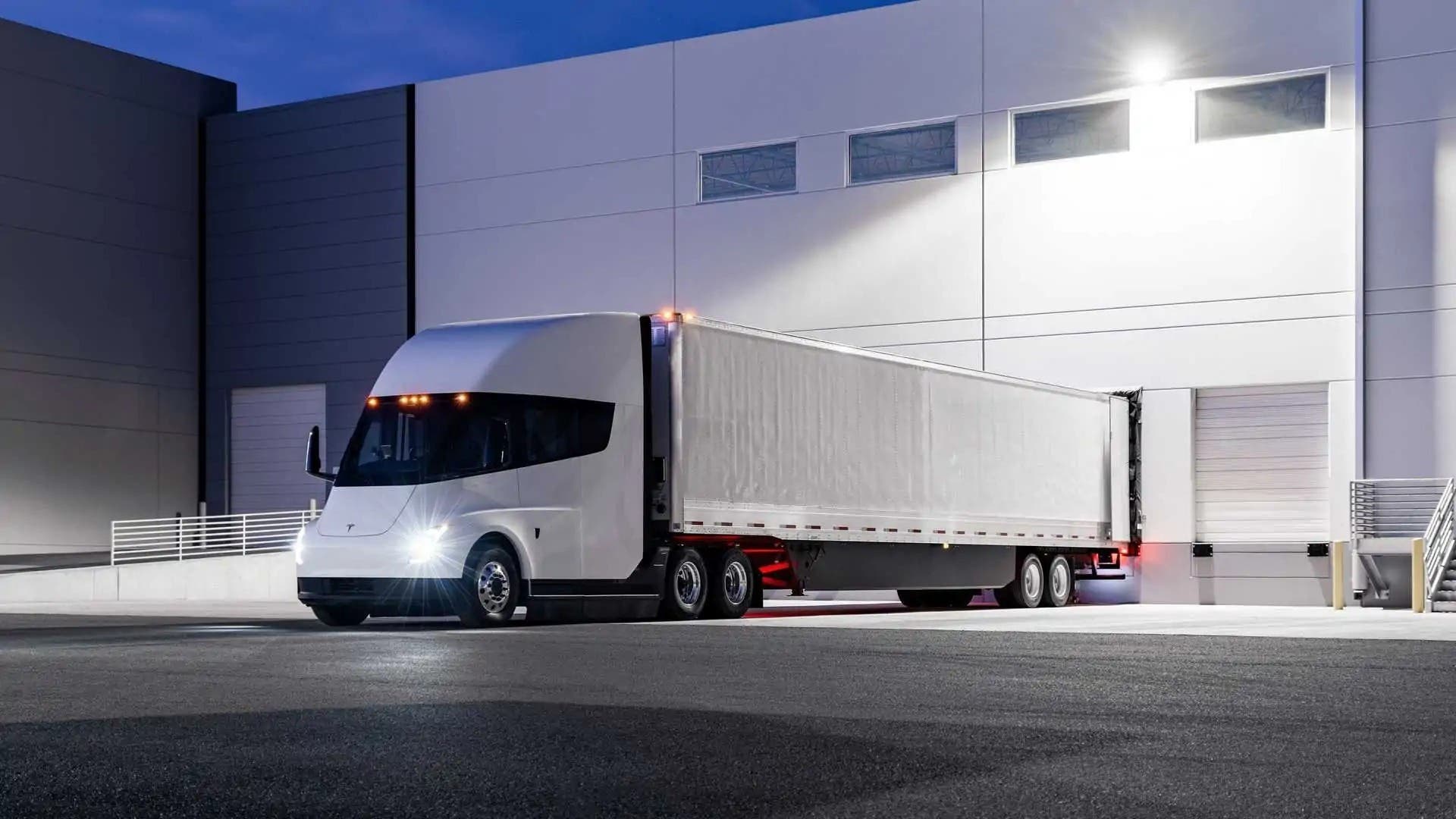
Tesla is bringing a highly interesting model to the heavy-duty truck segment, but it faces manufacturers that have already launched structured programs. Mercedes and Volvo have been active in truck electrification for some time, and Volvo in particular has already delivered thousands of battery-electric heavy-duty vehicles worldwide. Several Chinese manufacturers are also gaining ground with an increasingly broad offering.
Road freight transport remains one of the sectors least affected by the energy transition. In Europe, electric vehicles accounted for just 4.1% of heavy-duty vehicle registrations in the first quarter of 2026, a figure that shows both the potential room for growth and the resistance of a sector still largely dependent on diesel. The Tesla Semi should also arrive in Europe, although Tesla would likely need to revise the project slightly because of its dimensions. For now, however, the company has not provided any details.