


It took Elon Musk nearly a decade of broken promises, missed deadlines, and vaporware hype to finally squeeze the “Class 8” Tesla Semi onto a real assembly line. Yet, almost right on cue, the all-electric truck’s grand commercial rollout has collided head-first with a grim reality check. In late June 2026, at an intersection on U.S. 50 in Dayton, Nevada, the first known fatal crash involving a Tesla Semi left two people dead.
The victims were riding in a vintage Volkswagen Beetle, a fragile piece of automotive history that stood absolutely no chance against a 20,000-pound electric behemoth. While the occupants of the classic Bug suffered catastrophic, fatal injuries, the Semi driver walked away completely unscathed, safe inside Tesla’s high-tech fortress.
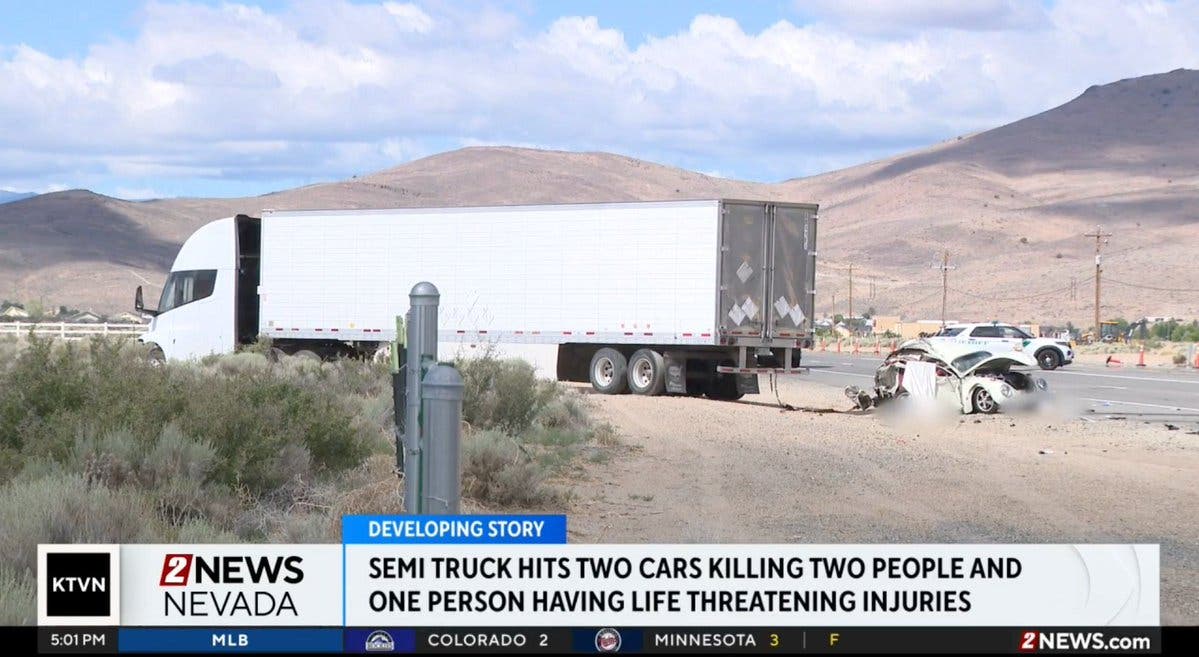
The federal investigation is still ongoing, but the preliminary findings already highlight a painful irony for the tech giant. Despite being packed with cutting-edge active safety features and advanced motor and brake controls, Tesla’s engineering apparently forgot to account for basic human biology.
Early reports from local law enforcement suggest the centrally seated Semi driver simply fell asleep behind the wheel. The truck features an internal driver-monitoring system explicitly designed to yell at truckers who lose focus, but a high-tech alarm is only as good as the driver’s ability to keep their eyes open. Notably, this Class 8 titan does not offer Full Self-Driving (FSD), which is probably for the best considering Tesla is already drowning in legal scrutiny over its driver-assistance systems. This includes a recent nightmare scenario where a Model 3 allegedly running on Autopilot plowed into a house and killed a grandmother.
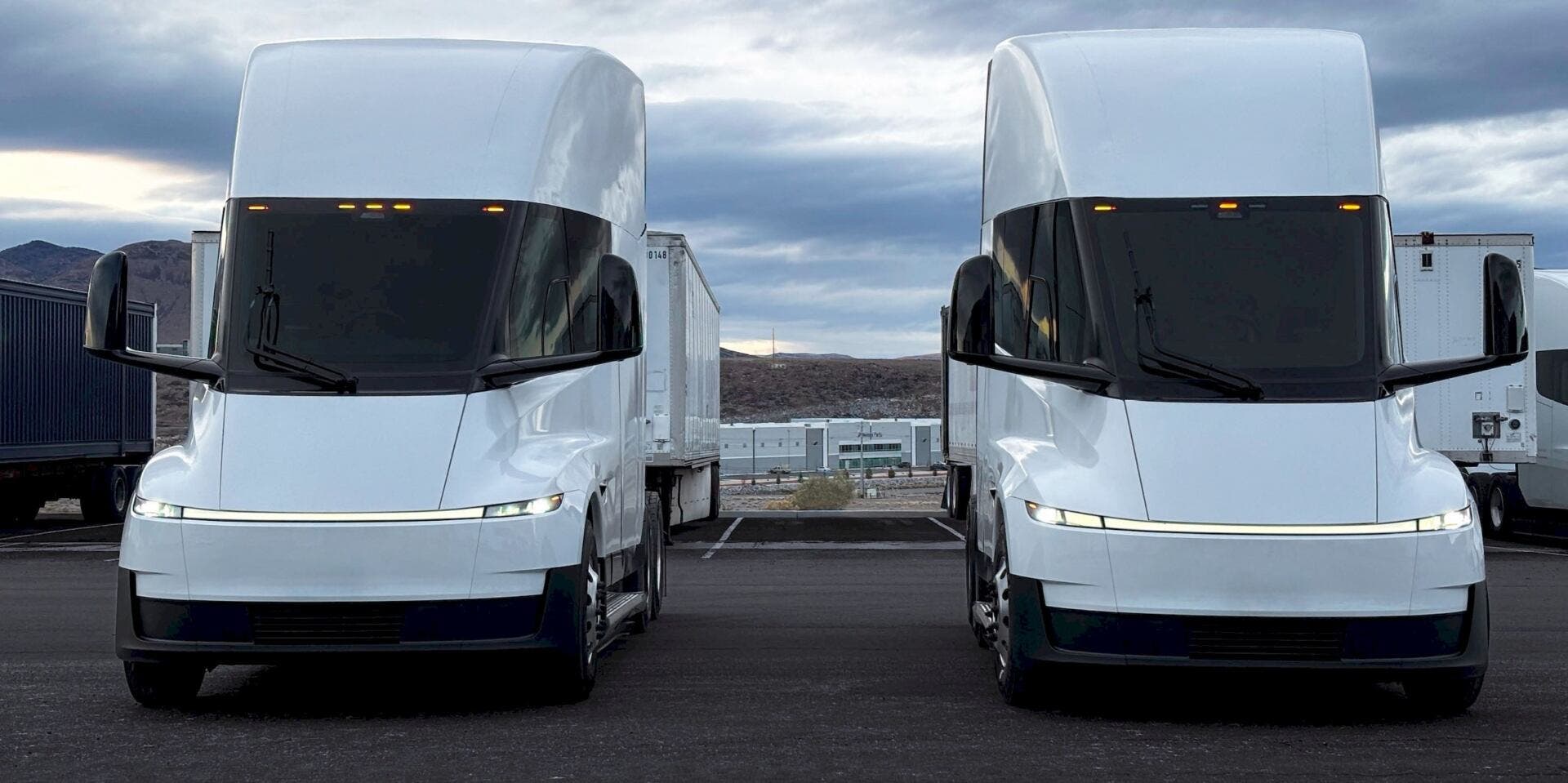
For Tesla, the timing of this Nevada disaster couldn’t be worse. The Semi is just beginning its corporate lifecycle, offering fleet buyers a choice between a 325-mile Standard Range and a 500-mile Long Range trim. Tesla proudly brags that its dedicated Semi Chargers can juice the battery up to 60% in just 30 minutes, a window designed to align perfectly with the mandatory 30-minute rest breaks imposed on long-haul drivers by U.S. federal regulations.