For over a decade, Tesla CEO Elon Musk has treated the concept of fully autonomous driving less like an engineering challenge and more like a consistently missed New Year’s resolution. His system, controversially named Full Self-Driving (FSD), remains in perpetual beta, despite Musk’s relentless, annual promises that true driverless capability is always just around the corner.
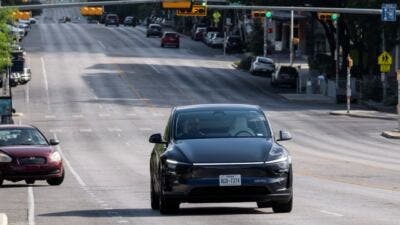
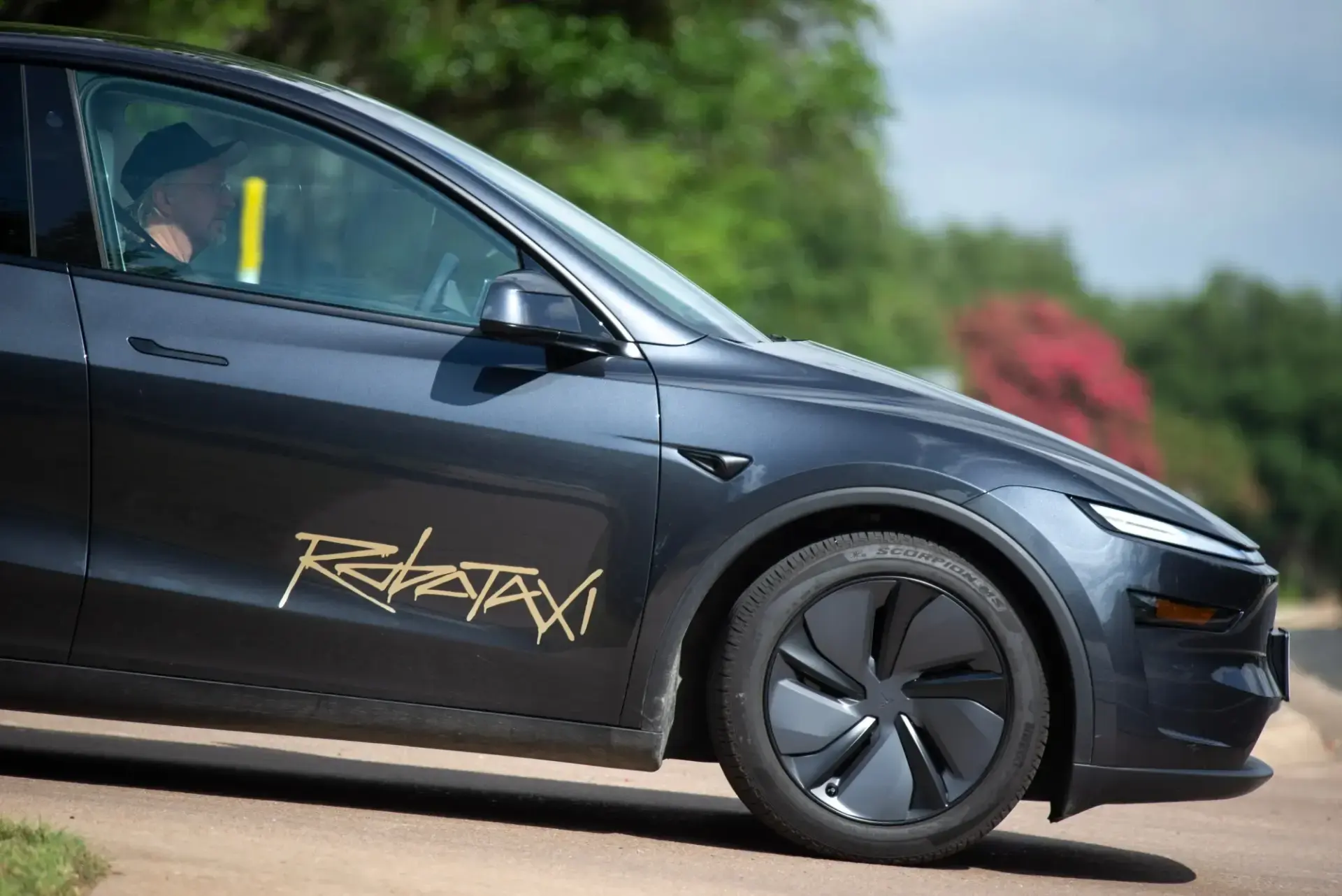
The latest bold declaration concerns the company’s fledgling Robotaxi network in Austin, which currently requires a “safety monitor” awkwardly positioned in the passenger seat.
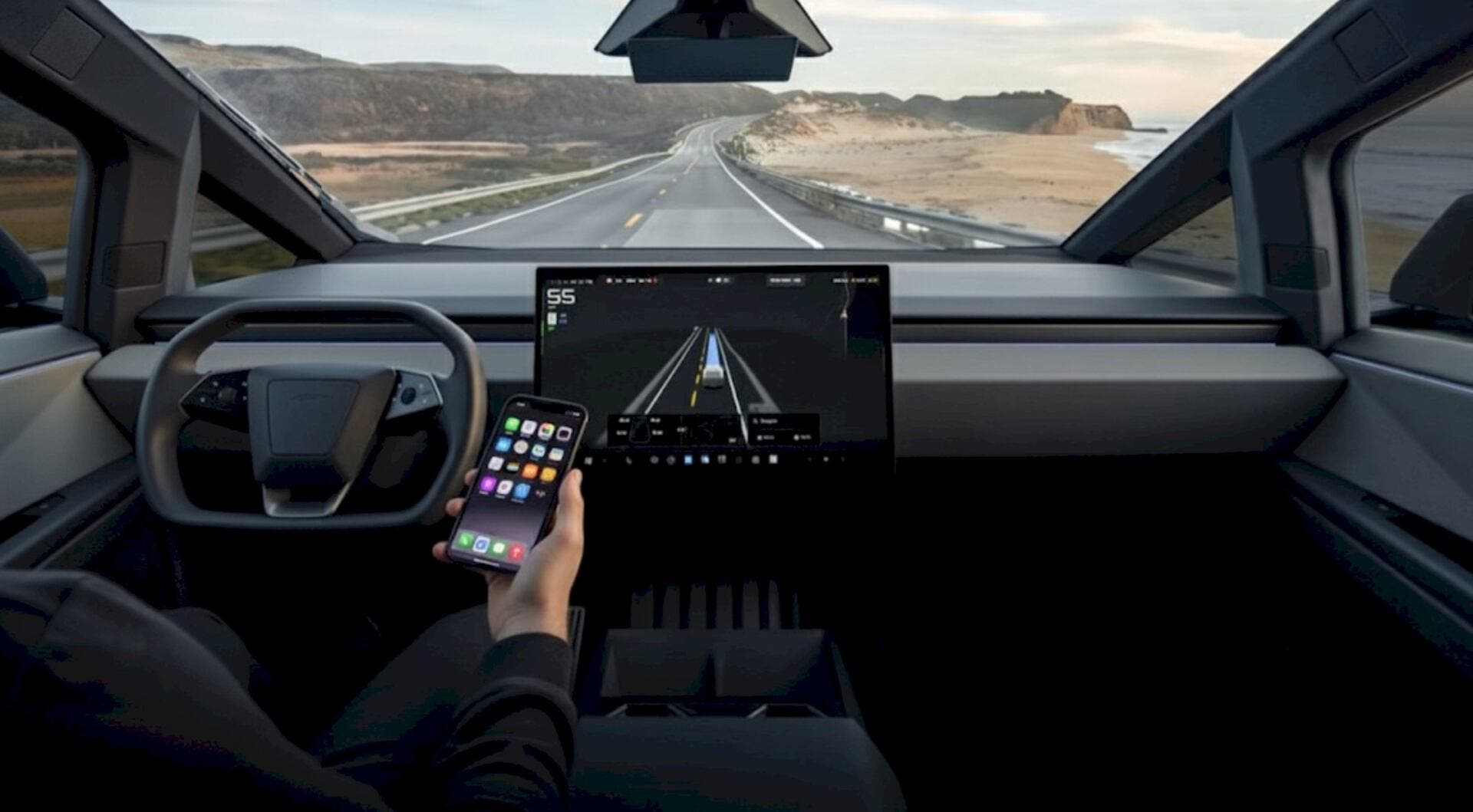
During a recent xAI hackathon video conference, Musk claimed the unsupervised autonomy problem is “pretty much solved”. He then dropped his signature, time-warping ultimatum: Tesla Robotaxis will be operating in Austin with “no one in them, not even in the passenger seat, in about three weeks”.
Long-time Tesla watchers know this timeframe is a familiar cousin to Musk’s infamous “two weeks” promise, which historically precedes significant delays. If this latest deadline holds, we could see genuinely driverless Teslas in Austin by the end of the year, potentially stealing some thunder from competitor Waymo, which has operated fully autonomous vehicles in Austin since March.
The company’s current Robotaxi venture, launched in June, has already generated a high incident rate and safety concerns. Furthermore, the previous promise of enabling owners to turn their cars into money-making Robotaxis, has yet to materialize.
Beyond the immediate Robotaxi timing, Musk doubled down on his hardware promises, revealing a speculative roadmap that reads like a tech analyst’s fever dream. The current hardware, previously known as HW4, is now being strategically rebranded as AI4. Musk claims AI5 will be 10 to 40 times better than AI4 and is slated for mass production in 2027, with AI6 right behind it.
This rapid hardware evolution, however, highlights a colossal financial liability. Tesla has long promised that every car sold had all the necessary hardware for autonomy, a promise now contradicted by the need for continuous, costly upgrades. These changes, coupled with pending global lawsuits demanding free hardware retrofits, could mean billions of dollars in future expenses for the company.