

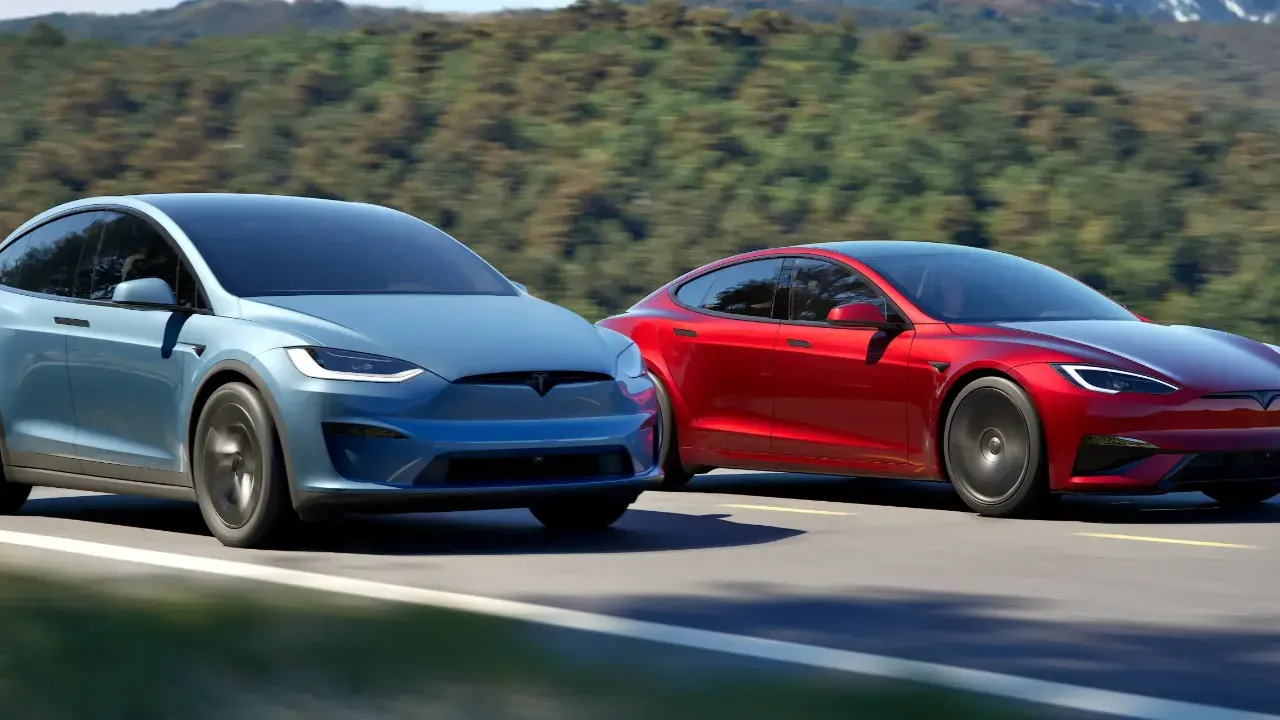
Elon Musk has confirmed that production of the Tesla Model S and Model X has now come to an end, a development that closes the chapter on two vehicles that accompanied the entire rise of the California brand and for more than a decade represented the top of its lineup. In the U.S. market, the shift is already visible because buyers can no longer configure the two models as freely as before. Instead, Tesla is directing customers toward vehicles that have already been built and remain in inventory, supported by incentives such as free lifetime Supercharging and premium connectivity to help clear out the remaining stock.
Tesla confirms the end of Model S and Model X production
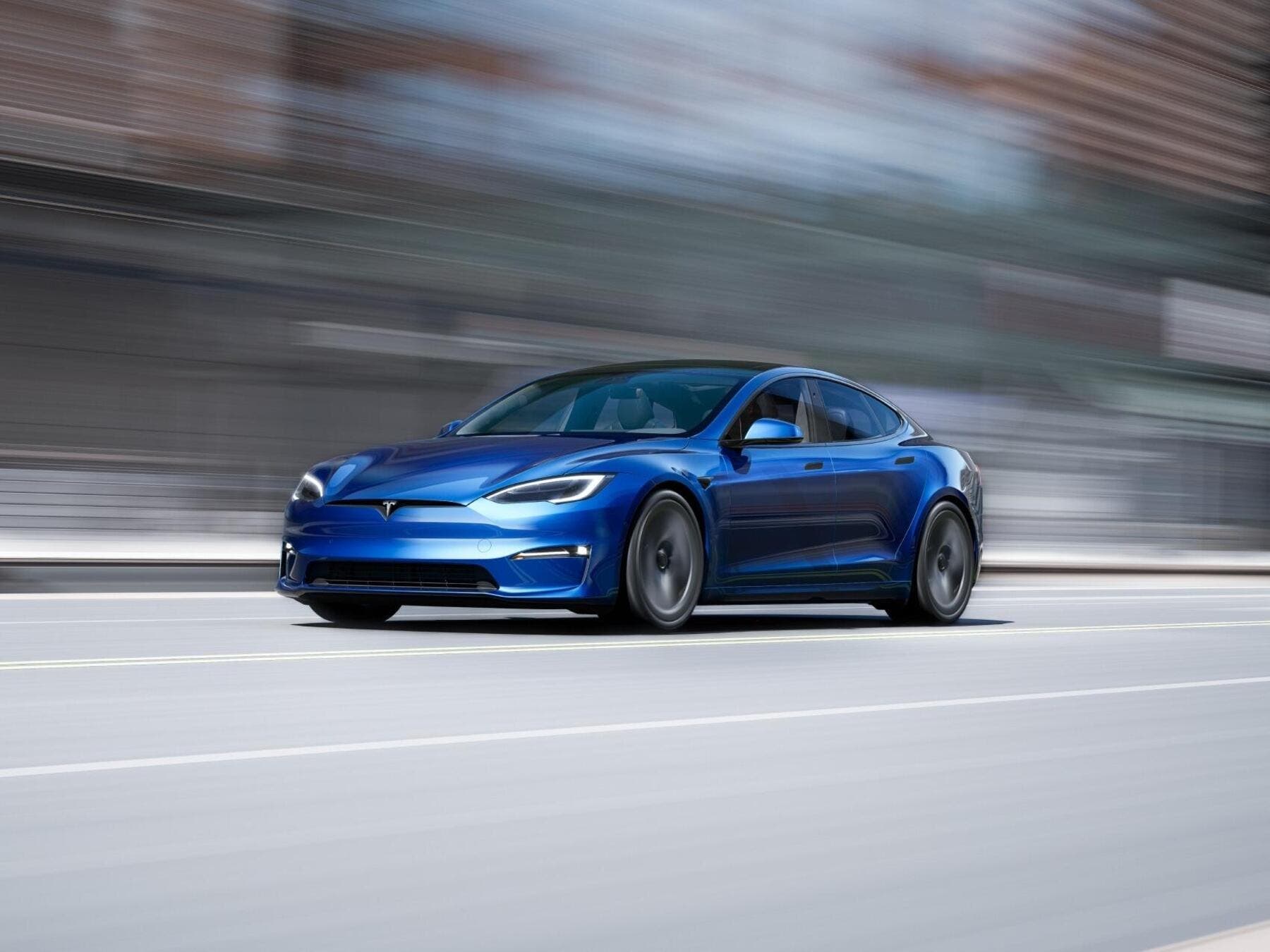
When Tesla launched the Model S in 2012, it did more than any other vehicle to change perceptions of the electric car in the premium segment. It showed that a battery-powered vehicle could be fast, spacious, desirable, and able to compete with the best traditional sedans not only in performance, but also in range and comfort.
Three years later, the Model X added a more family-oriented and theatrical dimension through its upward-opening rear doors and especially generous cabin, completing a high-end offering that for several years had no direct rivals in the EV space. Both models stayed faithful to their original styling approach for more than a decade. Tesla kept updating them technically, but never gave them a true design revolution. At first, that choice strengthened their identity, but over time it also made them feel less fresh in a market increasingly hungry for novelty.
The decline of the two models did not come mainly from outside competition, but from Tesla itself. The arrival of the Model 3 in 2017 and especially the Model Y in 2020 shifted the company’s commercial center of gravity in a fundamental way, pushing the brand toward higher volumes and turning the midsize sedan and compact crossover into the true core of Tesla’s sales strategy.
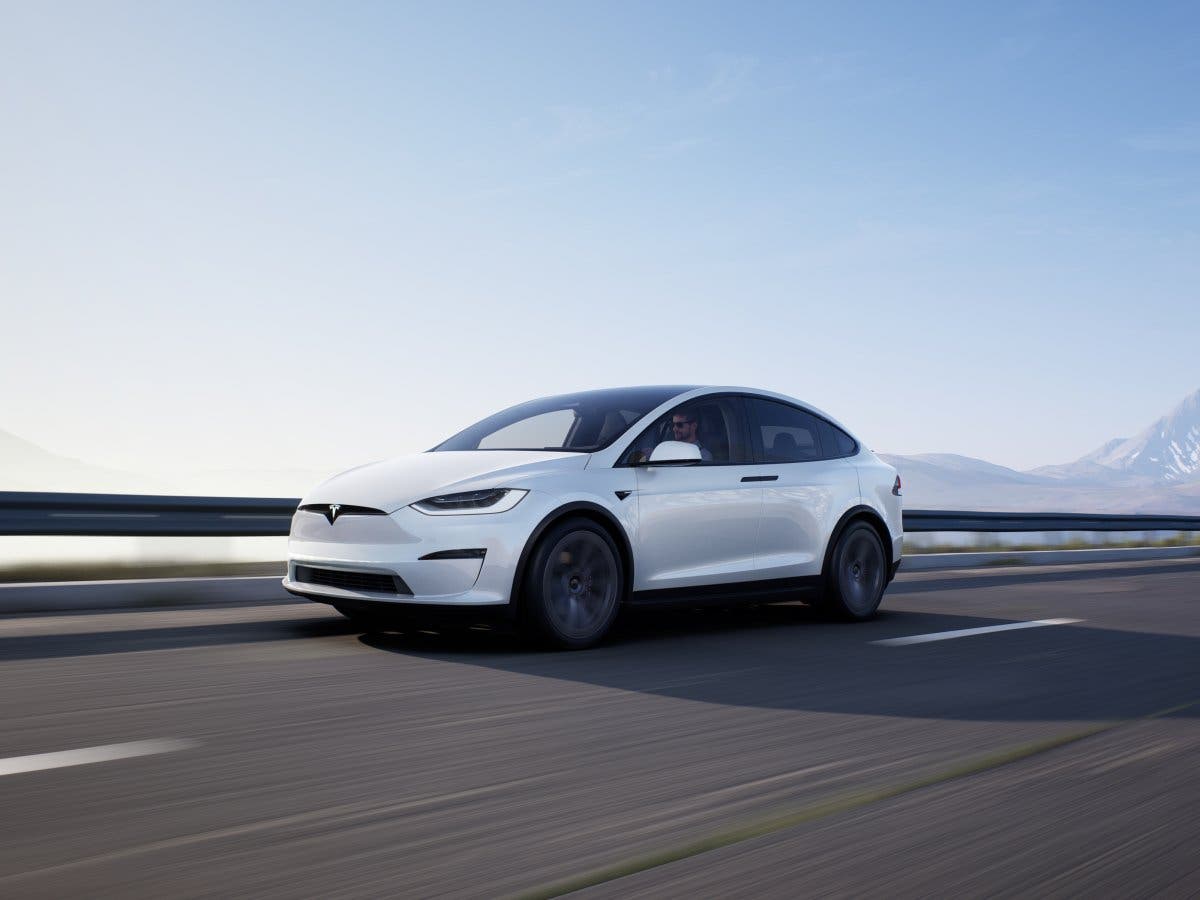
As that evolution took shape, the Model S and Model X steadily lost importance in Tesla’s financial results and product planning, ending up in an increasingly marginal position compared with the direction the company had chosen.
Tesla’s future is now moving more decisively toward automation, robotics, autonomous driving, and new production platforms, a context in which a large premium sedan and a high-end SUV no longer seem to hold much strategic value.
Their exit therefore marks the end of two models that redefined an entire product category. It also reflects the transformation of a company that is steadily moving its center of gravity away from traditional automobile production and toward a broader technological horizon less tightly tied to vehicles themselves.