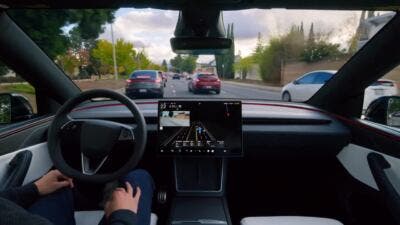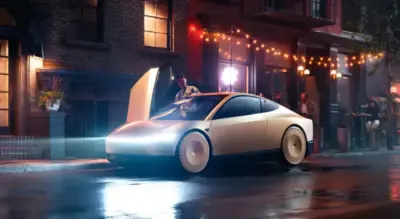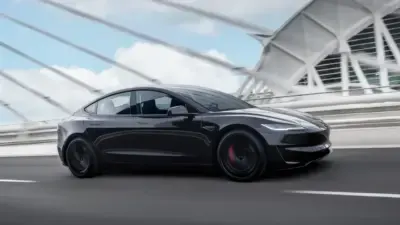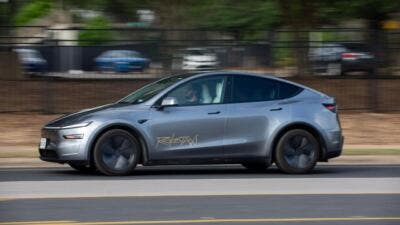
Tesla’s Robotaxi project is moving much more slowly than the company’s early announcements suggested. About one year after the service launched in Austin, the American carmaker has reportedly registered only 42 vehicles in Texas, a figure far below the ambitions Elon Musk had previously outlined, when he spoke of one thousand robotaxis on the road as early as summer 2025. Tesla continues to present autonomous driving as one of the pillars of its strategy, but the gap between promises and operational reality remains clear, especially compared with the progress made by rivals such as Waymo, the Google-owned company already operating in several US cities.
Tesla Robotaxi has only 42 registered vehicles in Texas one year after launch
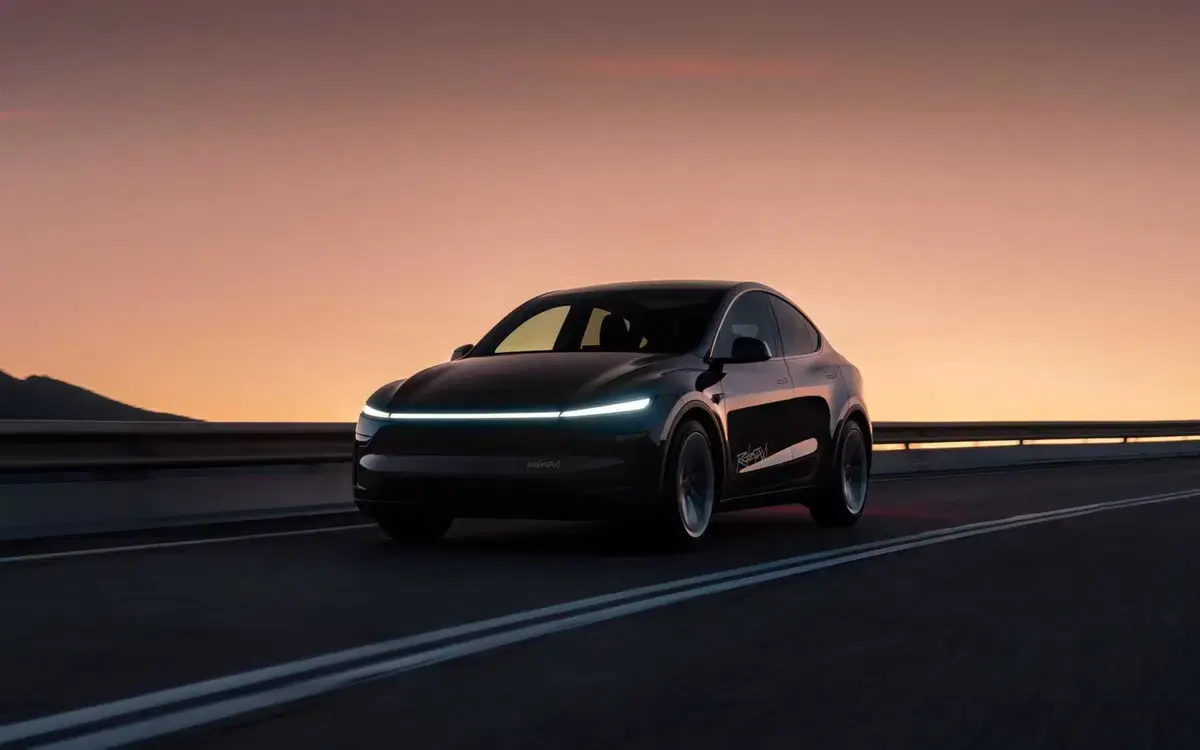
According to data submitted to Texas motor vehicle authorities, Tesla currently has 42 registered robotaxis in the state. This provides the first official indication of the real size of a service that started in June 2025 in Austin within a very limited area. Most of the vehicles appear to operate in the Texas capital, where Tesla also has its headquarters, while Dallas and Houston show a smaller presence. The figure stands out because Musk had promised much faster growth, with a target of one thousand units within weeks or months of the first rides.
The first rides took place with a supervisor on board and, in some cases, even with support vehicles following behind, confirming a cautious initial approach. Tesla then began its first fully unsupervised operations in Austin on January 22, 2026, starting with a single vehicle. Today, around thirty of the 42 registered robotaxis reportedly operate without anyone on board.
Musk continues to set very high expectations. According to the CEO, Tesla could have “hundreds of thousands, or even a million self-driving Teslas” by the end of 2026, including private cars equipped with Full Self-Driving software.
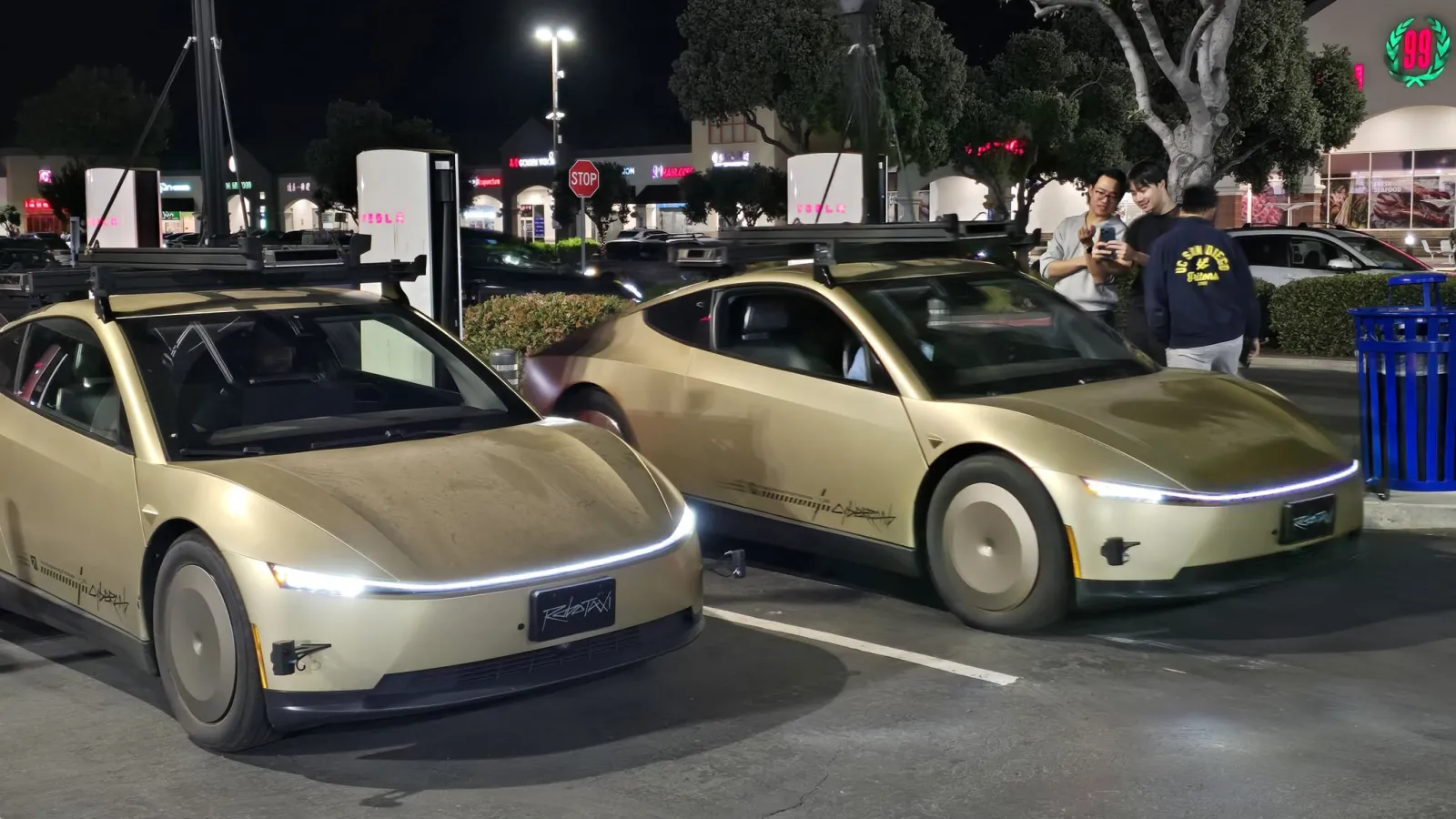
The slow progress comes at a delicate moment for the company. At the end of May, a Reuters investigation gathered testimony from former Tesla employees who said the FSD system still struggles in some common driving scenarios, including interactions with emergency vehicles and school buses, two areas considered crucial for evaluating the reliability of an autonomous system. Some former software developers also said they do not trust the system, with one saying he would “not use it even for free.”
Tesla’s real challenge therefore does not concern only the number of vehicles on the road. The company must prove that Full Self-Driving can work reliably, safely and at scale beyond controlled areas.