

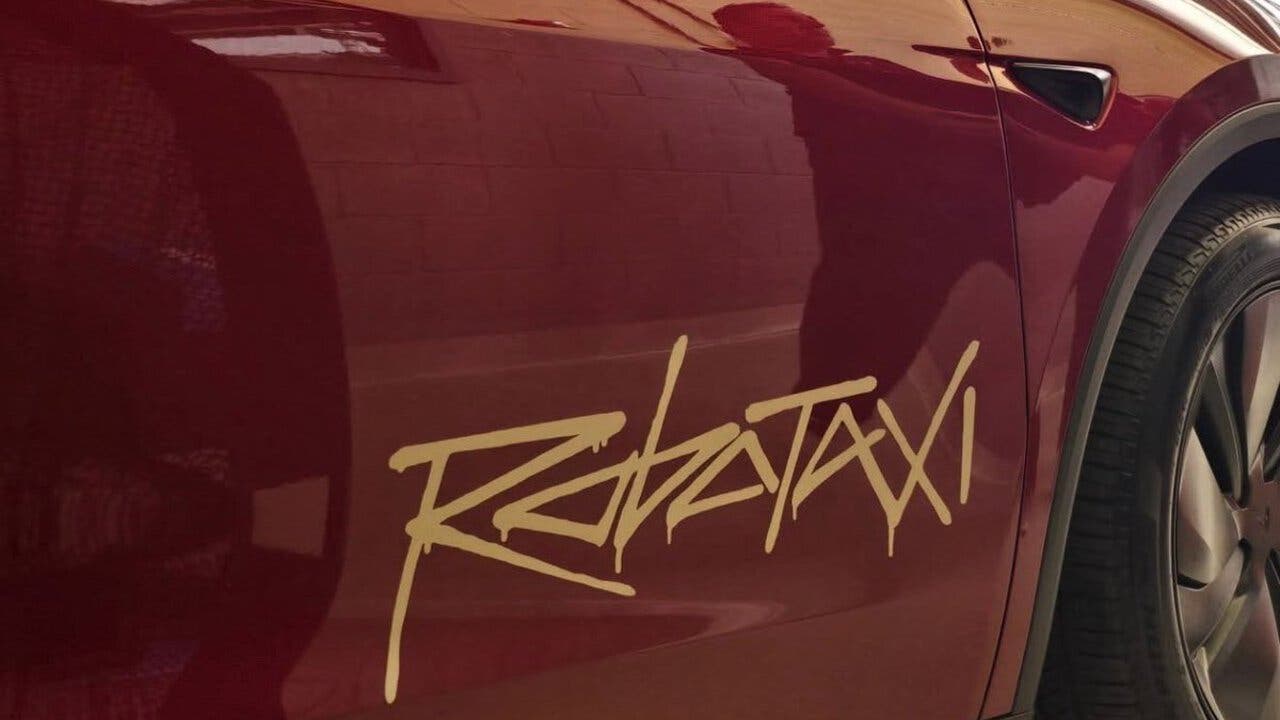
Elon Musk’s autonomous circus has pitched its tent in yet another territory. This time, Tesla is expanding its Robotaxi ride-hailing platform to the sun-drenched, chaotic streets of Miami, Florida. Marking its entry into a third US state since its grand debut last summer, the Texas-based automaker is betting that its Full Self-Driving algorithms can survive the ultimate crucible: Florida drivers.
The official rollout introduces a strictly geofenced zone covering a modest 10 to 14 square miles across western and central Miami. Tesla is adopting the exact hyper-localized constraints it once mocked its competitors for using. The initial grid is intentionally tight, focusing heavily on high-traffic veins. Crucially, the web ensnares Miami International Airport (MIA), aiming to capture weary travelers before they can find a traditional Uber.
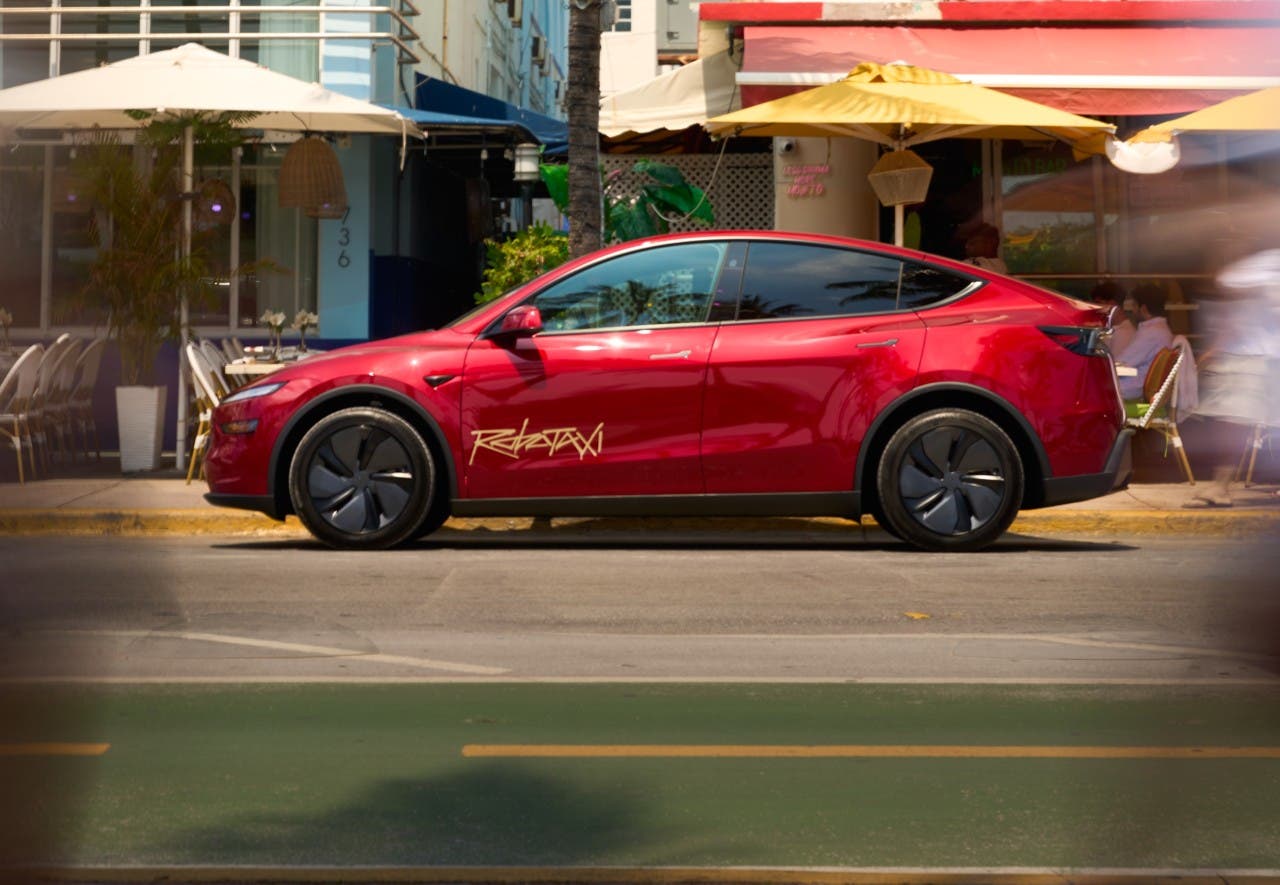
Compared to Alphabet’s Waymo, which confidently swallowed Miami’s expansive eastern neighborhoods from day one, Tesla’s strategy looks remarkably timid. It’s a calculated, city-by-city, state-by-state crawl rather than a sweeping autonomous revolution. By prioritizing high-density airport routes, Tesla hopes to work out the kinks before unleashing its driverless fleet into the wider, unpredictable Florida wilderness.
The stakes are undeniably high. Florida represents a goldmine for autonomous transport networks, thanks to an endless influx of tourists flocking to coastal hotspots like Fort Lauderdale, Palm Beach, and Boynton. If Tesla can monetize the millions of vacationers looking for a cheap, steering-wheel-free lift, the revenue potential is massive.
This Sunshine State milestone is the latest chapter in a rollout timeline that began on June 22, 2025, with a highly restricted commercial launch in Austin, Texas. By late July 2025, the fleet crept into California’s Bay Area, navigating the tech-heavy asphalt of San Francisco, San Jose, and Berkeley. Full commercial operations finally unlocked in Austin by November 2025, followed by a mid-April 2026 expansion into Dallas and Houston.
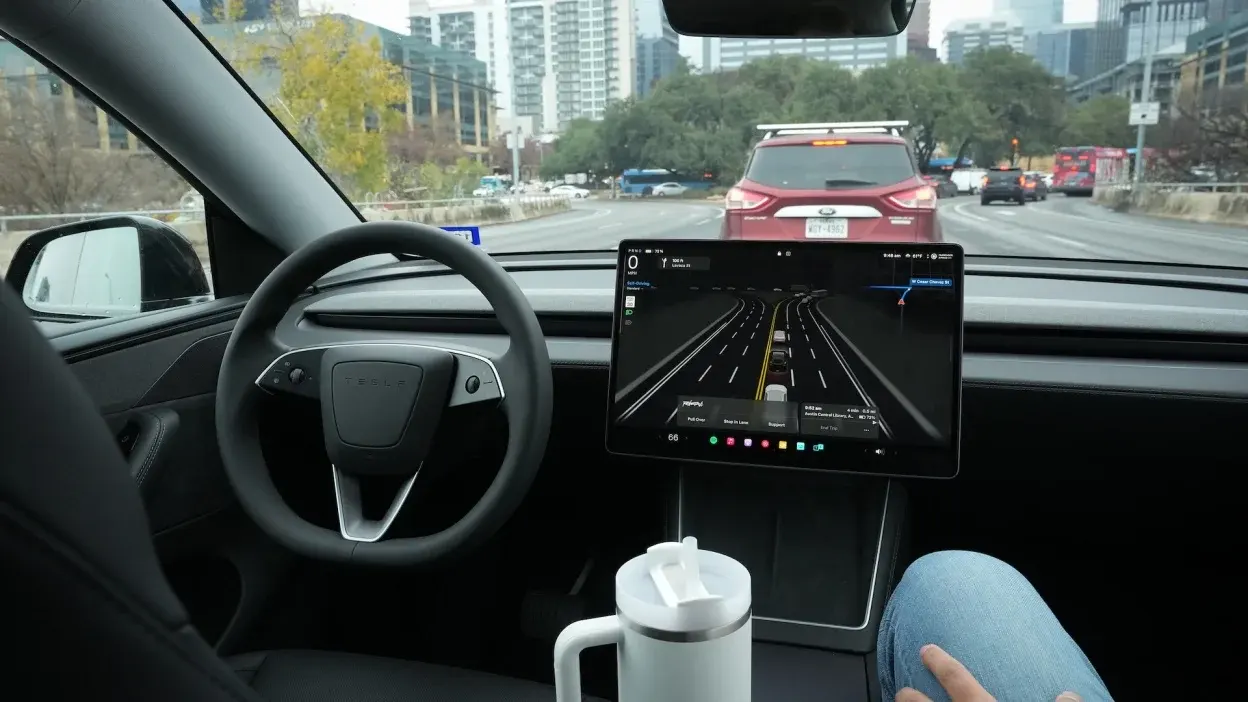
With Miami now live, Tesla’s self-driving footprint officially spans major metropolitan clusters across Texas, California, and Florida. Whether these algorithmic chauffeurs can successfully dodge Miami’s notorious traffic without throwing a digital tantrum remains to be seen, but the corporate machine marches on.