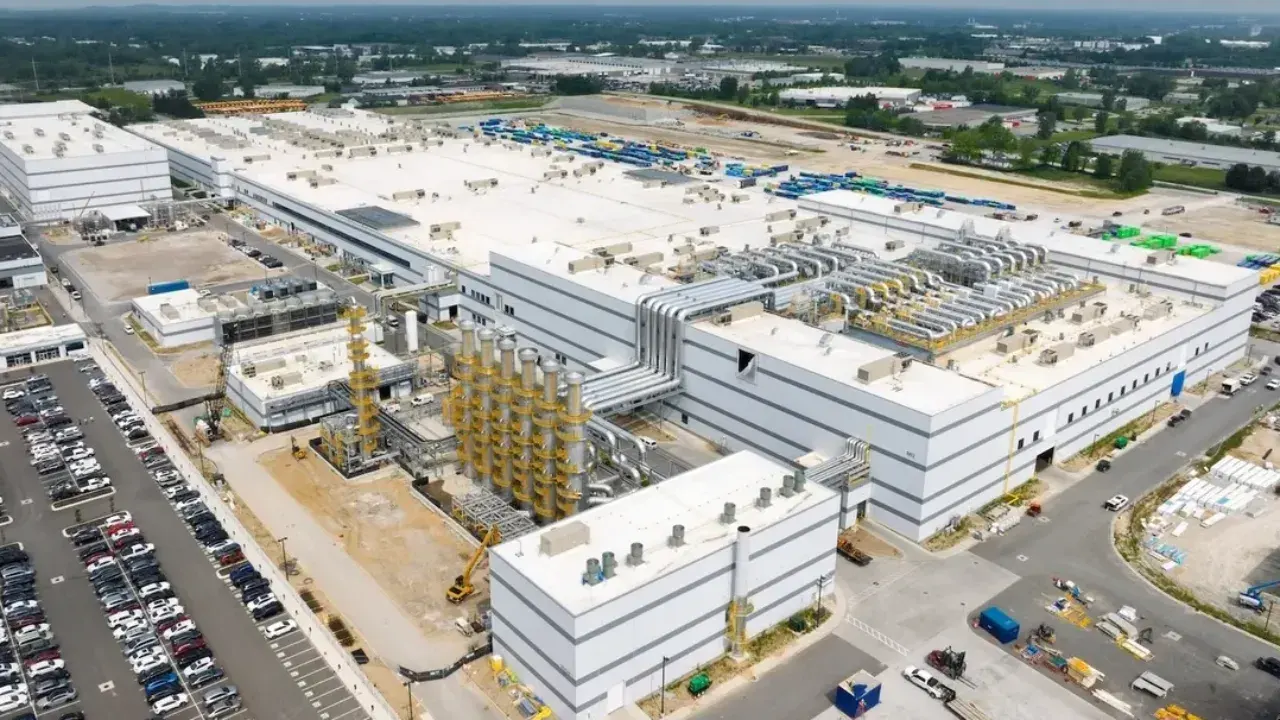
At the Indo-Pacific Energy Security Summit, the Trump administration spotlighted what it framed as a landmark moment for American energy independence: Tesla and South Korea’s LG Energy Solution have officially confirmed a $4.3 billion battery supply agreement, and the United States government wants you to know it’s very pleased about the whole thing.
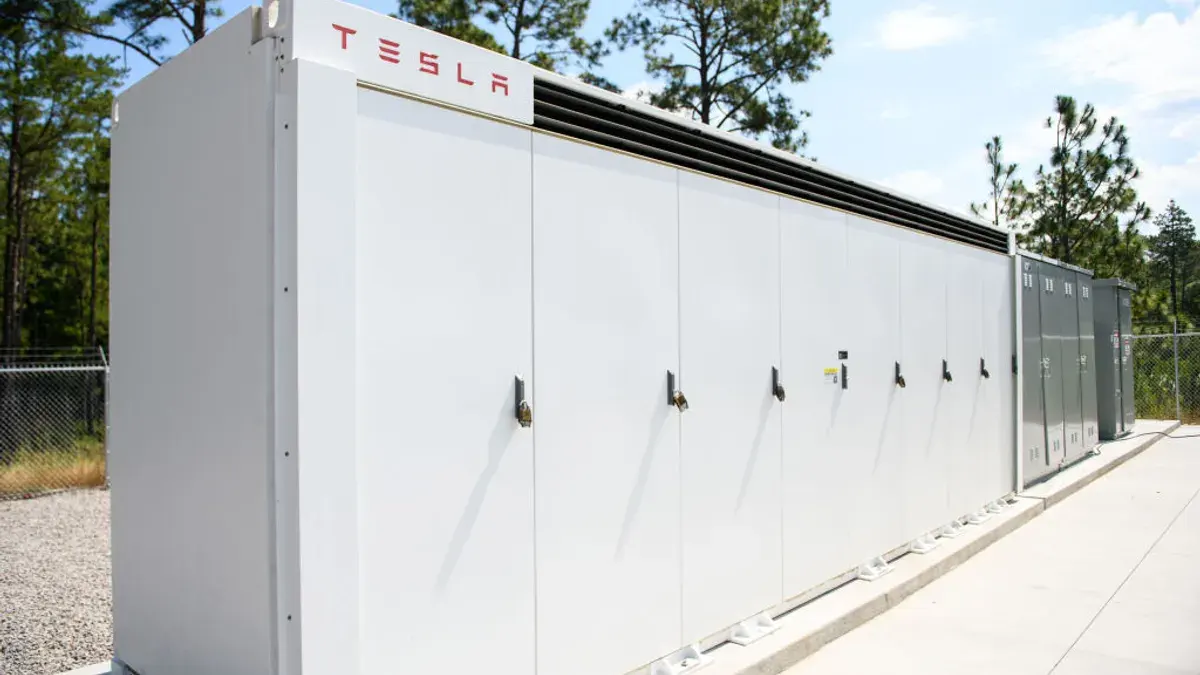
The deal, first reported by Reuters back in July 2025, centers on the construction of a lithium iron phosphate, LFP, prismatic cell manufacturing plant in Lansing, Michigan. Production is scheduled to begin in 2027, and the cells rolling off that line will feed directly into Tesla’s Megapack 3 energy storage systems, assembled in Houston. A domestic battery supply chain, start to finish, on American soil. Washington could barely contain itself.
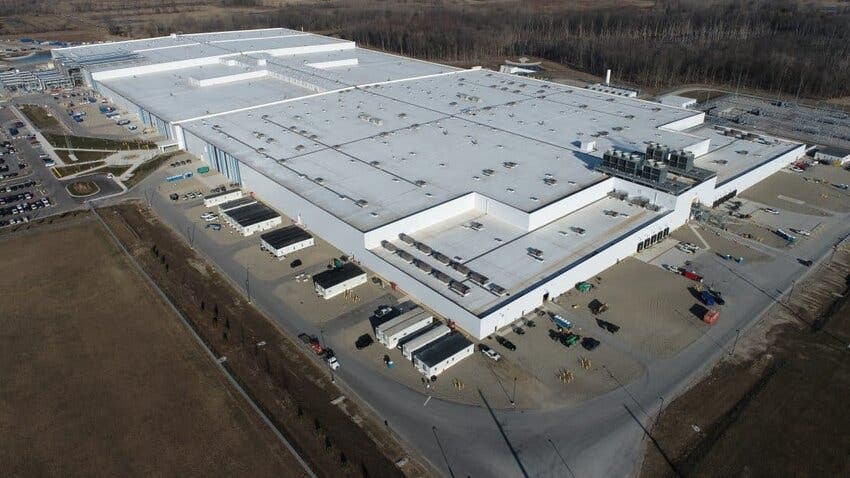
The strategic logic here isn’t hard to follow. LFP battery technology has long been the undisputed territory of Chinese manufacturers, companies that, thanks to a thickening wall of US tariffs, find themselves increasingly unwelcome in the American market. Tesla, which has been quietly reducing its exposure to Chinese supply chains, saw the opening and took it. LG Energy Solution, one of the very few non-Chinese producers of LFP cells with a meaningful US footprint, was the natural partner.
When LG originally confirmed the contract last summer, the company described it as a three-year, $4.3 billion global LFP supply agreement, carefully declining to name the customer or clarify whether the cells were destined for vehicles or stationary storage. The ambiguity was almost charming. Now that the White House has decided to claim partial credit for the whole affair, the details are considerably less mysterious.
What emerges from all of this is a picture of an industry reorganizing itself around a new geopolitical reality. One where the cheapest option and the politically acceptable option are no longer the same thing. Tesla, to its credit, seems to have figured that out before most.