BYD has chosen to challenge US trade policy directly through legal action and contests the tariffs introduced by the Trump administration. The Chinese automaker filed a lawsuit to seek cancellation of the duties and reimbursement of amounts already paid and argues that authorities applied emergency economic rules improperly to the automotive sector.
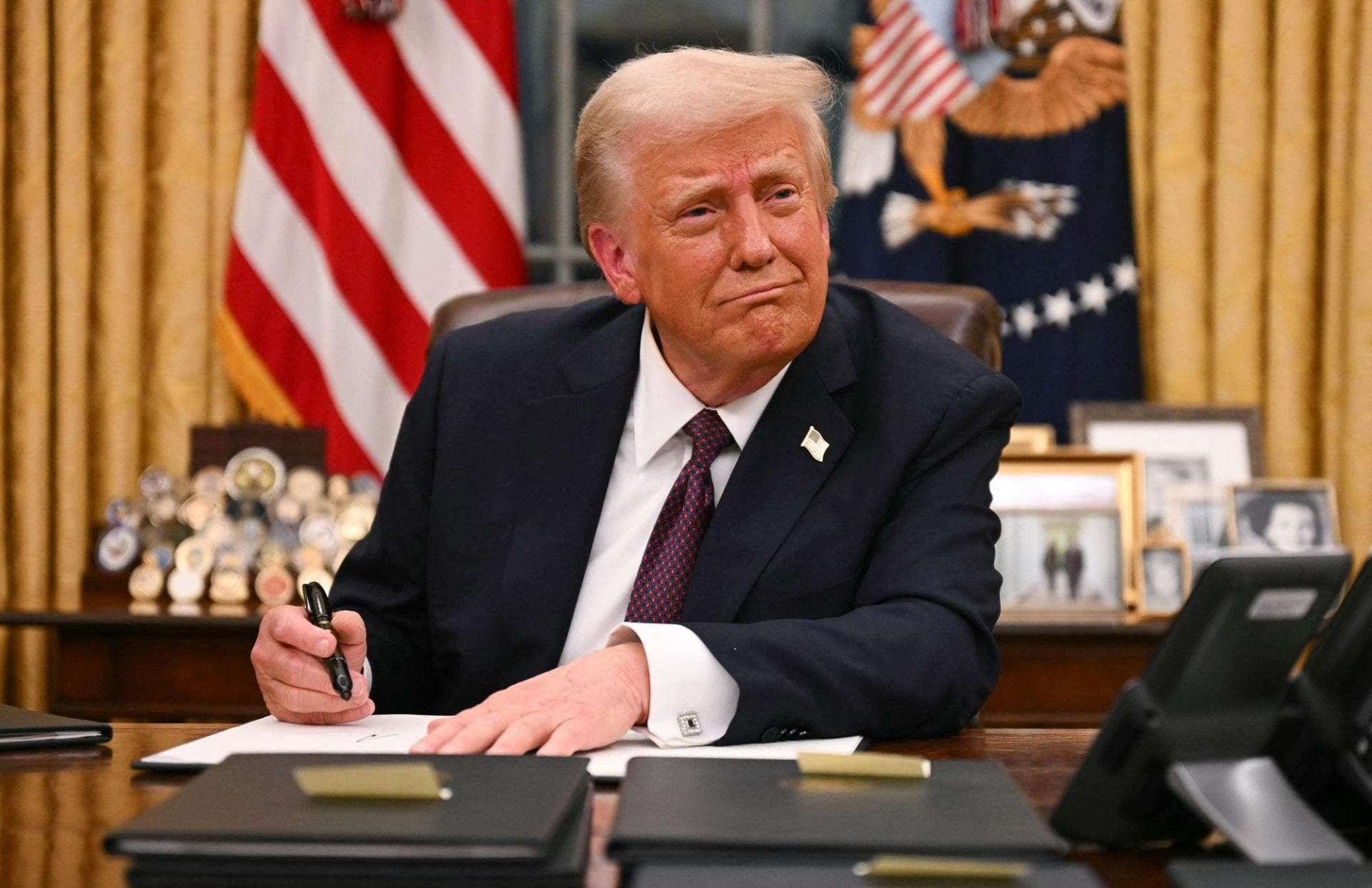
This move marks a significant step within broader international trade tensions. Until now, many Chinese manufacturers absorbed the impact of trade barriers without legal action. BYD changed strategy and brought the dispute to court. The case centers on the IEEPA, a law that allows the US president to adopt extraordinary measures in the presence of threats to national security or the economy. Washington used this tool to justify tariffs on imports.
BYD challenges US tariffs in court and targets policy shift
According to BYD and several other companies involved, authorities stretched the interpretation of this law when they applied it to automotive trade. Companies argue that these measures, intended to protect the American economy, have increased operating costs for businesses active in the US market. Through its legal action, the Chinese group also aims to set a legal precedent that could challenge the entire protectionist framework built in recent years.
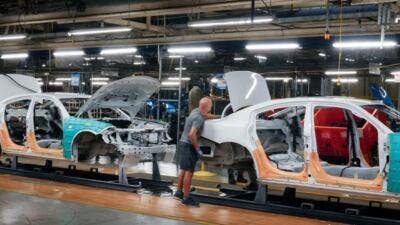
BYD strengthens its position through its industrial presence in the United States. The group operates in California, where its North American division runs a Lancaster facility dedicated to assembly of electric buses and trucks. The site employs hundreds of workers and forms a concrete part of the local production chain. BYD activities in the US extend beyond commercial vehicles and include batteries, energy storage systems and solar-related technologies.
This situation highlights a degree of ambiguity in US political strategy. Authorities often describe the Chinese auto industry as a threat to Detroit manufacturers and data security. At the same time, officials state that foreign industrial investment on US soil that creates jobs and value will receive support. BYD stands in this gray area and operates as a local manufacturer while remaining a foreign group.
The legal battle may therefore carry implications beyond this single case. If courts accept the automaker’s arguments, the decision could reshape international automotive trade and influence tariff policy and industrial relations between the United States and China.