

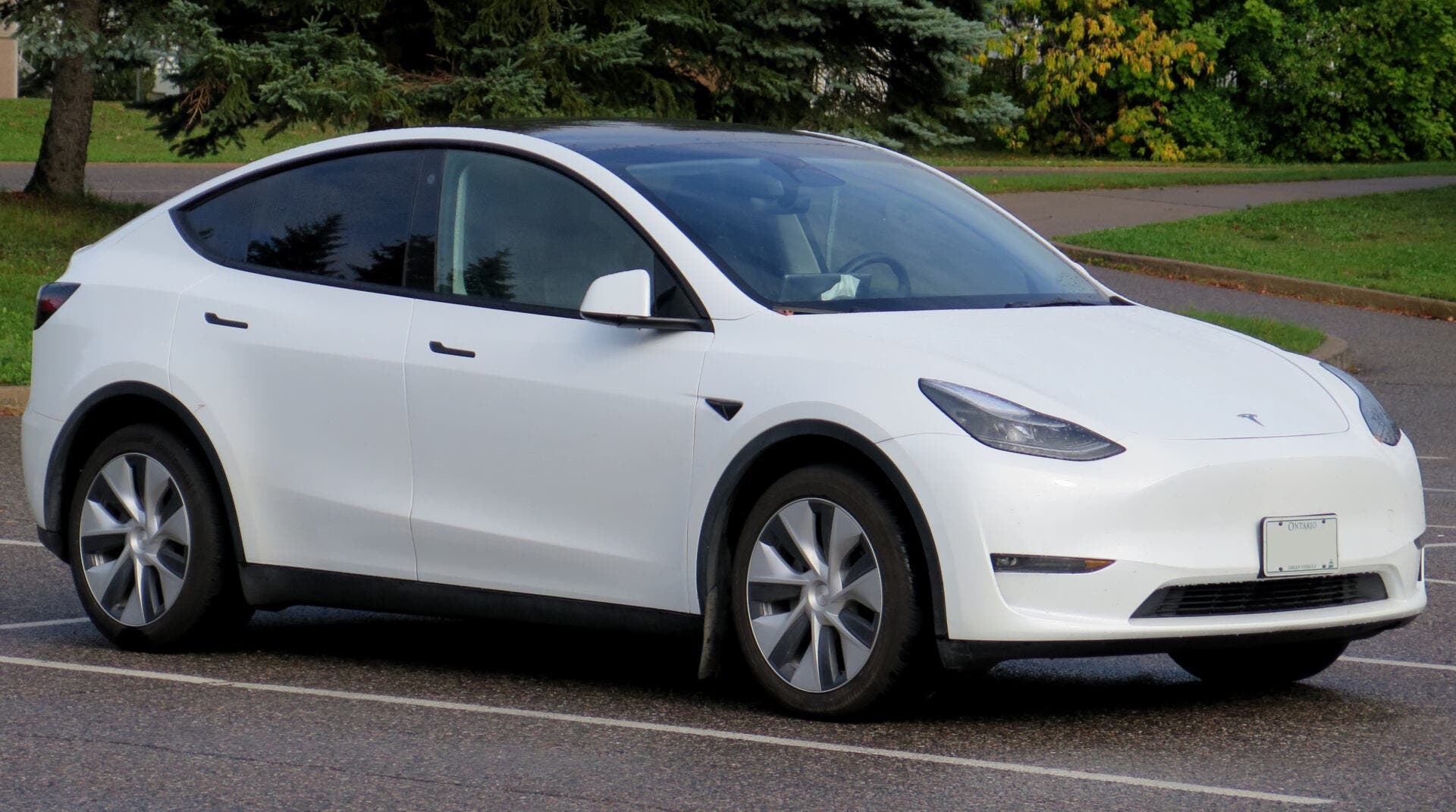
As connectivity becomes a core part of the driving experience, on par with engines and batteries, Tesla is preparing to surprise the automotive world once again. A recent patent filed in the United States reveals a solution designed to keep vehicles constantly connected, even in areas where traditional networks fail.
The document describes a panoramic roof built with a multilayer structure made of specific polymer materials, including polycarbonate. The goal is to ensure maximum radio-frequency permeability, allowing direct and interference-free communication with Starlink satellites. This approach looks mainly to the future, aiming to provide stable connectivity for Robotaxis and high-speed internet access even in the most remote areas. In this scenario, the car roof stops being a simple transparent surface and becomes an invisible interface with space. This vision aligns perfectly with Elon Musk’s role at the helm of both the automaker and the aerospace company.
Tesla patents roof design to enable Starlink connectivity
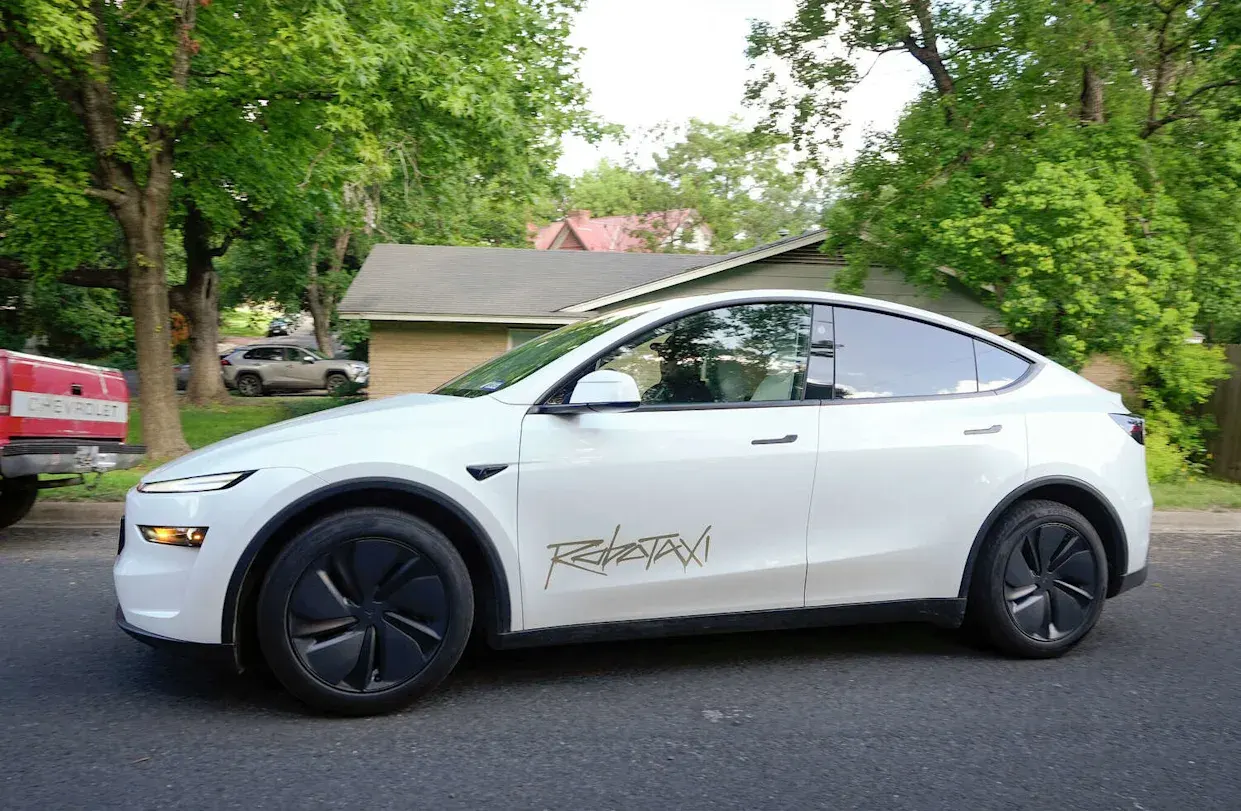
With this solution, Musk could address one of the key challenges facing modern vehicles. Tesla has considered every aspect to make this function possible. Metal structures block signal propagation, and traditional glass, often treated to filter UV rays and heat, also limits high-frequency transmissions. To communicate effectively with systems like Starlink, active since 2019 and now made up of thousands of satellites, vehicles need a communication path that is clear not only visually but also electromagnetically. This requirement explains the move away from conventional glass in favor of materials specifically engineered to let radio waves pass through.
The use of polymers such as polycarbonate, ABS, or ASA would significantly reduce interference. For drivers, this could mean the end of signal dead zones and access to a connection that remains available at all times. This promise fits seamlessly into the technology ecosystem built by Musk. After software integrations, including the introduction of Grok artificial intelligence, this roof represents the hardware element that improves data reliability, a critical factor for the advanced features Tesla continues to announce.
Replacing glass with plastic materials may raise concerns about perceived quality, but the patent makes it clear that this is not a simplified solution. The proposed structure consists of four distinct layers, designed to match or exceed the performance of current glass. The selected materials would provide high resistance to impacts and vibrations while meeting safety regulations, including passenger head impact requirements in the event of a crash. Acoustic insulation, a crucial aspect for electric vehicles, would also remain at appropriate levels.
This system primarily targets autonomous vehicles. A car that drives without human intervention cannot afford data transmission interruptions. Map updates, real-time traffic analysis, and communication with infrastructure all require a continuous and reliable data flow. By ensuring stable satellite connectivity through the roof, Tesla lays the groundwork for its future autonomous fleet. When 4G or 5G coverage is unavailable, the vehicle could automatically switch to the Starlink network, ensuring operational continuity and making connectivity a structural element of the car’s functionality. However, security remains an open question. A vehicle that stays constantly connected to the internet could face new risks, although Tesla has likely considered this aspect as well.