Cost reduction has become an absolute priority for the global automotive industry. Today, more than ever, keeping expenses under control is essential to offer cars at affordable prices with a solid value-for-money ratio. Western automakers are finding it increasingly hard to balance their budgets. Chinese companies, on the other hand, are tackling the issue with a radically different approach. Tesla has carefully observed this model and drawn key lessons from it. By dismantling and closely studying Chinese electric cars, the American brand has refined its own industrial strategies and turned them into a competitive advantage.
Tearing down rival vehicles is a widespread and perfectly normal practice in the industry. To challenge a competitor, you first need to understand it in depth. Ford CEO Jim Farley himself openly admitted that he drove a Xiaomi SU7 for several months to better grasp its strengths and technical solutions. Buying competitors’ vehicles and stripping them down to the last component is standard practice for all major automotive groups. Today, however, there is an extra variable. More and more often, the vehicles under analysis come from China.
China’s EV strategy is forcing Tesla and the West to rethink costs
China has quickly become the world’s main hub for electric mobility. Its vehicles are flooding international markets and are putting pressure on historic brands such as Toyota, Volkswagen, and even Tesla. For more than a decade, the United States dominated the electric vehicle sector. However, the rise of giants like BYD has reshaped the competitive landscape. To fully understand the logic of these new rivals, Tesla began to study them in a systematic way. This approach was detailed by John McNeill in an interview with Business Insider. McNeill served as Tesla’s president between 2015 and 2018 and took part directly in this analysis work.
During the interview, the former executive explained that Tesla’s technicians dismantled numerous Chinese models. They were impressed by the efficiency of the solutions adopted. According to McNeill, Chinese engineers apply extreme discipline in reusing components that remain hidden under the hood and do not affect the customer’s direct experience. This method allows significant savings in production costs. Component sharing across different models is also common in the West. In China, however, this practice is taken to a much higher level, specifically to reduce industrial costs.
By analyzing BYD vehicles, for example, it becomes clear that the company systematically reuses elements such as windshield wiper motors. McNeill described this choice as extremely smart, since these components do not influence the perceived quality of the final product. Tesla was already very aggressive in this area. Still, after closely studying Chinese cars, it tightened its standardization policy even further.
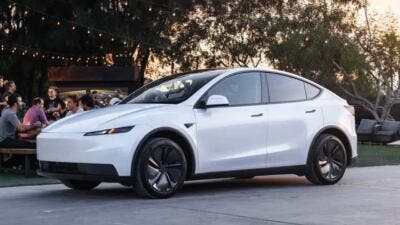
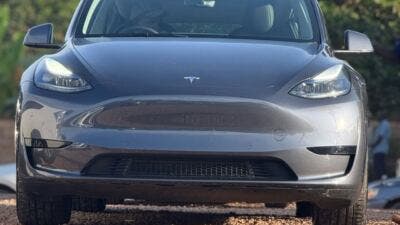
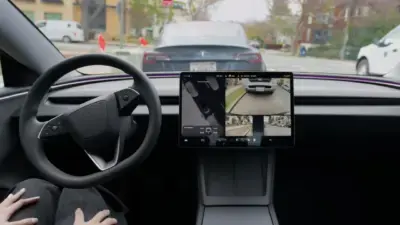
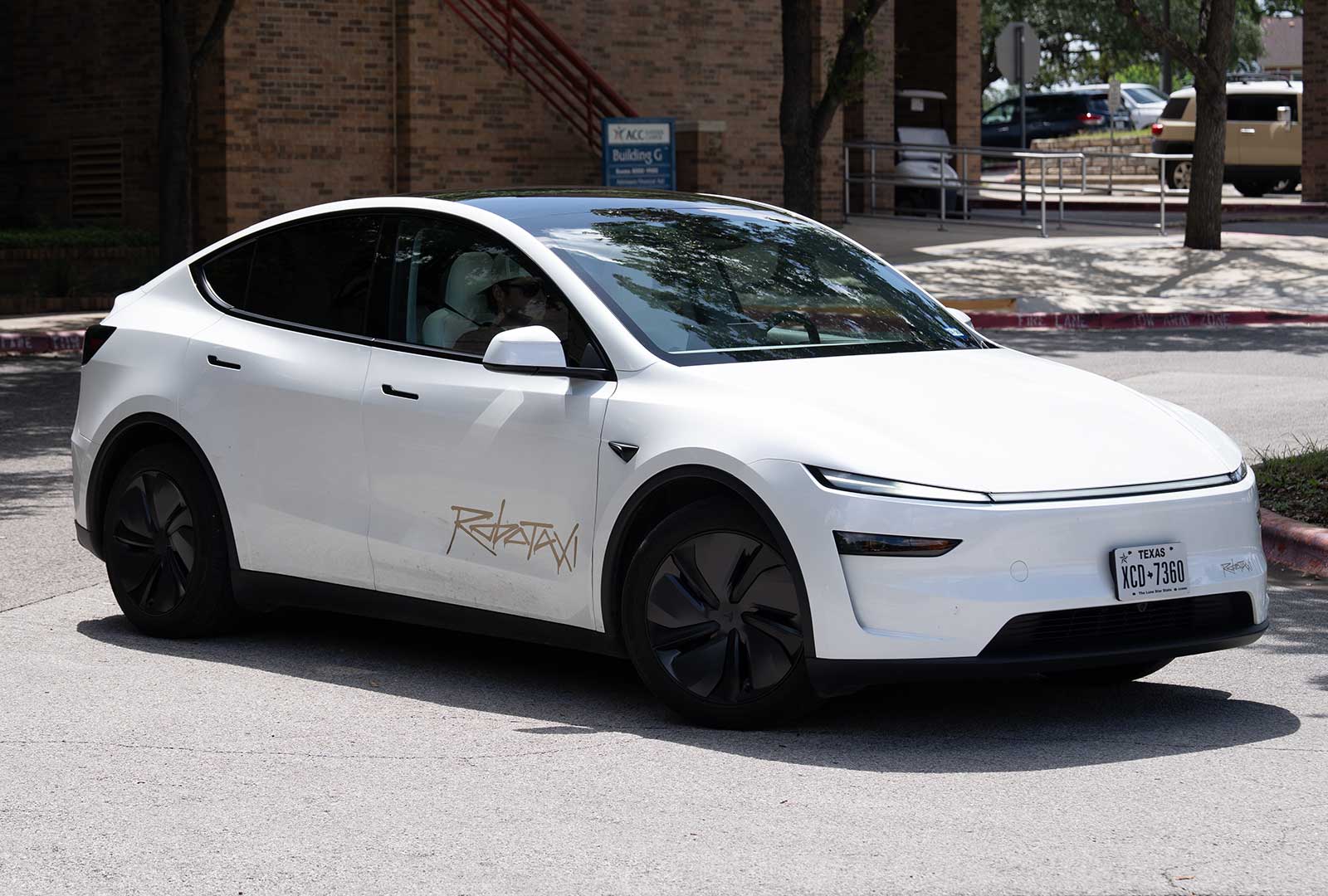
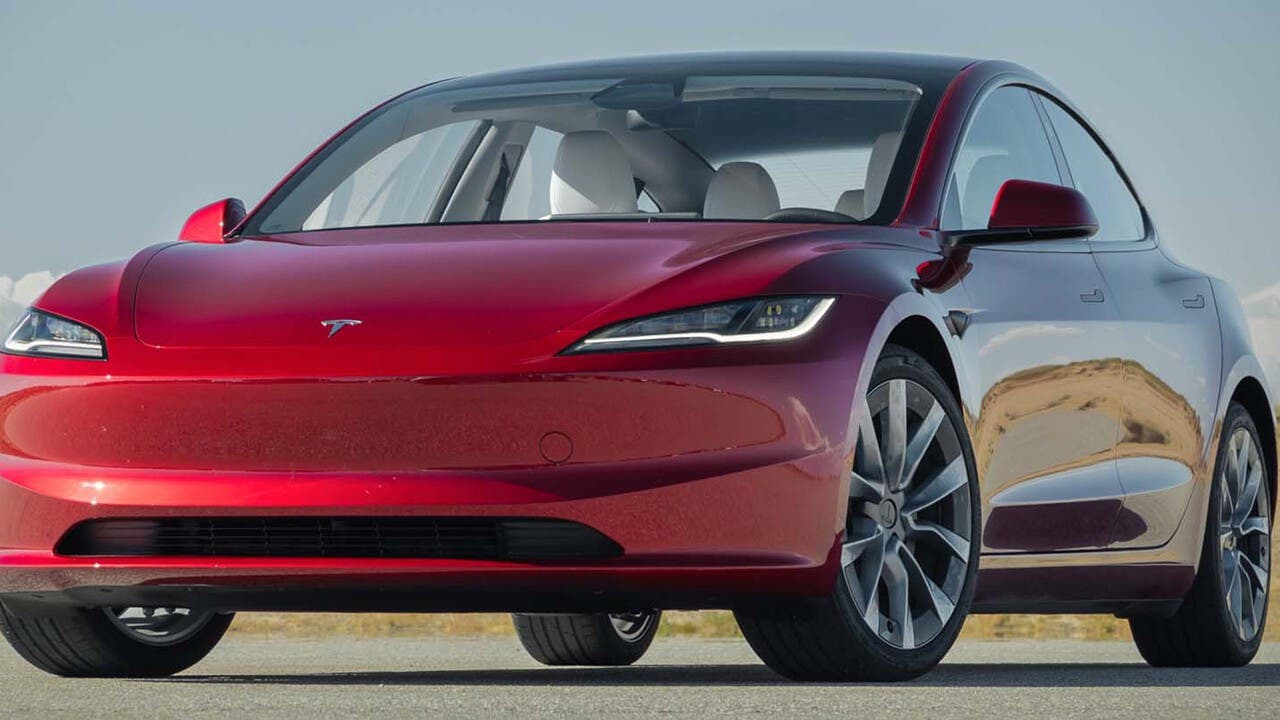
The relationship between the Model 3 and the Model Y is the clearest example of this strategy. Tesla has never hidden the fact that the two models share the same platform, powertrains, many interior components, and several structural parts. Elon Musk previously stated that the two vehicles are more than 70 percent similar. Seats, buttons, handles, and many other elements are identical. This approach allows Tesla to produce more efficiently, cut costs, and maintain high margins even in an increasingly competitive market. However, the fact that Tesla is now on the verge of losing, for the first time in many years, its leadership in electric vehicle sales clearly shows how fast the market is changing.