

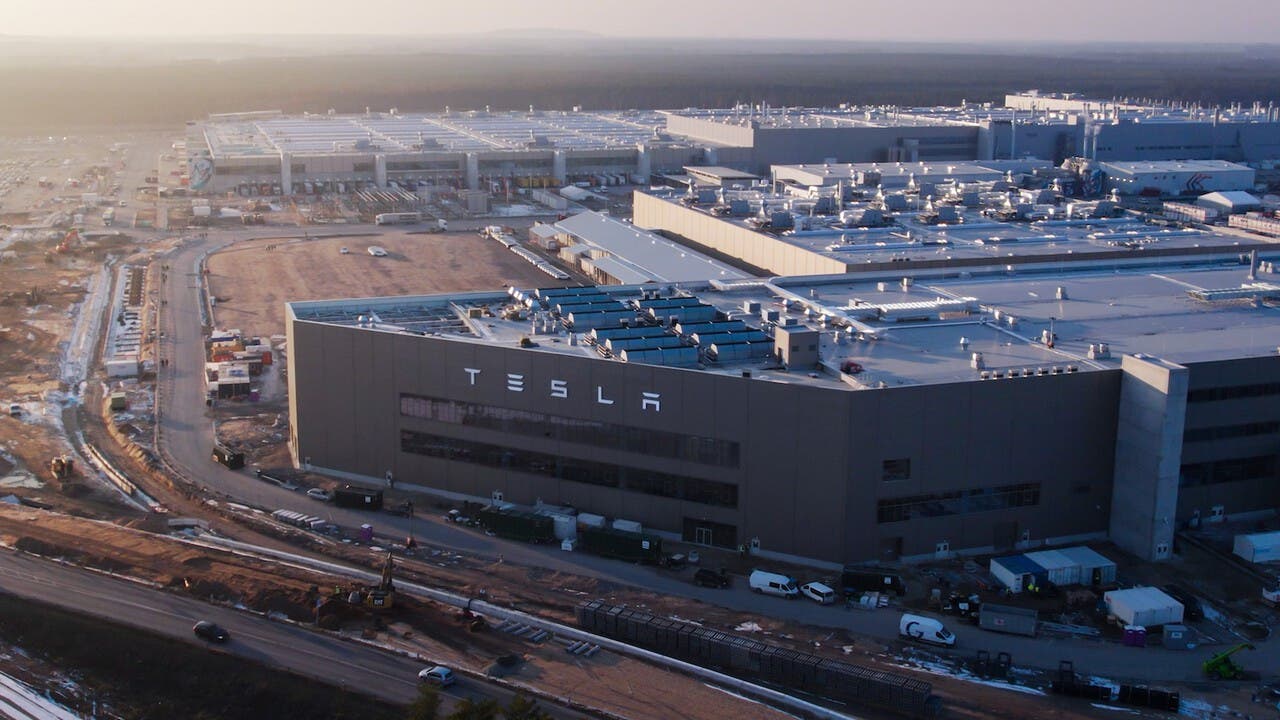
The unthinkable is starting to sound remarkably plausible. Could Tesla actually pull the plug on its German operations? Despite the fanfare of its 2022 opening, Giga Berlin is currently looking less like a crown jewel and more like a very expensive cautionary tale.
The numbers tell a story that Elon Musk’s X feed might conveniently ignore. While the site in Grünheide was designed to capitalize on a European boom, the reality is that Tesla’s registrations are cratering in major markets like Germany and France.
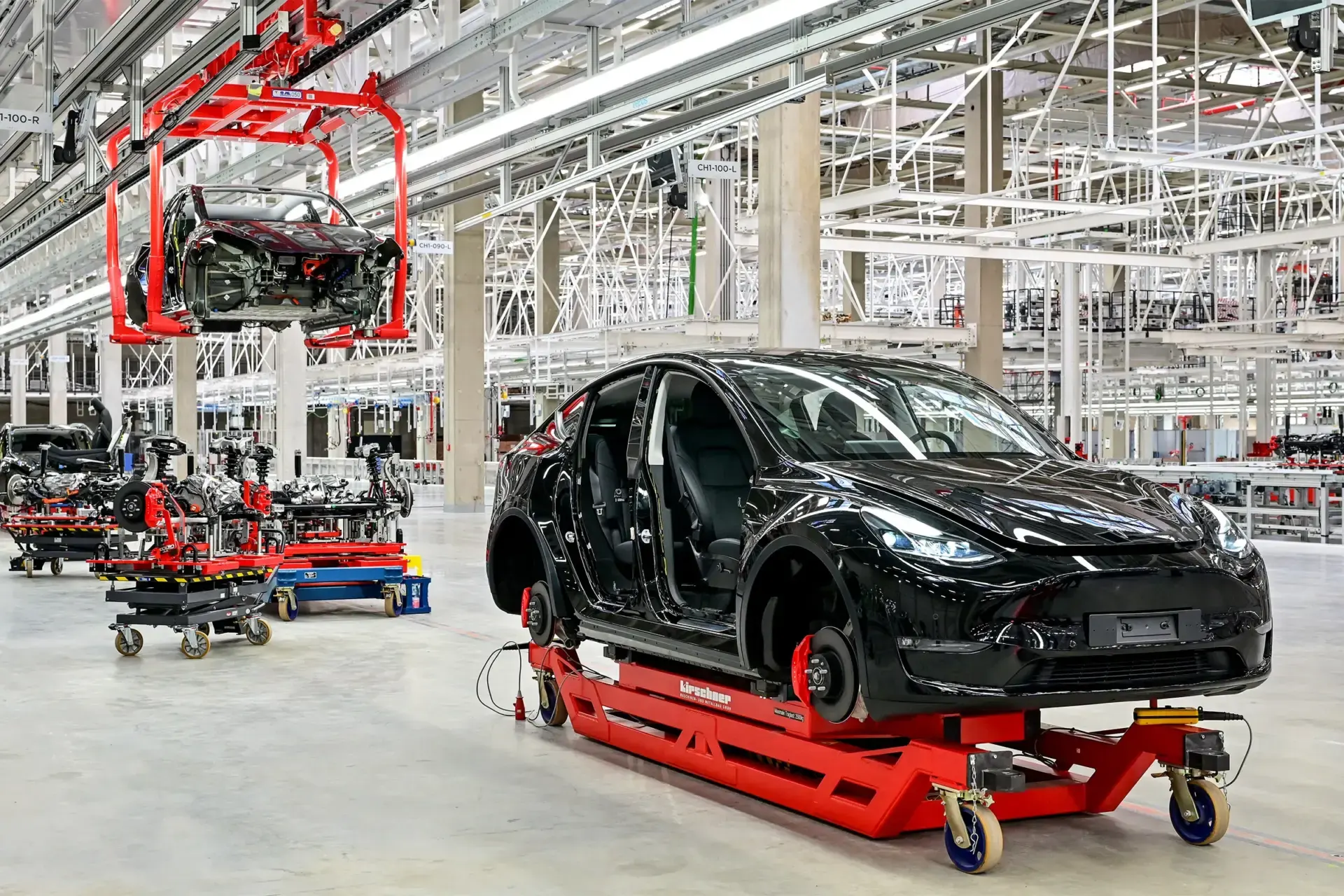
The economic logic of the plant is bleeding out. Giga Berlin has a theoretical capacity of 500,000 units, yet Tesla only delivered 235,322 models in Europe in 2025. This massive gap means the factory is nowhere near its full potential, and in the world of heavy industry, a half-empty factory is a financial black hole.
Back in 2022, when Tesla supplied Europe primarily from China and the U.S., it sold 233,000 units. In other words, after billions in investment and years of German bureaucracy, Tesla is essentially back where it started, just with more overhead and fewer reasons to celebrate.
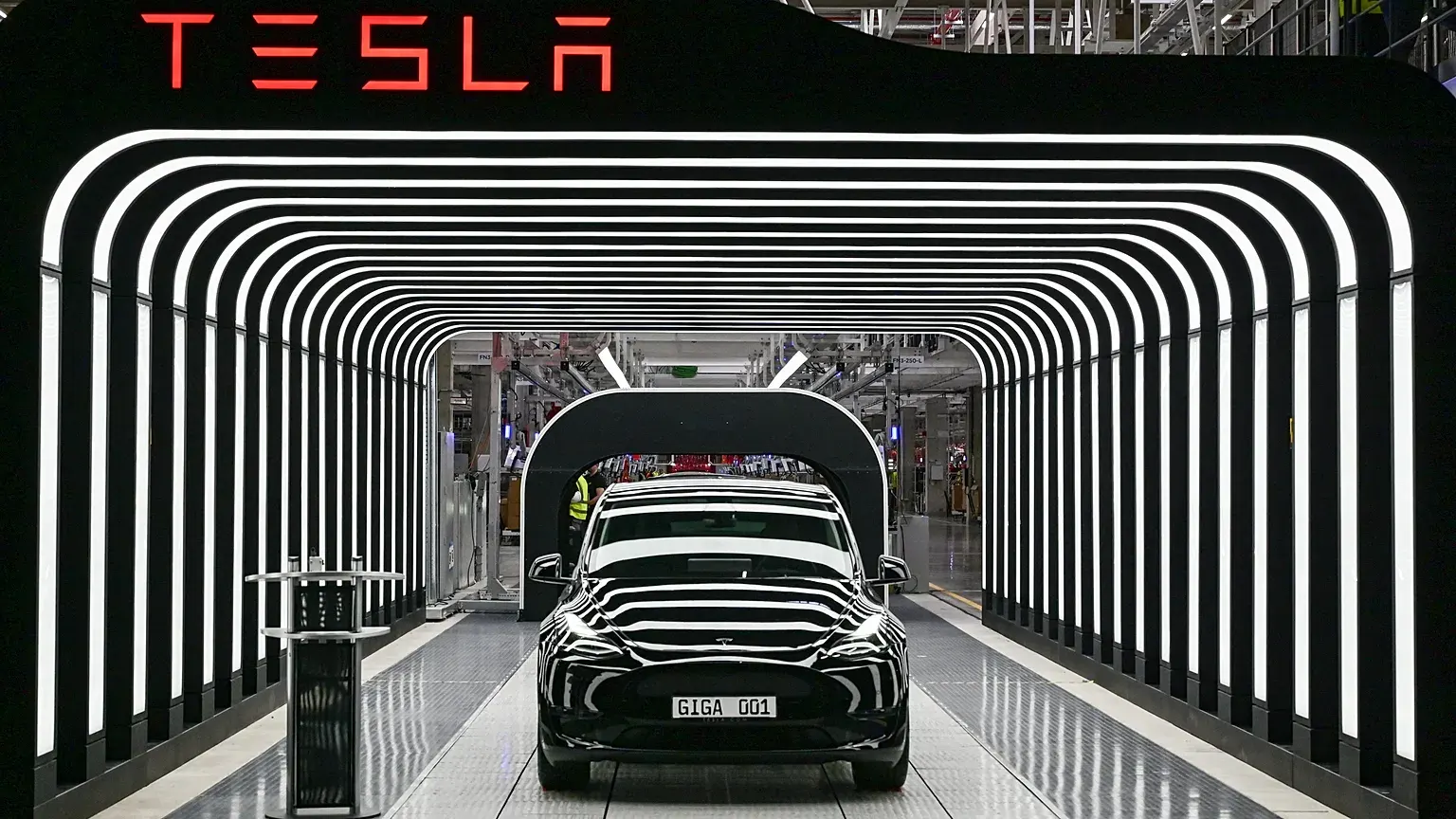
Adding to this commercial hangover is a brewing civil war on the factory floor. As the works council elections approach, the IG Metall union is flexing its muscles, demanding a 35-hour work week. A German industry standard that seems to give Tesla’s management hives. The response from the top has been less “diplomatic” and more “hostile takeover”. Factory director André Thierig has essentially threatened to freeze all future investments if the union gains ground, suggesting that Elon Musk isn’t exactly in the mood to expand a site that wants to work less while producing fewer cars.
Admitting that Giga Berlin was a misstep would be a catastrophic signal to the markets, effectively confessing that sustainable European growth is a mirage. Yet, with social tensions rising and sales sliding, the plant is trapped between high fixed costs and a market that just isn’t buying the hype anymore.