

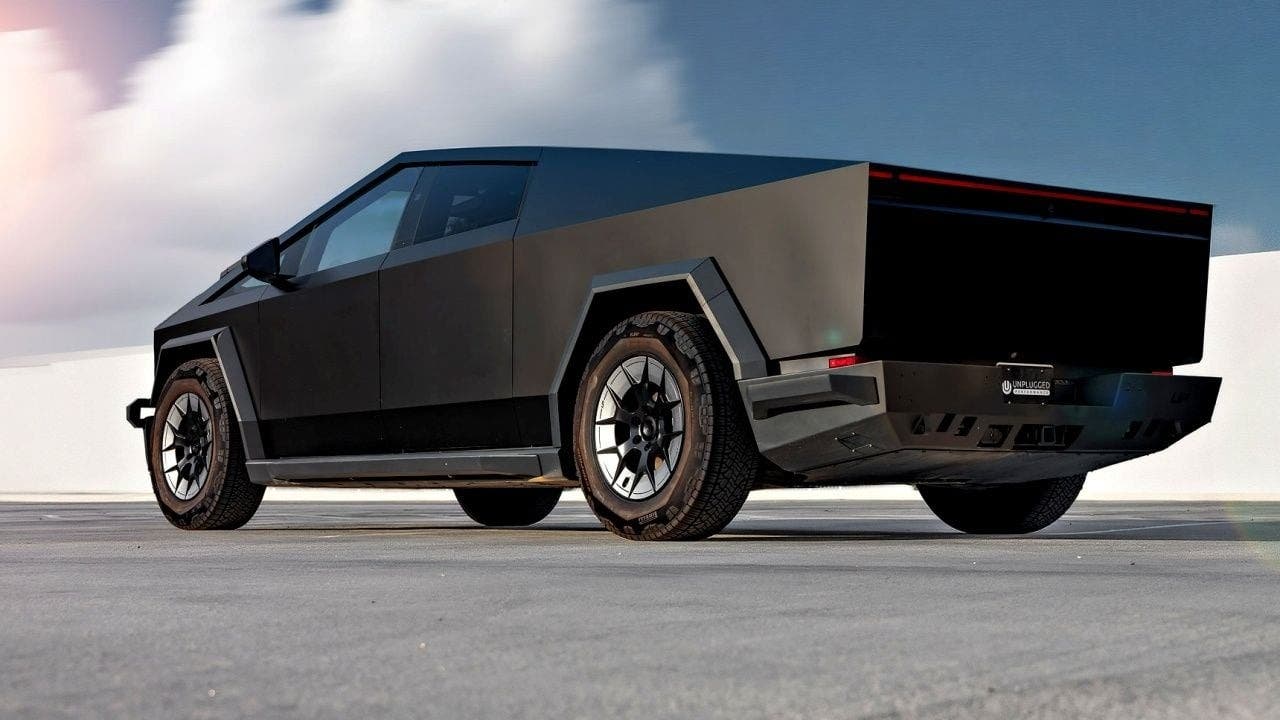
In August 2025, Tesla filed a particularly intriguing patent that could allow its cars to accelerate harder and stay firmly planted to the road with remarkable ease. Anyone familiar with Formula 1 may already recognize the concept.
The patent, now publicly accessible, describes an underbody that operates in different modes depending on speed. It features a sealed floor with active skirts, central fans that extract air from beneath the vehicle to create suction, and a system that actively manages all these elements.
Tesla patents a Formula 1–inspired ground-effect system to boost grip
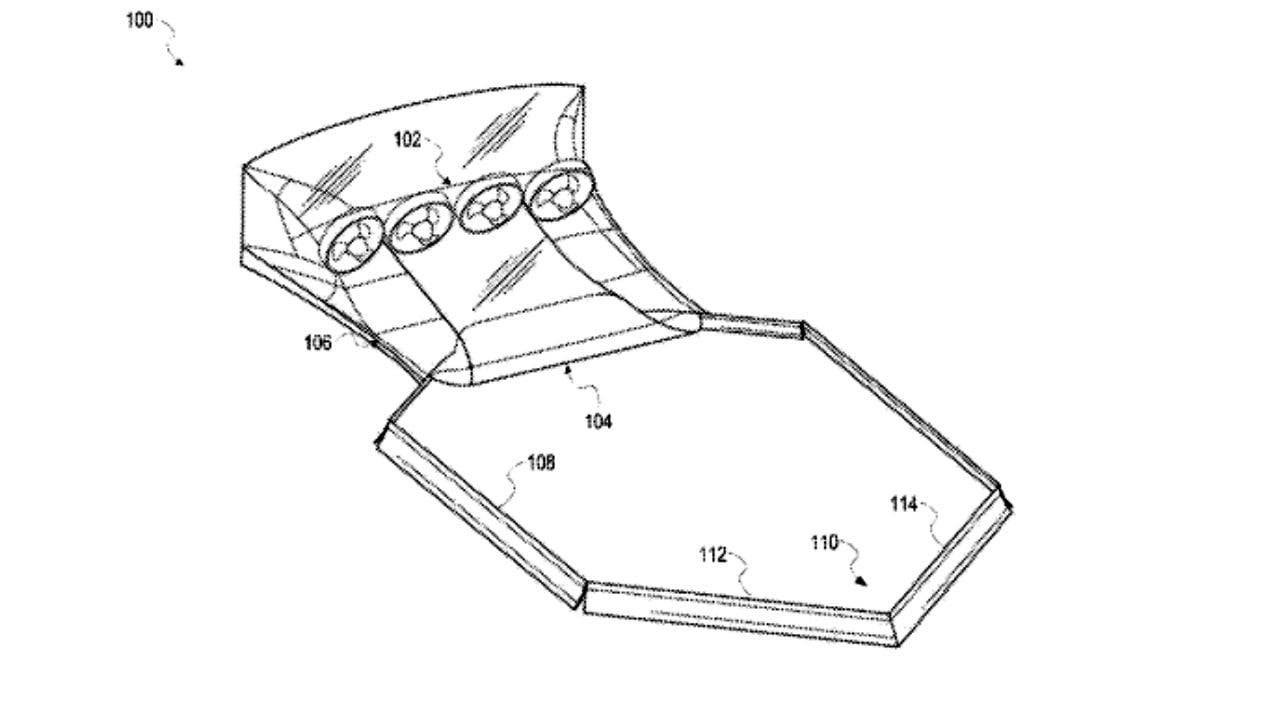
At low speeds on relatively smooth asphalt, the central fans run at full power, pulling air from under the car and expelling it rearward. The system can use up to four fans that activate at different moments, generating a low-pressure zone inside a sealed area. When the side skirts deploy, split between lateral and front sections, they channel airflow into a dedicated duct, isolating the suction effect.
At higher speeds and on uneven surfaces, the side skirts remain fully open. The system continuously adjusts them based on vehicle speed, road conditions, and the level of grip required. It also differentiates between Normal or Eco driving and a dedicated track mode, while integrating GPS data, pitch and roll control, and real-time vehicle monitoring systems.
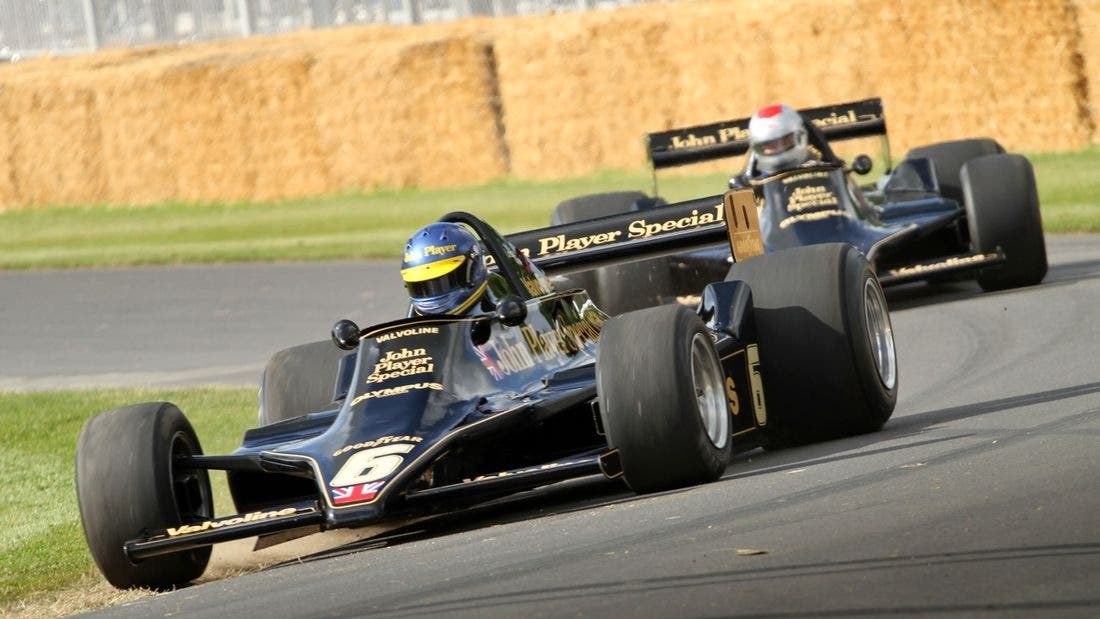
Does this sound familiar? Even though Tesla never explicitly uses the term, the concept clearly echoes ground effect aerodynamics, the same principle that glued modern Formula 1 cars to the tarmac from 2022 to 2025. More precisely, it recalls the original ground-effect solutions used between 1978 and 1982, which relied on sliding side skirts to seal the underbody.
Two historic references stand out. The first is the Lotus 79, which dominated the 1978 season with Andretti and Peterson by perfecting one of Colin Chapman’s most brilliant ideas. That car also marked the final world title for Team Lotus before Chapman’s death and the team’s subsequent decline. The second reference is the Brabham BT46B, the infamous “fan car” that won the 1978 Swedish Grand Prix with ease before regulators banned it.
Gordon Murray designed the BT46B, so it comes as no surprise to see the same concept appear in later projects such as the GMA T.50 and its derivatives. Among modern vehicles using a similar solution, the McMurtry Spéirling stands out as the current record holder at the Goodwood Festival of Speed. In Formula 1, regulators eventually deemed the system dangerous if the skirts failed, especially after the fatal accident involving Patrick Depailler, and banned it after 1982 as the original turbo era began.
Unlike Murray’s original design, Tesla’s patent focuses on one or more configurable fans that actively extract air from beneath the car. Managed in this way, the technology opens the door to multiple applications. It can deliver levels of grip that exceed what traditional body-mounted aerodynamic devices or diffusers can achieve. And one of those applications feels unmistakably American.
The patent explicitly mentions 0–60 mph acceleration, pointing directly to drag racing and autocross scenarios. In this first mode, the system deploys both front and side skirts to fully seal the underbody. For high-speed operation, a second mode activates, keeping the side skirts engaged while running all fans to maximize downforce and stability.