

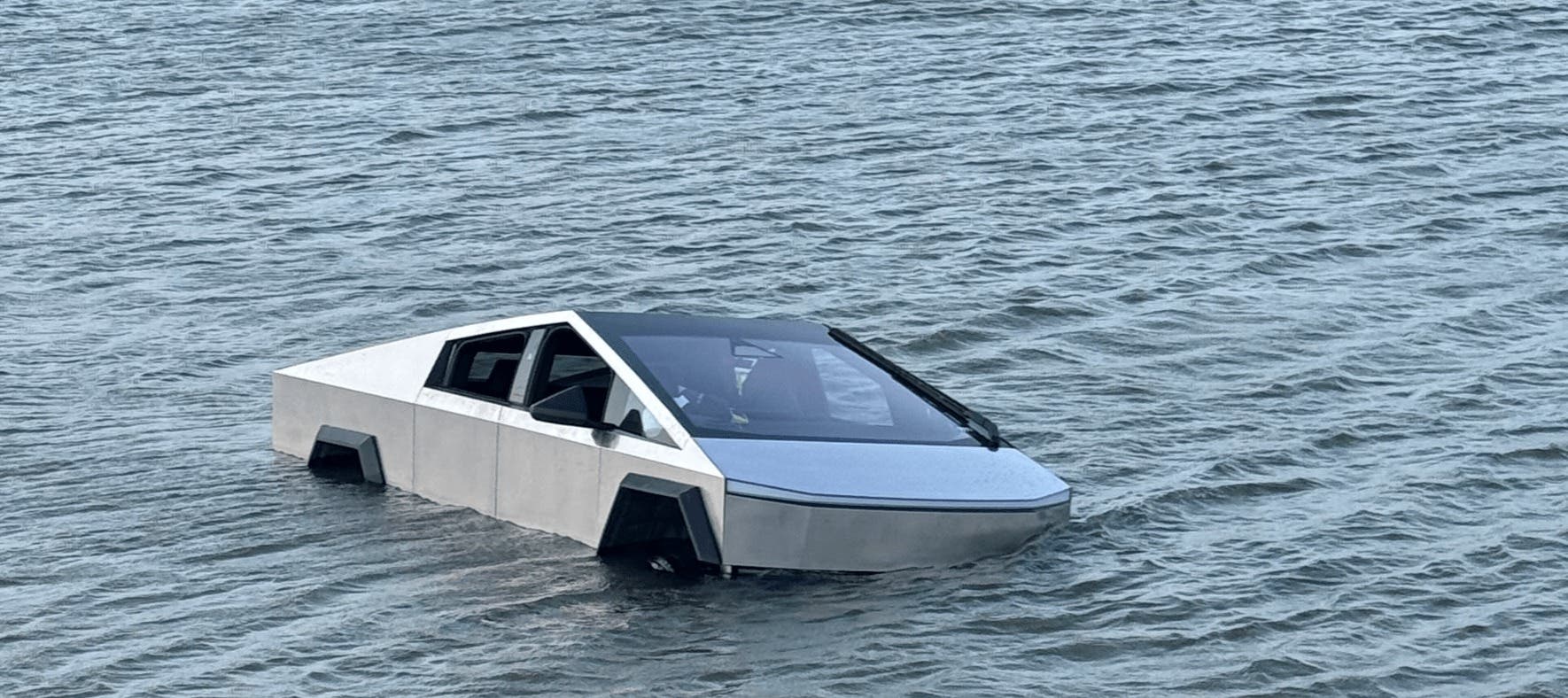
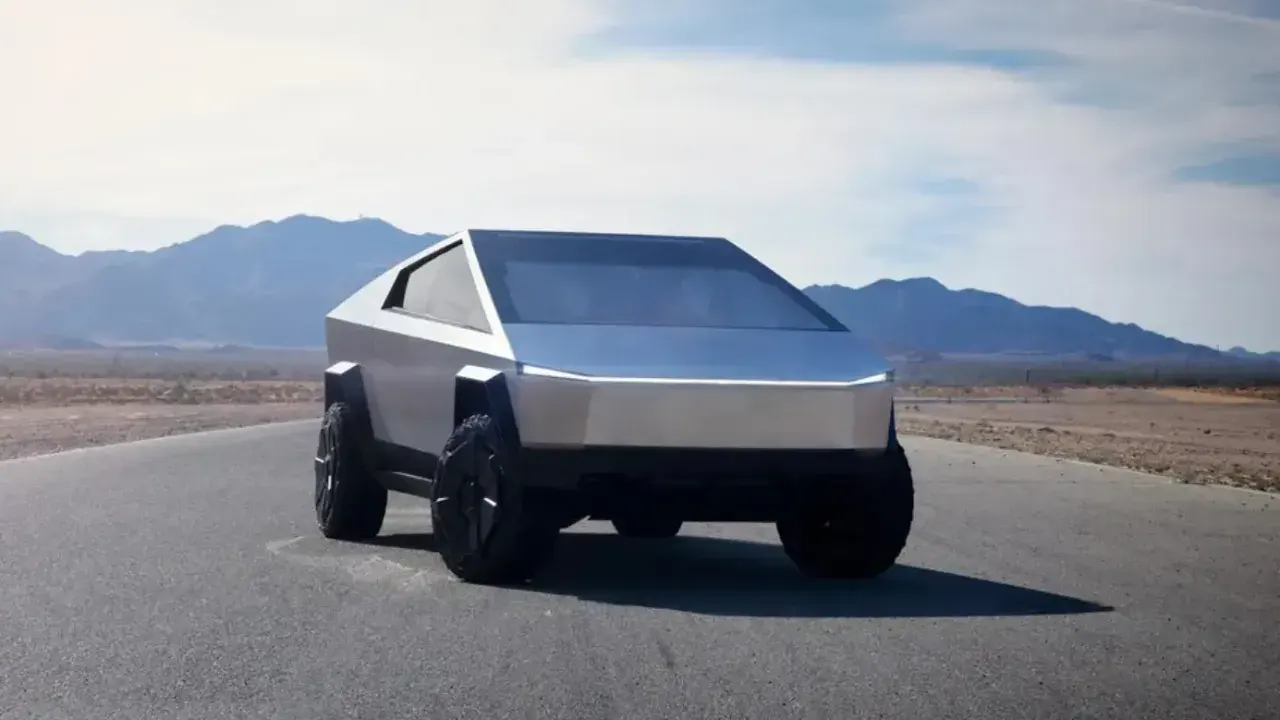
The Tesla Cybertruck’s Wade Mode increases ground clearance and pressurizes the battery pack during shallow-water crossings. Tesla indicates a maximum depth of about 32 inches from the bottom of the tire, a figure suitable for controlled fording but not for deep-water navigation.
That technical distinction did not stop a Texas owner from deliberately driving his Cybertruck into Grapevine Lake near Dallas, triggering an emergency response and his own arrest on multiple charges.
Tesla Cybertruck owner tests Wade Mode in a lake and gets arrested
The incident happened Monday evening at around 8 p.m. at the Katie’s Woods Park boat ramp, where Grapevine police and firefighters responded after receiving a report of an electric pickup stuck in the lake.
According to authorities, the driver said he intentionally took the vehicle into the water to test Wade Mode. However, the Cybertruck shut down while still in the lake and began taking on water, forcing the passengers to abandon it and requiring the water rescue team to remove it. The man was arrested on charges including driving in a closed section of the park and lake, operating without valid vessel registration and violating boating safety equipment rules.
This is not an isolated case. In California, another Cybertruck got stuck in water, with the Highway Patrol joking that Wade Mode does not mean Submarine Mode. A similar incident occurred at Ventura Harbor during the launch of a jet ski, while in Europe an imported Cybertruck in Slovakia ran into trouble in a lake.

All these cases share a recurring element: owners interpreting Elon Musk’s 2022 comments too literally. Before production began, Musk described the Cybertruck as waterproof enough to work “almost like a boat“, able to cross rivers, lakes and even short stretches of sea. He even mentioned the possible crossing between Starbase and South Padre Island.
The gap between those statements and the actual technical limits of Wade Mode continues to create situations in which owners subject the vehicle to conditions it was not designed to handle. That also adds the risk that Tesla’s warranty may not cover damage caused by improper use in water or off-road conditions.