Tesla played a decisive role in reshaping public perception of electric vehicles long before the wider automotive industry fully committed to electrification. Its influence on the market remains evident today, even though media attention increasingly focuses on Elon Musk himself rather than on the company’s products.
Elon Musk says Tesla could one day build factories on the moon
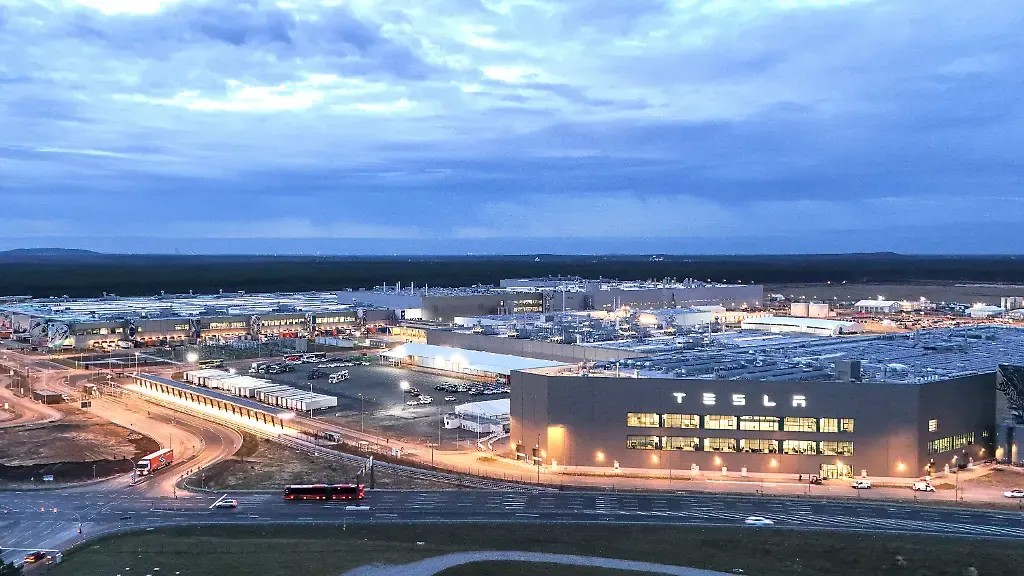
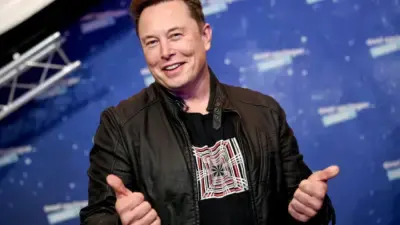
In a recent interview with André Thierig, head of Tesla’s Berlin Gigafactory, Musk once again outlined the trajectory he envisions for Tesla in the coming years and decades. The discussion touched on topics ranging from autonomous driving and humanoid robots to production expansion strategies and the possible transformation of mobility and work. It should be noted that the interview took place within Tesla’s own ecosystem and was shared through the CEO’s social media channels.
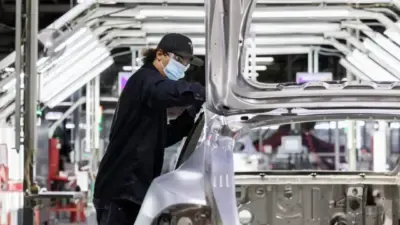
From an industrial perspective, Tesla is currently working to expand production capacity at its factories across several regions of the world, with the Berlin Gigafactory representing a key pillar of its European strategy. The expansion does not concern vehicle assembly alone but also the internal production of battery cells and the gradual vertical integration of additional technologies. According to Musk, this path can continue provided that the European regulatory and political environment remains supportive.
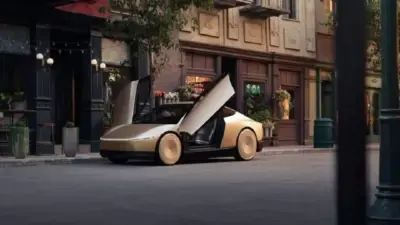
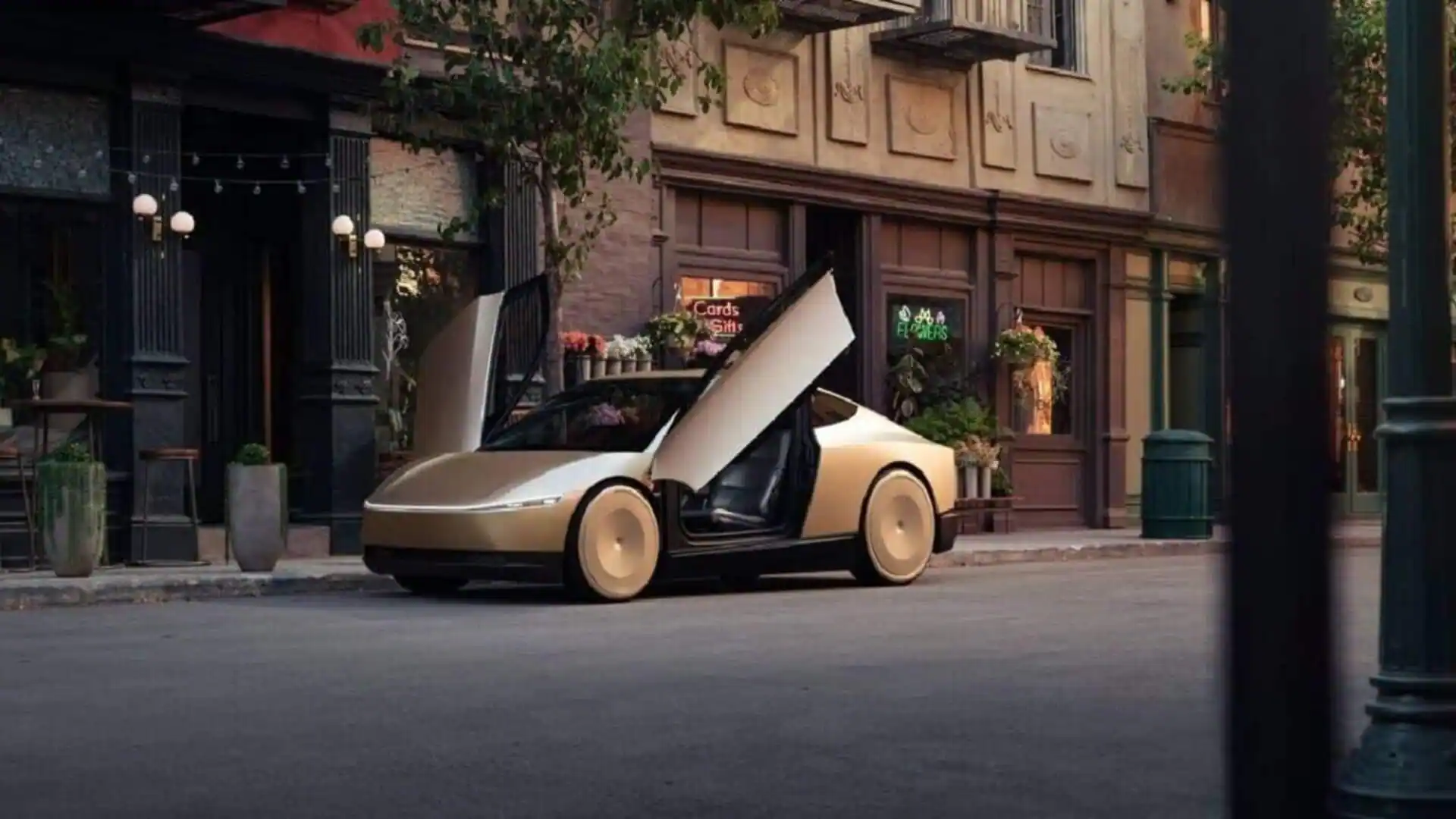
Autonomous driving remains one of the core elements of Tesla’s long-term vision. Musk continues to defend Tesla’s approach, which relies primarily on cameras and artificial intelligence rather than heavy use of sensors such as lidar and radar. He believes that approval of the Full Self-Driving system in Europe could arrive in the relatively near future. According to Musk, widespread adoption of autonomous driving would fundamentally transform the daily driving experience by reducing stress and minimizing human error, which still represents the leading cause of road accidents. Beyond private vehicles, Tesla is developing the CyberCab, a vehicle designed for autonomous urban mobility services, and the Semi, its electric truck aimed at the logistics sector.
Looking further ahead, Musk devoted part of the conversation to the Optimus humanoid robots, an area in which Tesla continues to increase its investments. The idea behind the project is that a wide range of repetitive or physically demanding tasks could gradually be handled by autonomous machines. According to Musk, the implications could extend to fields such as healthcare, manufacturing and elderly care. He even suggested that robots could eventually assist in complex medical procedures, potentially making advanced treatments accessible to a far larger number of patients.
The most striking suggestion, however, concerns a much longer time horizon. Musk speculated that within roughly twenty years Tesla could build production facilities on the Moon. At present this idea lacks technical details or a defined roadmap, but it aligns with the long-term narrative the CEO has often promoted around his companies. During the same interview, Musk also reiterated his confidence in Tesla’s future value growth and encouraged investors to maintain their positions. As is often the case with Musk’s statements, the real measure of such claims will ultimately depend on the company’s results over time.