

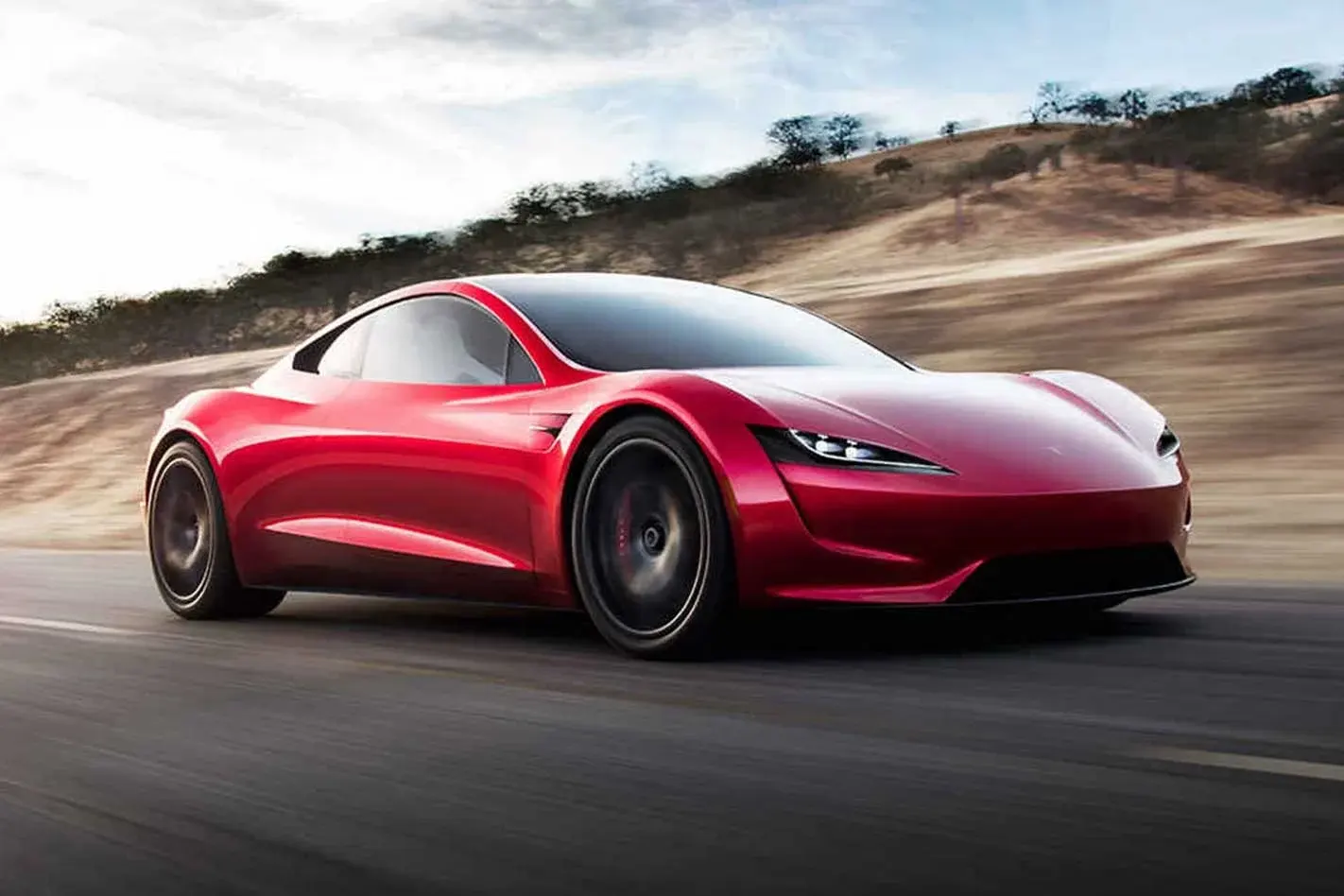
Tesla chief engineer Lars Moravy confirmed that the Tesla Roadster 2.0 will be built at Giga Texas during an appearance on Ryan McCaffrey’s Ride The Lightning podcast. This marks the first official indication of the electric sports car’s production site, a detail that even Tesla’s first-quarter 2026 corporate documentation had not yet linked to a specific factory.
The project, first presented in 2017 alongside the Tesla Semi, which entered mass production only a few weeks ago, still remains surrounded by uncertainty almost a decade later. Elon Musk has repeatedly indicated possible launch windows for the car, first mentioning April and then a more generic “by April,” but none of those deadlines materialized.
Tesla Roadster 2.0 will be built at Giga Texas, but questions remain
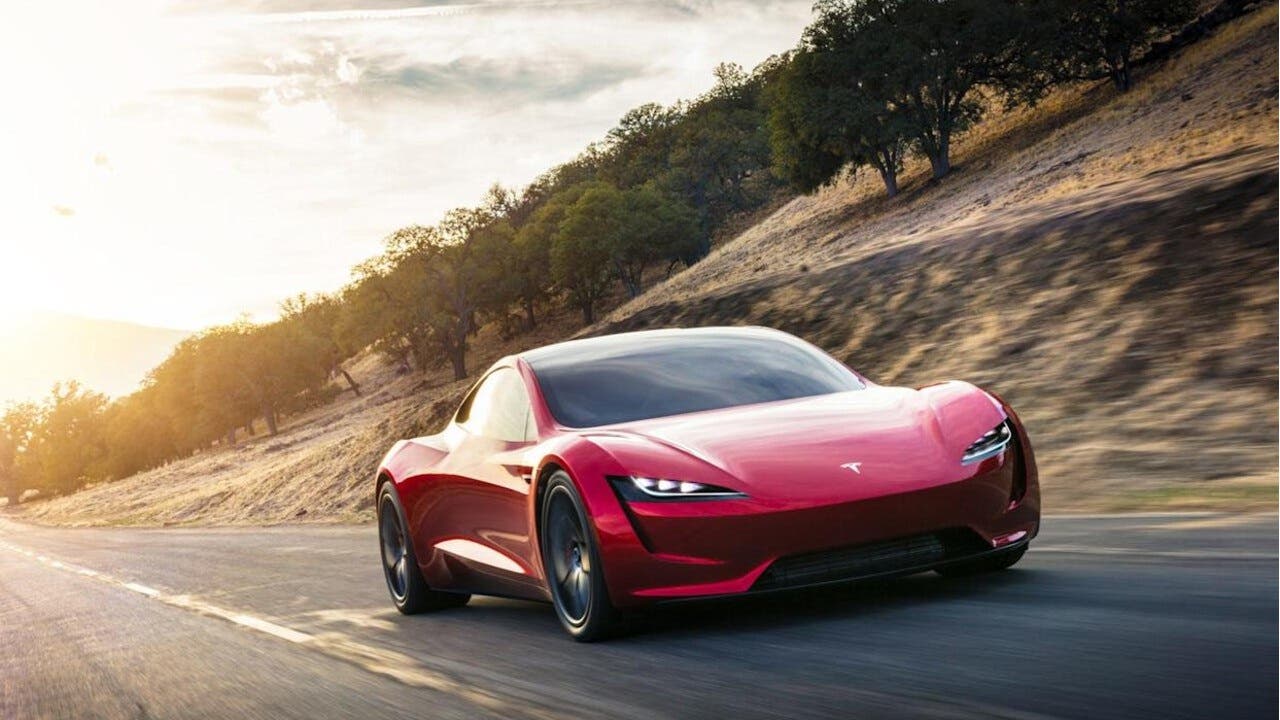
So far, no road-testing prototypes have appeared in public, and Moravy himself, while confirming Giga Texas, referred to “early plans” for production. That wording suggests the program has not yet reached an advanced operational phase.
Tesla’s current context also matters. The brand has clearly shifted much of its attention toward autonomous driving, robotics and artificial intelligence, while updates to production models have remained limited to relatively modest changes for the Model 3 and Model Y. At the same time, the Model S and Model X have gradually lost importance within the lineup.
In this scenario, the Roadster remains one of the few new vehicles that Musk continues to mention insistently, although the gap between promises and facts has fueled growing skepticism among observers and potential customers.
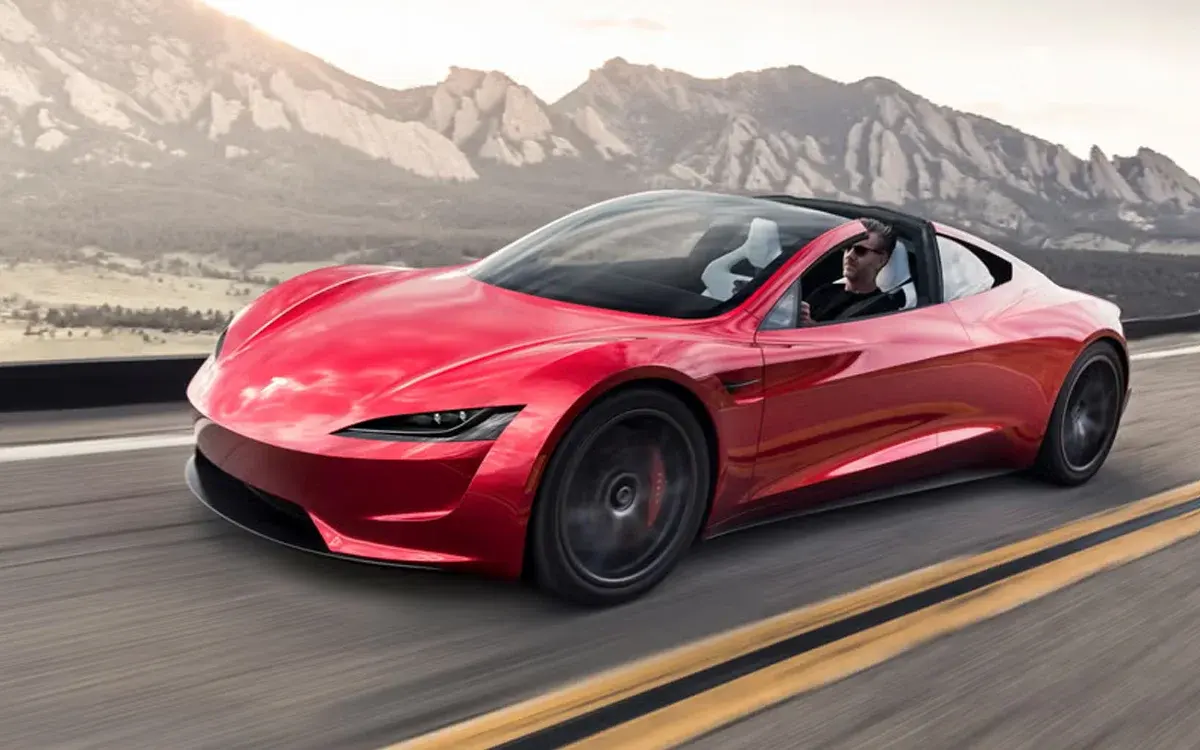
One element that may point to a real commitment to high-performance cars is the construction of a test track inside the Gigafactory Texas area. The latest images show an oval layout for high-speed testing, chicanes to evaluate dynamic behavior and an off-road course inside the facility.
That infrastructure investment would be difficult to justify with the Roadster alone, since the sports car should remain a niche model produced in limited numbers. Instead, it suggests a broader Tesla interest in developing vehicles with a stronger dynamic focus. It remains to be seen whether and when all this will lead to the presentation of the final production version of the Roadster and, above all, to the actual start of deliveries.