

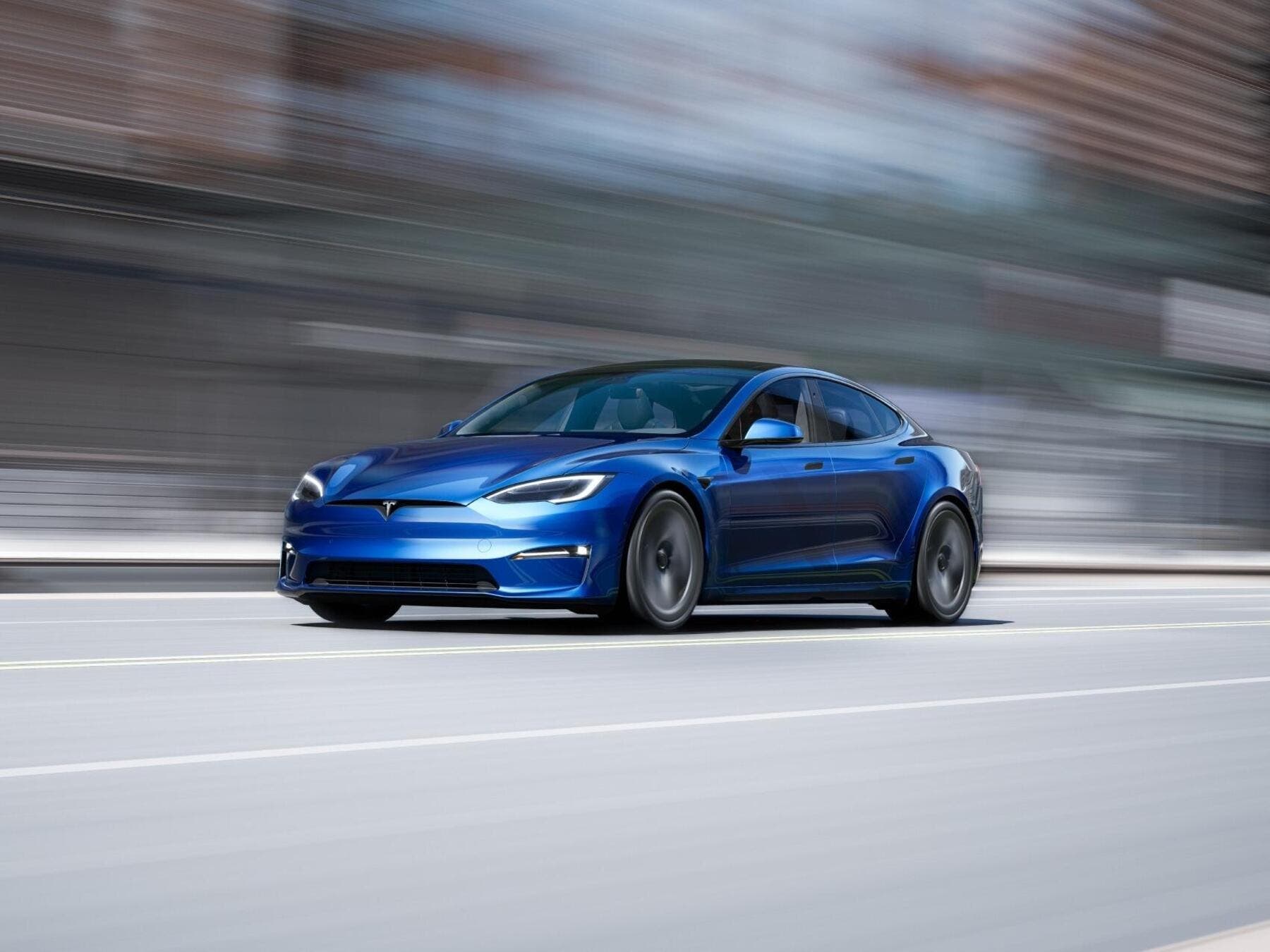
In the United States, a Tesla Model S owner has sparked debate after facing a bitter decision. According to Carscoops, the man discovered that replacing or upgrading his car’s battery would cost almost as much as the vehicle’s current market value.
The car in question is a 2013 Tesla Model S, one of the early versions of the electric sedan that helped reshape the automotive industry. At the time, its performance and driving range set new standards. More than ten years later, the car still delivers a solid driving experience, but the battery has become an unavoidable issue.
Replacing a Tesla Model S battery can cost as much as the car itself
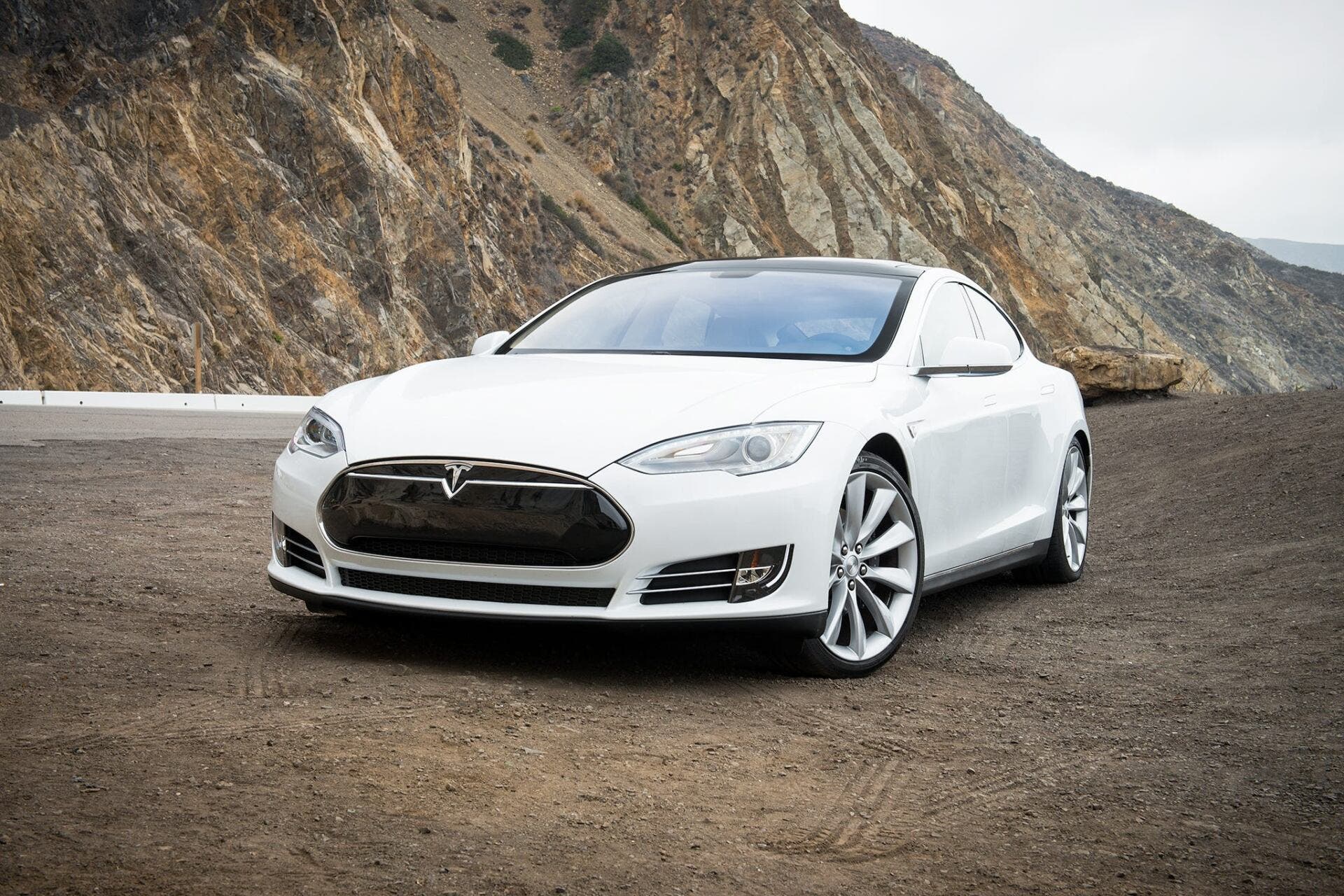
The owner contacted a Tesla service center in Wisconsin to evaluate a battery replacement. Tesla offered two options. The first involved installing a 60 kWh battery, equivalent to the original one. The second option proposed an upgrade to a 90 kWh pack, which would provide greater range. On paper, the upgrade sounded appealing, until the price came into play.
Tesla quoted $13,830 for the 60 kWh battery. That amount already feels steep for a vehicle more than a decade old. The 90 kWh option raised the bill even further, reaching $18,000, plus an additional $4,500 for installation and required modifications.
Today, a first-generation Tesla Model S sells for around $20,000 on the used market, depending on mileage and condition. In practice, replacing the battery can cost almost as much as buying the car itself.
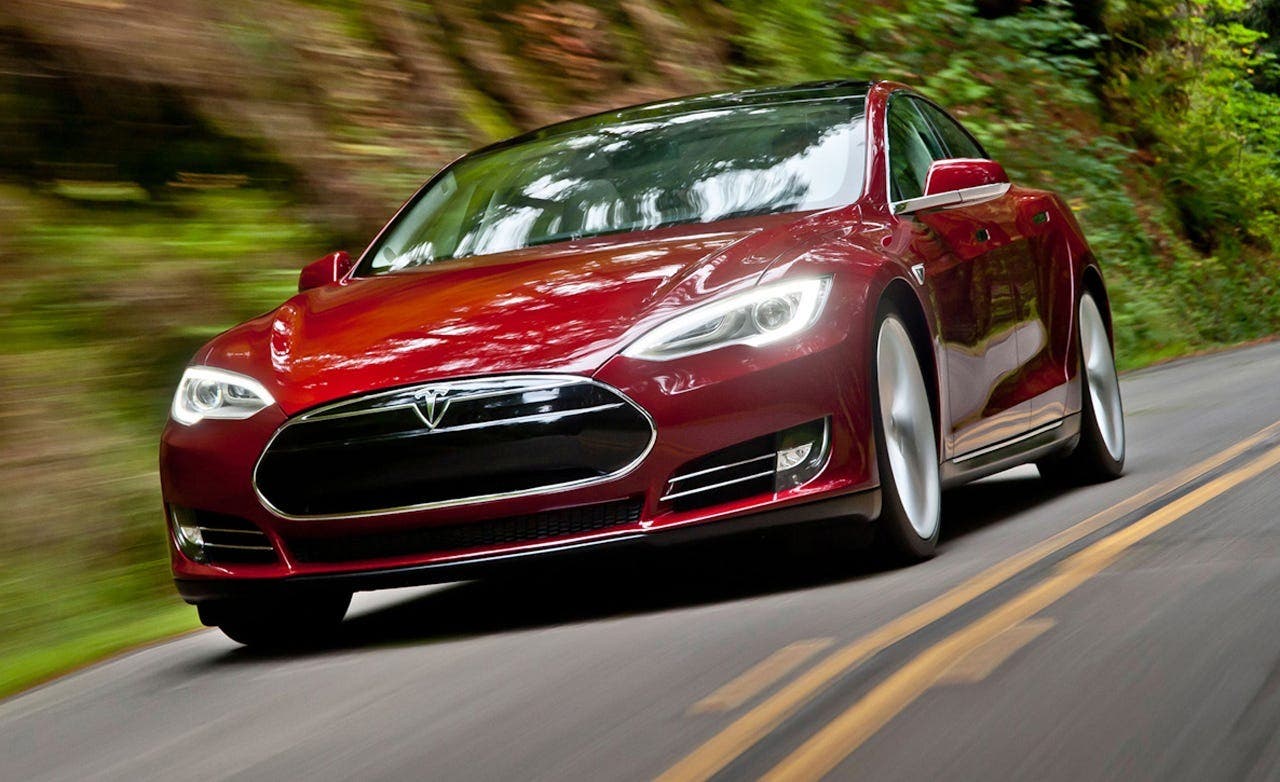
The case quickly went viral online. Some owners report driving more than 300,000 kilometers on the original battery without major issues, while others describe performance drops or failures that make replacement unavoidable. In those situations, the expense becomes hard to justify and raises serious doubts about long-term ownership.
Alternative solutions do exist. Several independent companies specialize in refurbishing or replacing Tesla batteries using reconditioned components. These options usually cost less than official replacements, but they still involve significant expense and may not guarantee the same long-term reliability.
This case highlights a growing issue for owners of older electric vehicles. When battery performance declines or replacement becomes necessary, costs can quickly outweigh the car’s value. The problem hits the used EV market especially hard, where high repair expenses often erase any financial advantage of owning an electric car.