We all saw the wall coming, but Stellantis decided to floor the accelerator anyway. For years, the corporate mantra was “Electric or bust”, backed by a series of STLA platforms that were supposed to conquer the world. Well, newsflash, the world didn’t want them. Now, with Antonio Filosa stepping into the CEO hot seat to clean up the mess left by the Tavares era, the “Great Backpedal” has officially begun. It turns out that building cars nobody wants to buy isn’t exactly a sustainable business model.
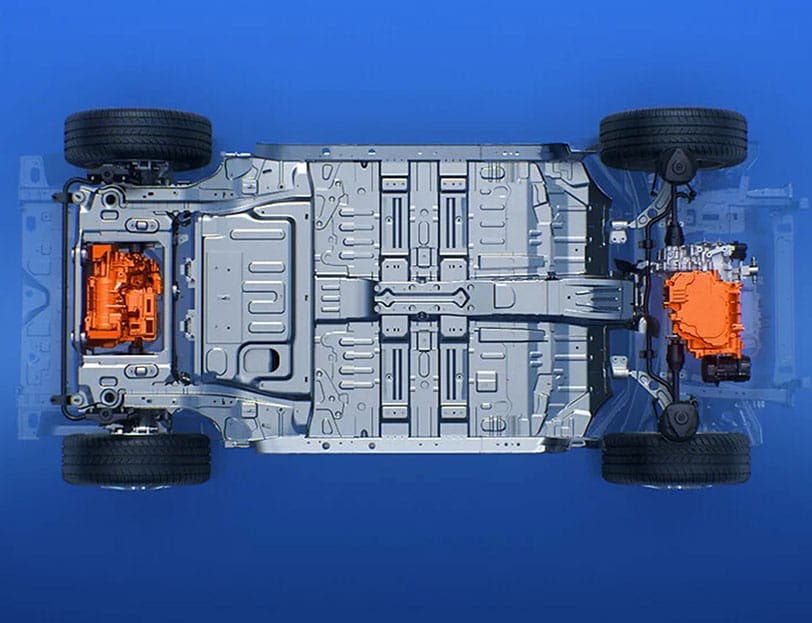
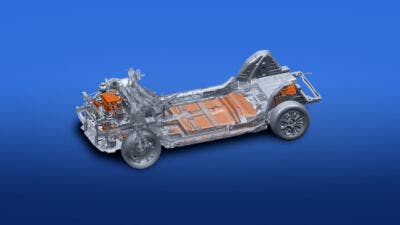
Rumor has it that the STLA Small and STLA Medium platforms are already headed for the scrap heap of history. They had the shelf life of a carton of milk in the Sahara. Why? Because they were designed as “EV-first” monuments to a green utopia that keeps refusing to materialize. Meanwhile, the STLA Large is sitting in a corner, sweating, with its destiny likely already sealed. Stellantis has finally looked at the sales charts and realized that the “miracle of the battery” is currently a nightmare.
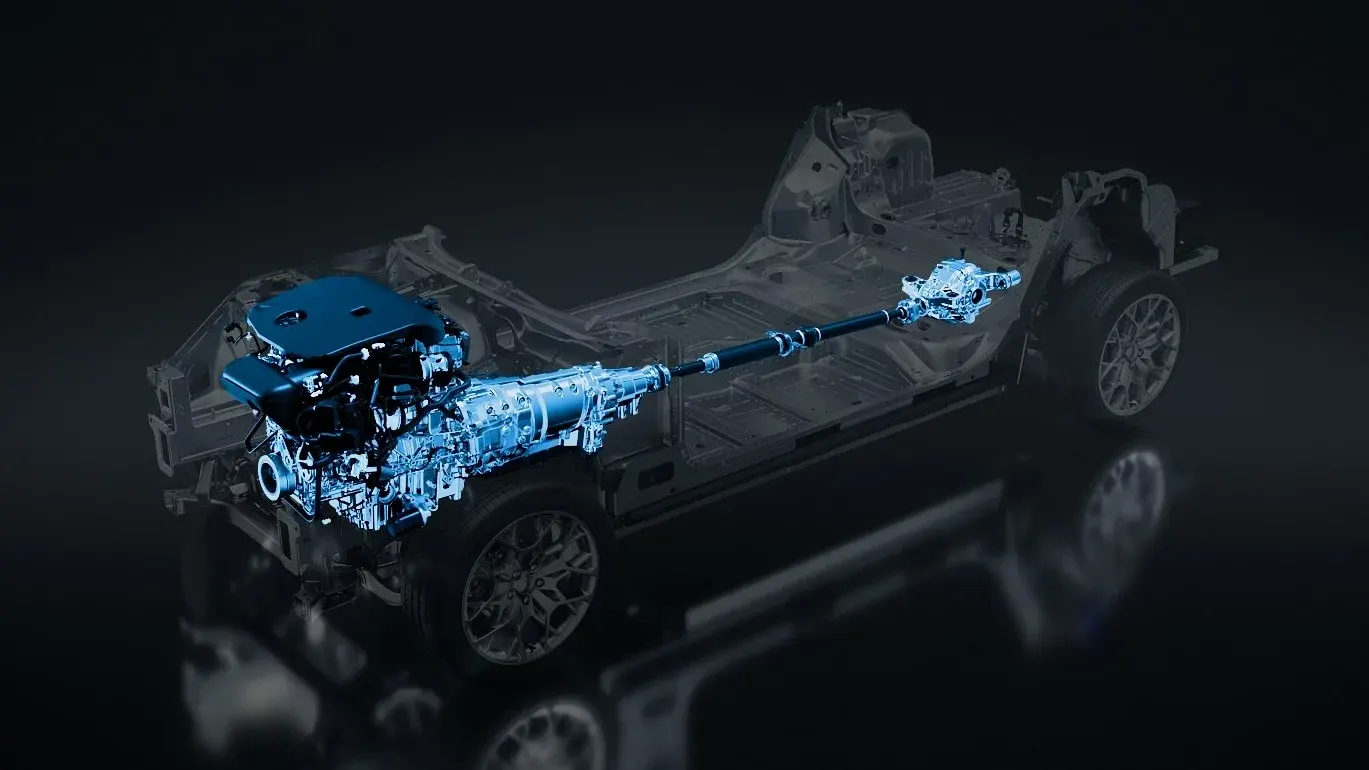
The new strategy is as old as time: give the people what they actually want. Between now and 2035, the group is doubling down on hybrid technology. We’re talking about a total structural revolution.
While the cars scheduled for the next couple of years are stuck with the current platforms, everything post-2028 is getting a “multi-energy” makeover. The successor to the STLA Small will likely be a Frankenstein’s monster derived from the old CMP, because it actually works and doesn’t cost an arm and a leg to produce.
And then there’s the Alfa Romeo tragedy. While everyone is whispering about the “Giorgio Evo” platform making a triumphant return for the new Giulia and Stelvio, the higher-ups are staying suspiciously quiet.
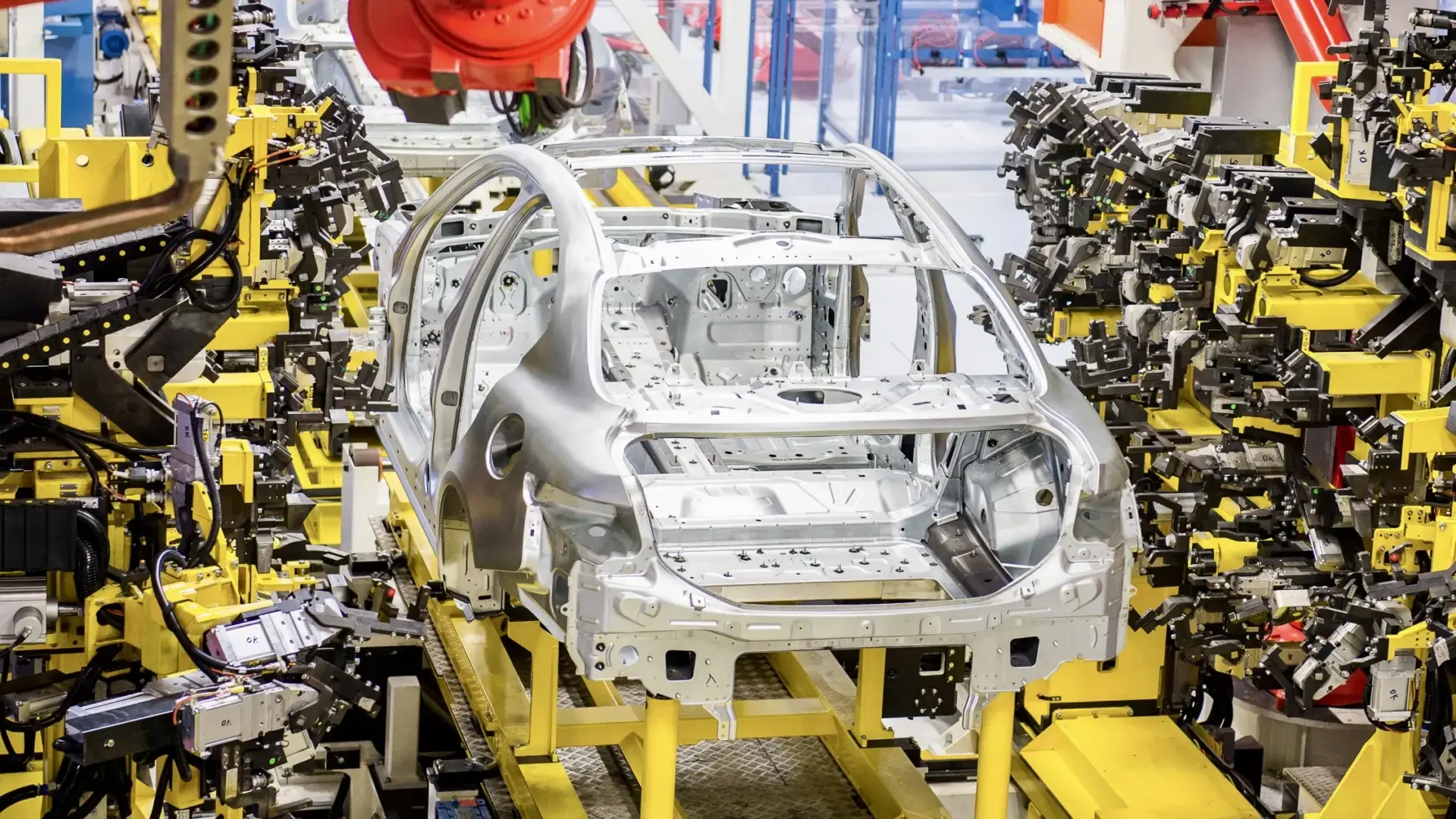
Everything comes to a head on May 21st. That’s the day Antonio Filosa pulls back the curtain on the new strategic plan. Expect a lot of fancy slides and corporate jargon. But the subtext will be clear: Stellantis is desperately trying to regain the ground it lost while chasing “green” fantasies. They’ve finally realized that to survive, they need to stop building gadgets and start building cars again.