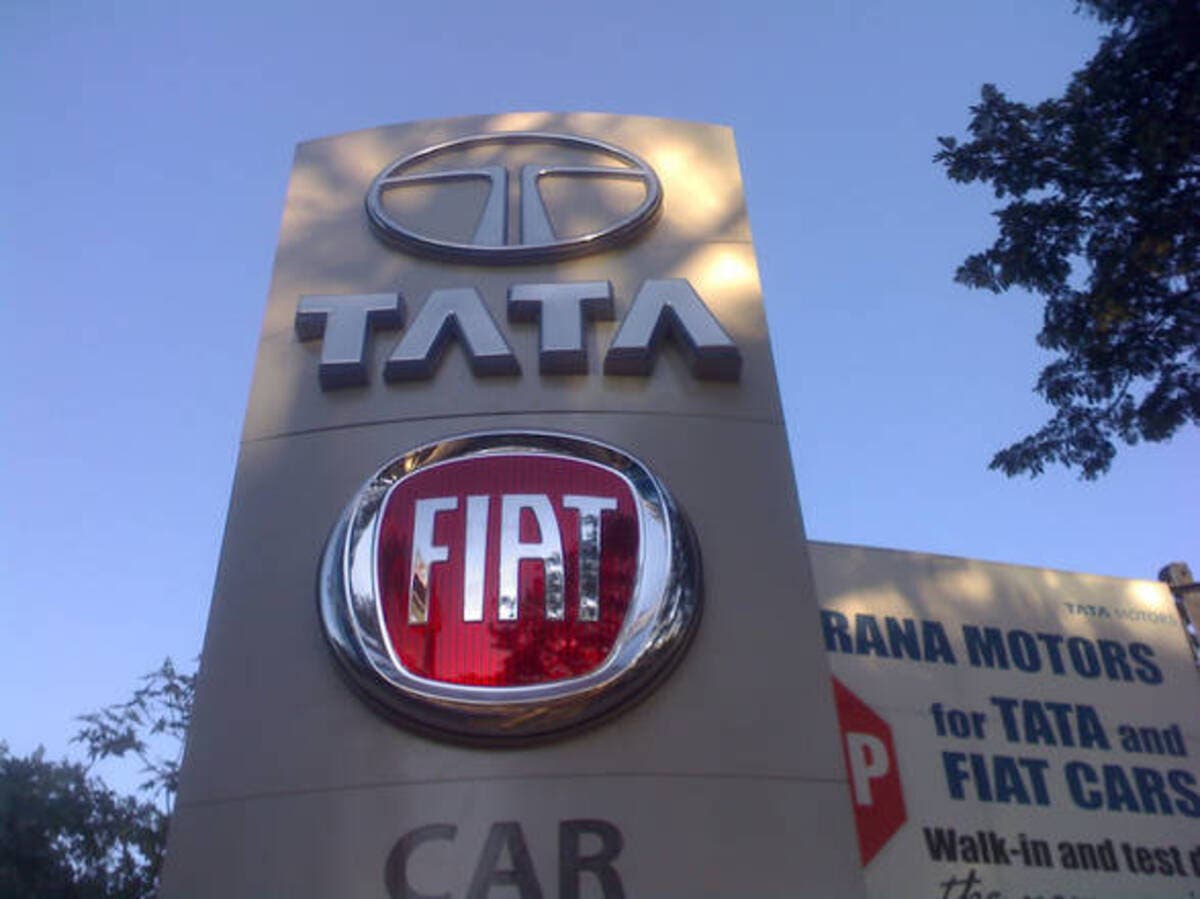
Stellantis just signed a memorandum of understanding with Tata Motors Passenger Vehicles to deepen cooperation on manufacturing, engineering, and supply chain operations in India. The timing feels almost therapeutic. A reminder that somewhere on this planet, the automaker still knows how to build functional relationships that don’t end in multi-billion-dollar write-downs.
The new MoU celebrates twenty years of collaboration and aims to identify additional areas of joint activity in India and international markets. The partnership actually works. Fiat India Automobiles Private Limited (FIAPL), their 50-50 joint venture, employs roughly 5,000 people and cranks out 222,000 vehicles annually from a facility that has produced more than 1.37 million units since inception. Those aren’t projections or shareholder fantasies. They’re actual vehicles that actual customers actually bought.
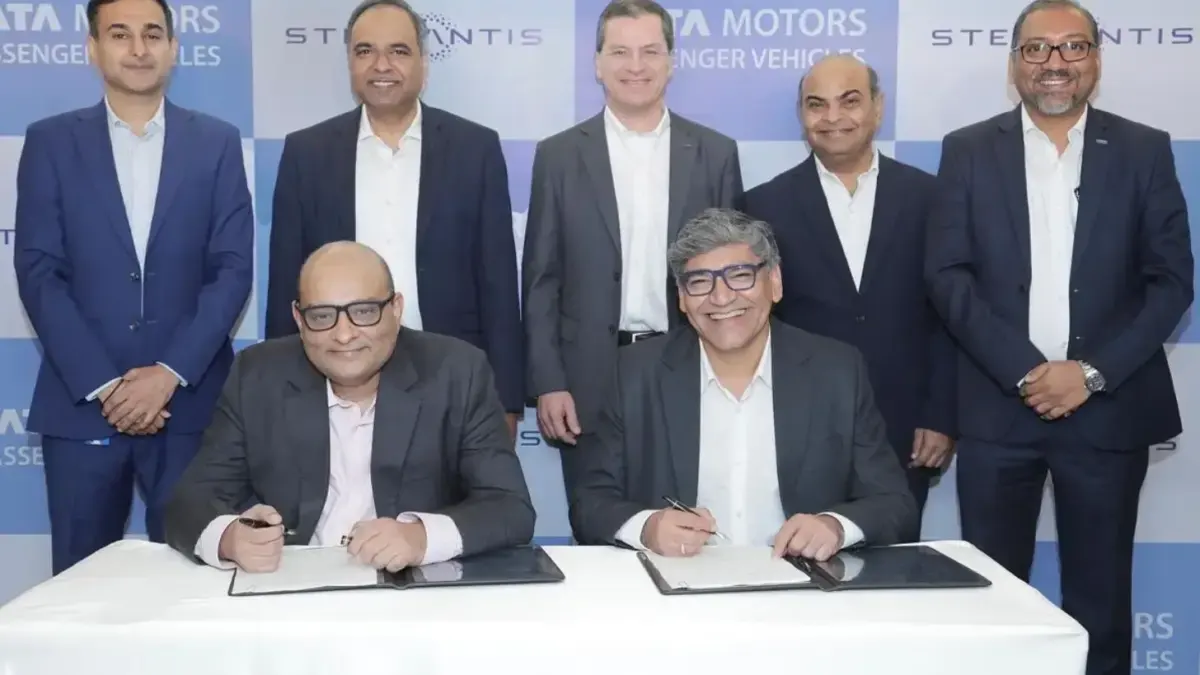
Shailesh Chandra, Managing Director and CEO of Tata Motors Passenger Vehicles, delivered the kind of statement executives dream about making: “Our partnership with Stellantis through FIAPL reflects the strength of a longstanding collaboration built on trust, shared values, and a common vision”.
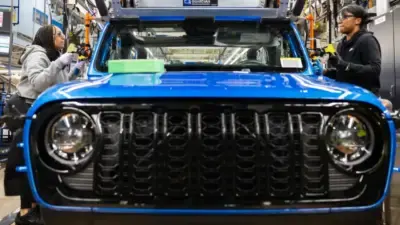
The FIAPL plant currently produces four Jeep models alongside three Tata Motors vehicles, combining Stellantis’s global capabilities with Tata’s domestic expertise. Gregoire Olivier, Stellantis’s Chief Operating Officer for Asia Pacific, noted that “FIAPL is a testament to what two strong organizations can achieve together”, which reads differently when you remember the company just announced $26.32 billion in restructuring charges and EV strategy adjustments.
Meanwhile, Tata’s Jaguar Land Rover subsidiary started testing drone-based inspections at its electric propulsion manufacturing center in Wolverhampton, deploying Flyability’s Elios 3 drone to reach elevated and confined spaces. Maintenance teams can now inspect equipment from the ground rather than using elevated platforms, because apparently someone in the Tata ecosystem still believes in operational efficiency.
The contrast sharpens: while Stellantis bleeds cash in markets where politicians dictate product strategy, its Indian partnership quietly demonstrates what happens when manufacturers focus on building vehicles people want to buy. FIAPL won’t save Stellantis from its larger catastrophe, but it does provide a blueprint the company somehow forgot existed.