Competitive pressure from Chinese manufacturers is pushing Stellantis to reconsider the entire architecture of its electric strategy in Europe, with implications that go beyond the product range and directly affect the industrial sustainability of the transition. Emanuele Cappellano, the group’s head of Europe, told Automotive News that the current level of competition is making it increasingly difficult to maintain the pace of investment needed to update technologies and models, in a context where the price war is gradually eroding margins.
Stellantis warns that competing with China is making EV investments harder to sustain
Reducing investment would compromise the group’s ability to innovate, but continuing to invest at the same pace forces Stellantis into a direct confrontation with Chinese rivals that can rely on more integrated supply chains, structurally lower costs and more favourable conditions in their domestic market.
Stellantis also intends to address this gap through solutions that have so far been considered politically delicate, such as the possible sharing of European plants with Chinese manufacturers. This option could improve factory utilisation and help the group absorb expertise in production efficiency, but it would inevitably open a debate on Europe’s industrial sovereignty.
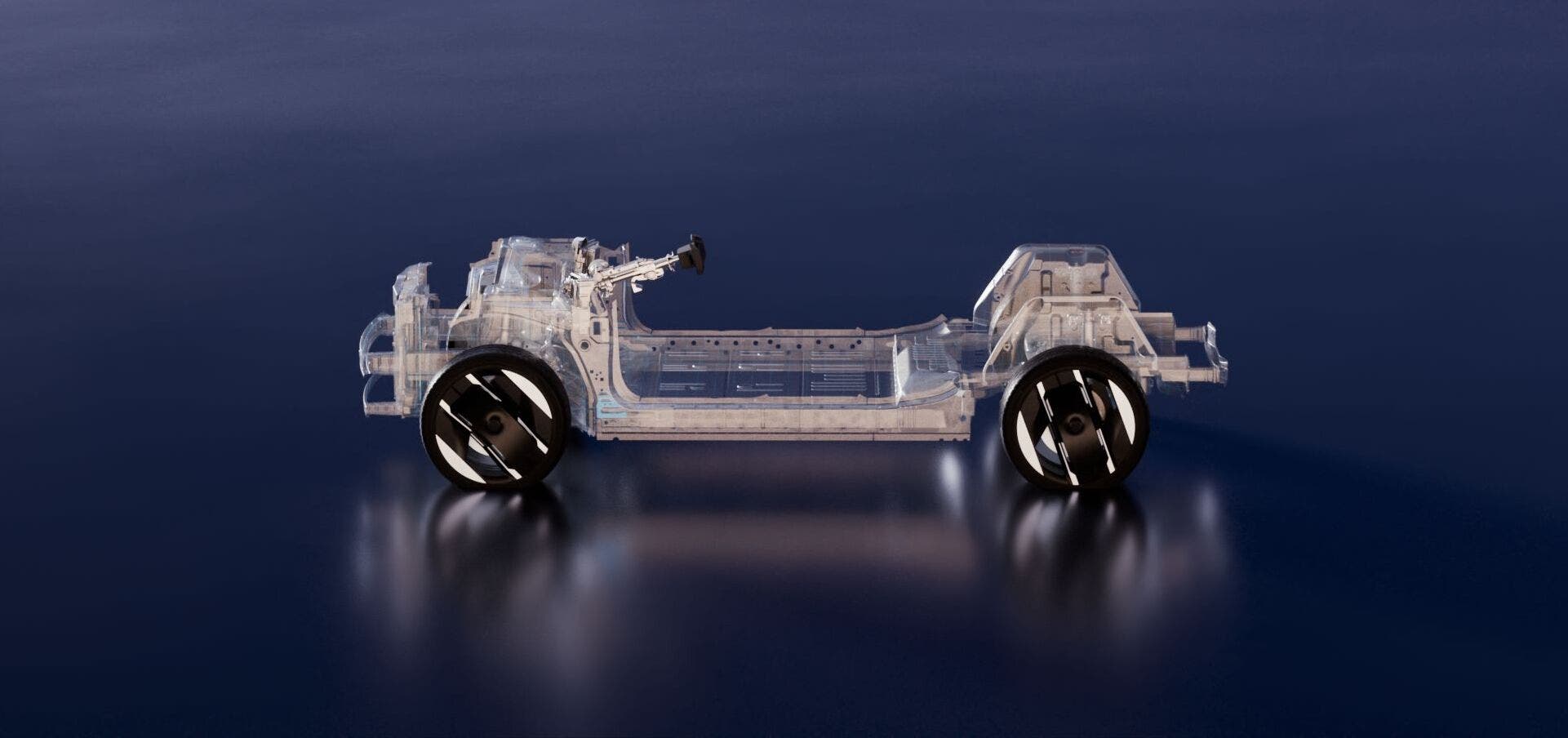
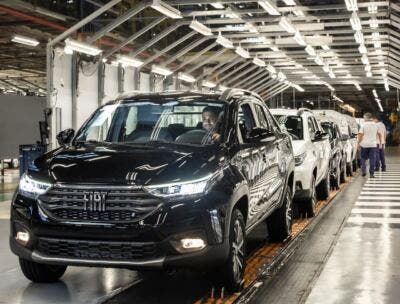
The product response focuses on the part of the market where China has built its most significant advantage: affordable electric cars. Stellantis aims to reduce the price gap between EVs and equivalent combustion models, currently estimated at around 20%, through vehicles such as the new Fiat Pandina, which is expected to move close to the €15,000 threshold. The STLA One platform should play a central role in this direction, simplifying development and reducing industrial costs at scale.
An important contribution could also come from the collaboration with Leapmotor, the Chinese partner Stellantis has already chosen to accelerate its presence in the lower-cost EV segment, using development times that are faster than traditional European standards.
With a 13.7% share of the continental electric car market and the goal of tripling it by 2030, the group now has to compete with China precisely on pricing, without sacrificing technological investment or the production future of its European plants.