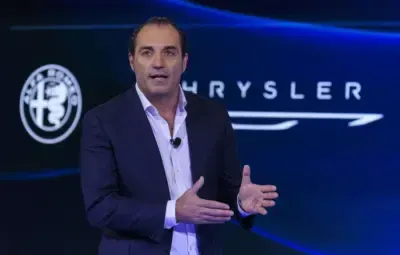
Stellantis is preparing a new industrial phase built around common platforms, shared software and more focused investments. At the same time, the group promises that technical sharing will not flatten the identity of its brands. Emanuele Cappellano, Stellantis’ head of Europe, made this clear, explaining that future models will have stronger identities rather than becoming less recognizable. The strategy aims to reduce costs and development times without turning Alfa Romeo, Jeep, Peugeot, Opel or Fiat into different versions of the same product.
Stellantis bets on STLA One and shared platforms, but promises separate identities for Alfa Romeo, Jeep, Peugeot and Fiat

The group’s industrial plan is worth around €60 billion and includes 110 new and updated models over the coming years. A significant part of the resources will go to the four brands defined as global: Fiat, Jeep, Peugeot and Ram. At the centre of this new phase sits the STLA One platform, an architecture that will allow Stellantis to share components, electronic systems, onboard software, the STLA Brain operating system and advanced solutions such as steer-by-wire. This platform will support many of the group’s future models.
Peugeot will be the first brand to use STLA One in the B and C segments, but Cappellano clarified that this sequence does not imply a hierarchy. The issue does not concern ranking brands by importance, but allocating capital according to efficiency and expected returns.
Speaking to Autocar, the manager stressed that the distinction between global, regional and niche brands does not represent a value judgement. Instead, it defines how Stellantis allocates resources, allowing regional brands to keep a specific role without pushing them down the group’s internal scale of relevance. The main risk remains overlap, since Stellantis brings together carmakers that often operate in the same segments. Differentiation will therefore need to come through design, driving character and the communication language of each brand.
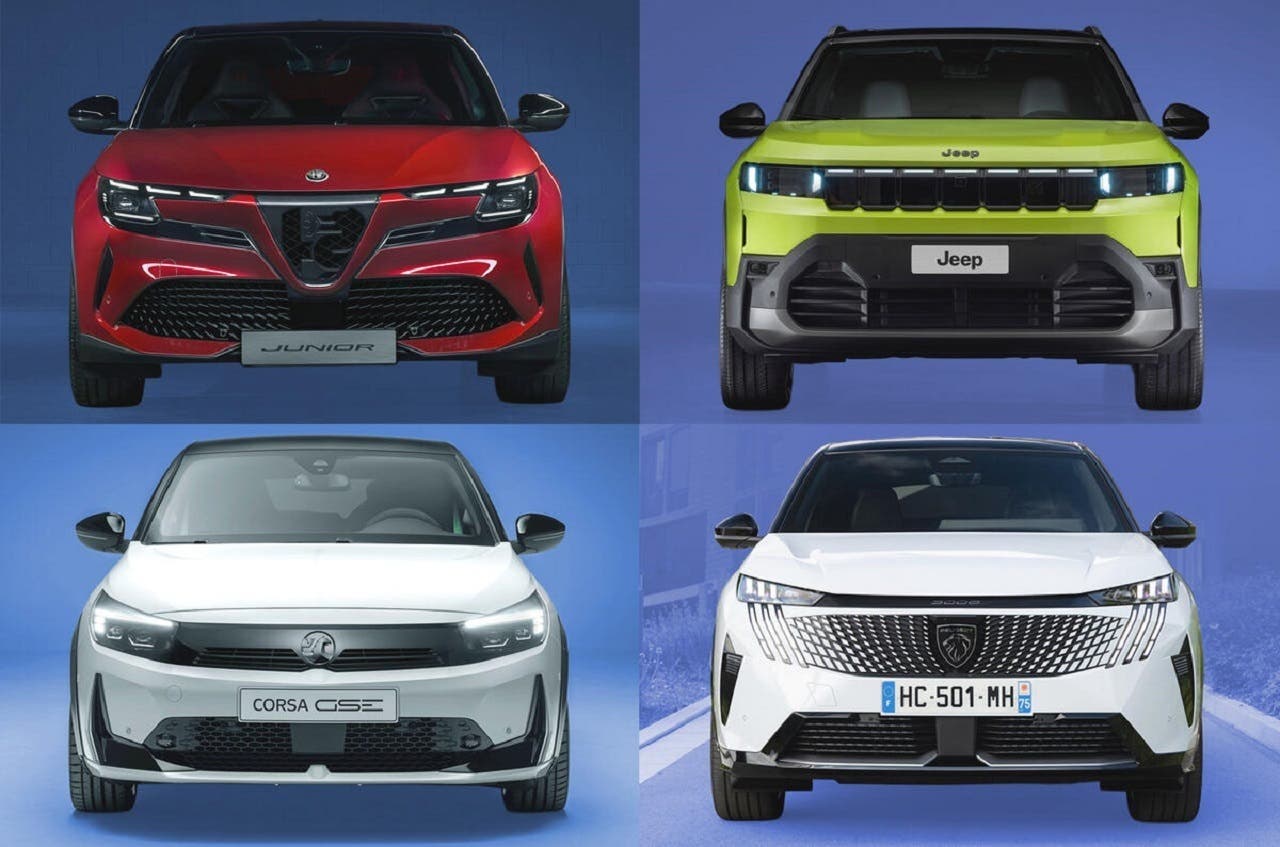
Alfa Romeo will need to continue expressing sportiness and driving pleasure, Jeep will maintain its off-road vocation, Peugeot will keep a European technology-focused approach, while Opel, Fiat and the group’s other brands will work on a language consistent with their own history and target customers. This structure should allow Stellantis to cut development costs thanks to a common base, while brand-specific investments will need to make every car credible within its own identity.
Cappellano also clarified that STLA One will not be an evolution of the STLA Medium platform, but a completely new architecture. According to the indications emerging from the group, this step is necessary to compete in the electric and multi-energy market, where carmakers need flexible bases capable of supporting very different models. The industrial challenge of the next few years will therefore depend on Stellantis’ ability to launch cars that cost less to develop without letting technical sharing erase their character, especially at the top of the range.